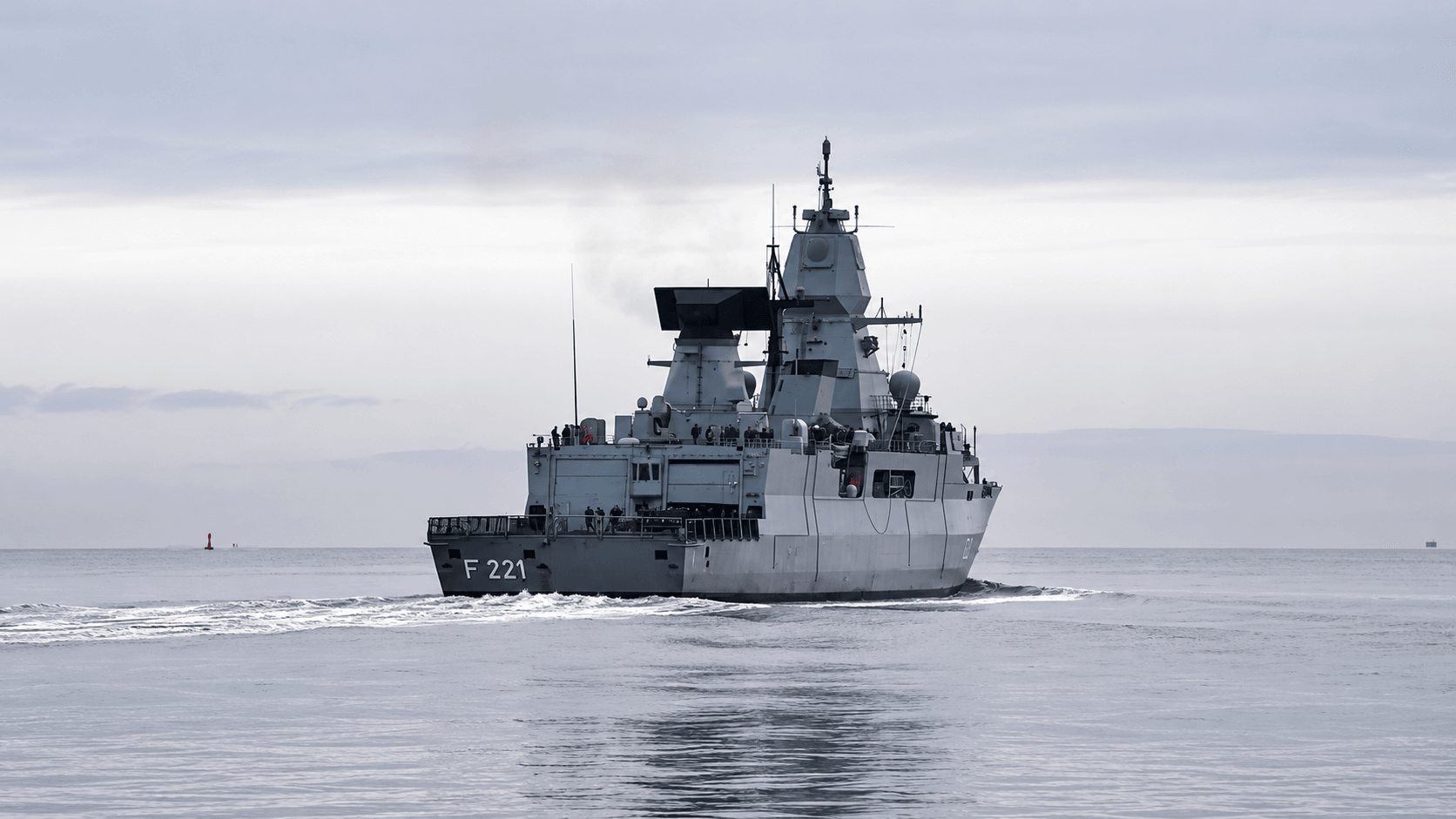
The European Union’s naval mission in the Red Sea has supported the safe transit of more than 2,390 merchant vessels since it began operations in February 2024, the mission said on Monday.
EUNAVFOR ASPIDES said it had provided close protection to more than 720 ships during the same period, while maintaining what it described as a defensive presence in one of the world’s most strategically important maritime regions.
The figures cover the mission’s work since its launch amid a series of attacks on commercial shipping in the Red Sea and nearby waters. The EU established ASPIDES as a defensive maritime security operation intended to protect freedom of navigation and help commercial vessels transit the region safely.
The operation’s mandate allows its forces to accompany vessels, maintain maritime situational awareness and protect ships against attacks at sea. The mission is not authorised to conduct strikes on land.
The EU Council extended ASPIDES until 28 February 2027 in February, allocating nearly €15 million for the operation’s common costs between March 2026 and February 2027. The Council said the mission was responding to ongoing threats against merchant and commercial vessels and remained focused on safeguarding freedom of navigation.
The EU later updated the mission’s mandate in March to include gathering and sharing information on suspicious activity involving critical submarine infrastructure, training Djiboutian maritime forces and cooperating with the Yemeni Coast Guard.
ASPIDES operates across a wider area that includes the Bab al-Mandab Strait and international waters in the Red Sea, the Gulf of Aden, the Arabian Sea, the Gulf of Oman and the Persian Gulf. Its headquarters are in Larissa, Greece.
The latest figures mark an increase from the more than 1,960 merchant vessels supported and over 650 ships protected reported by the mission in May.


