
Il white paper annuale sulla difesa del Giappone, approvato dal Gabinetto, descrive la Cina come la sfida strategica più significativa per il paese, citando la crescente preoccupazione per l'aumento della presenza delle forze navali cinesi nell'Oceano Pacifico.
Il documento di 598 pagine delinea le priorità militari del Giappone e analizza gli sviluppi della sicurezza regionale. Include anche caratteristiche di facile lettura, come illustrazioni e link video multilingue, mentre il governo cerca il sostegno pubblico per un aumento della spesa per la difesa e del reclutamento militare.
Il rapporto sottolinea l'importanza di sviluppare sistemi da combattimento senza pilota giapponesi, in particolare per la difesa costiera, insieme a capacità di missili a lungo raggio. Nota che molti paesi stanno accelerando lo sviluppo di droni, rendendo l'adattamento a nuovi metodi di guerra una necessità strategica.
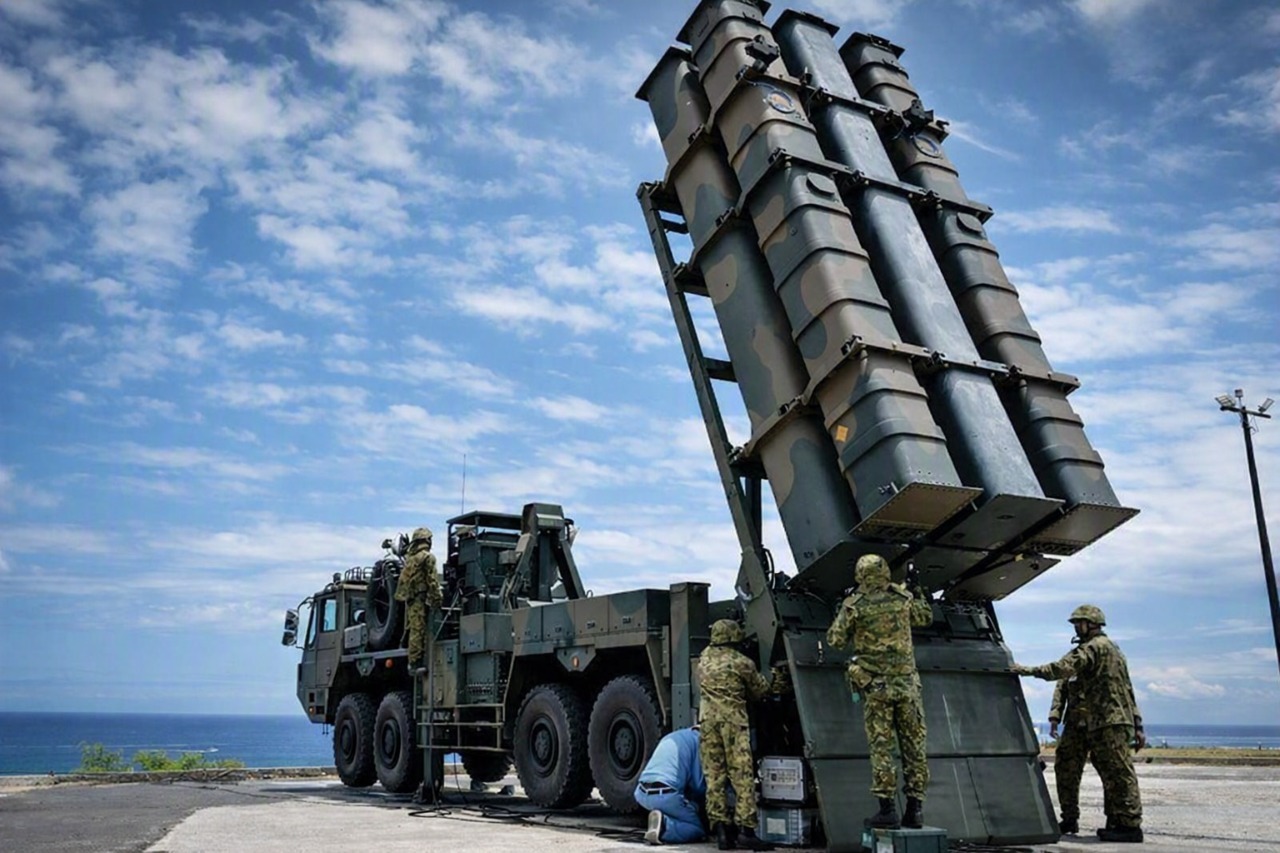
All'inizio di quest'anno, l'agenzia giapponese per l'acquisizione della difesa ha selezionato quattro aziende su 38 candidati per partecipare a un programma accelerato di sviluppo di droni. I prototipi sono programmati per essere testati dalla marina giapponese prima di una selezione finale.
Diverse aziende giapponesi stanno inoltre ampliando la ricerca sui droni. Toshiba ha recentemente annunciato piani per sviluppare congiuntamente droni da combattimento con la startup Prodrone, riflettendo la spinta più ampia di Tokyo a rafforzare la tecnologia della difesa interna.
Le autorità ritengono che i sistemi senza pilota possano aiutare a far fronte alla riduzione della forza lavoro militare giapponese causata dall'invecchiamento e dal calo della popolazione del paese. Tuttavia, gli esperti avvertono che costruire un'industria dei droni completamente nazionale sarà difficile perché il mercato commerciale dei droni in Giappone rimane fortemente dipendente dalle importazioni cinesi.
Il documento sulla difesa evidenzia anche la crescente preoccupazione per le attività militari in espansione della Cina, comprese le maggiori operazioni navali nel Pacifico e lo sviluppo rapido delle sue capacità nucleari e missilistiche. Il Giappone ha istituito un'unità dedicata per studiare la strategia di difesa nel Pacifico e rafforzare la sua postura militare in risposta.
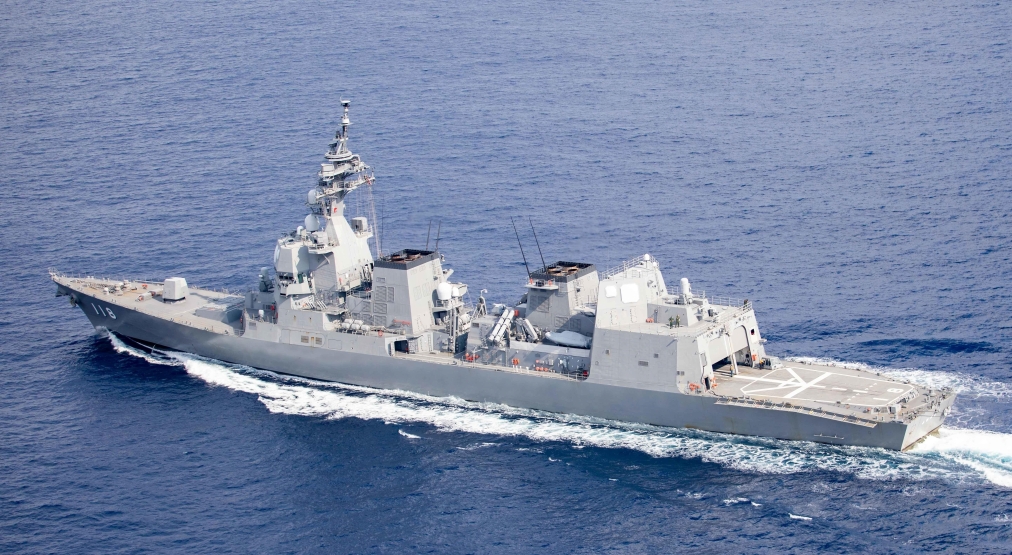
Secondo il rapporto, a dicembre scorso, durante operazioni su portaerei vicino al sud-ovest del Giappone, aerei militari cinesi hanno diretto sistemi radar contro aerei giapponesi, mentre a giugno due portaerei cinesi sono state osservate vicino a Iwo Jima, aumentando ulteriormente le preoccupazioni di sicurezza a Tokyo.
Il documento identifica anche la cooperazione militare più stretta tra Cina e Russia, inclusi voli congiunti di bombardieri e operazioni navali vicino al Giappone, come una seria preoccupazione per la sicurezza nazionale. Il programma missilistico avanzato della Corea del Nord, comprese armi ipersoniche e l'espansione dei legami militari con la Russia, è descritto come un'altra sfida urgente.
Per affrontare queste minacce, il Giappone sta aumentando gli investimenti nella produzione di difesa, nella ricerca scientifica e nelle tecnologie a duplice uso. Sebbene molte aziende giapponesi consolidate abbiano tradizionalmente evitato la produzione di armi, un numero crescente di startup sta entrando nel settore della difesa.
I recenti cambiamenti politici che consentono l'esportazione di equipaggiamenti letali per la difesa dovrebbero rafforzare ulteriormente l'industria della difesa giapponese. Il paese ha già firmato importanti accordi di difesa, inclusa la cooperazione per lo sviluppo congiunto e il trasferimento di 11 fregate classe Mogami all'Australia, mentre continuano le discussioni su una cooperazione simile con la Nuova Zelanda e il trasferimento di cacciatorpediniere usati alle Filippine.
Ancora nessun commento. Scrivi tu il primo.