
L'Arabia Saudita sta guidando un'iniziativa internazionale per istituire un'alleanza multinazionale di difesa marittima volta a migliorare la sicurezza nel Mar Rosso, con il sostegno di 14 paesi e la partecipazione di rappresentanti di 43 nazioni e dell'Unione Europea.
L'iniziativa è stata discussa durante un incontro internazionale ospitato a Riyadh, dove i paesi partecipanti hanno esaminato il quadro per la creazione della proposta alleanza.
Tra i paesi che sostengono l'iniziativa vi sono Türkiye, Pakistan, Egitto, Sudan e Gibuti, che, insieme ad altre nazioni, hanno emesso una dichiarazione congiunta a favore dell'istituzione dell'alleanza di difesa marittima.
L'Arabia Saudita ospiterà la sede dell'alleanza
Il Ministero della Difesa saudita ha dichiarato che l'incontro si è concentrato sugli accordi fondativi della proposta alleanza, incluso il ruolo dell'Arabia Saudita come paese fondatore e guida e come sede dell'alleanza.
Il ministero ha affermato che ciò riflette la fiducia internazionale nel ruolo dell'Arabia Saudita nel rafforzare la sicurezza marittima collettiva.
Ha aggiunto che all'incontro hanno partecipato capi di stato maggiore e rappresentanti di 43 paesi, oltre alla delegazione dell'Unione Europea in Arabia Saudita, su un totale di 51 paesi e organizzazioni invitati a partecipare sia in presenza che virtualmente.
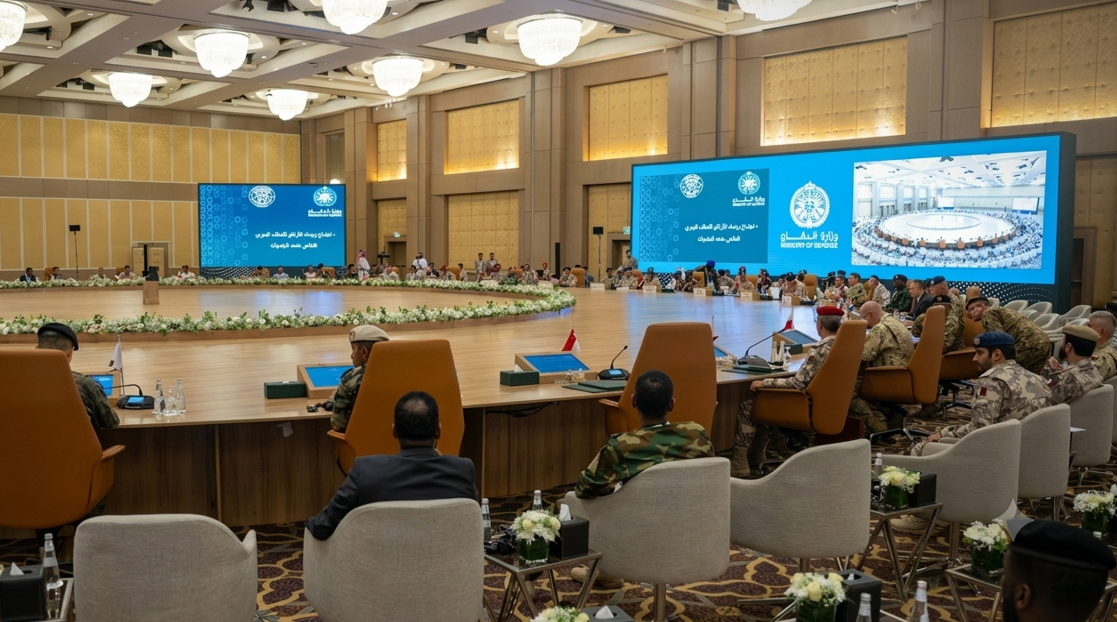
Secondo il ministero, l'alleanza mira a migliorare la cooperazione in materia di difesa tra gli stati membri, salvaguardare la libertà di navigazione e il commercio globale, garantire le rotte commerciali internazionali e le forniture energetiche, e proteggere gli interessi marittimi condivisi nel Mar Rosso, nello Stretto di Bab al-Mandab e nel Golfo di Aden.
Il ministero ha inoltre annunciato che 14 paesi hanno emesso una dichiarazione congiunta a sostegno del progetto, tra cui Türkiye, Pakistan, Egitto, Sudan e Gibuti.
Tuttavia, l'elenco dei firmatari non includeva Oman né gli Emirati Arabi Uniti tra i paesi del Consiglio di Cooperazione del Golfo.
L'alleanza nasce in un contesto di crescenti tensioni nel Mar Rosso
L'annuncio saudita arriva mentre le tensioni di sicurezza continuano a crescere nel Mar Rosso a seguito degli attacchi del movimento Houthi yemenita che hanno interrotto l'attività di navigazione lungo una delle rotte commerciali più trafficate al mondo, sollevando preoccupazioni sul commercio internazionale e sui mercati energetici.
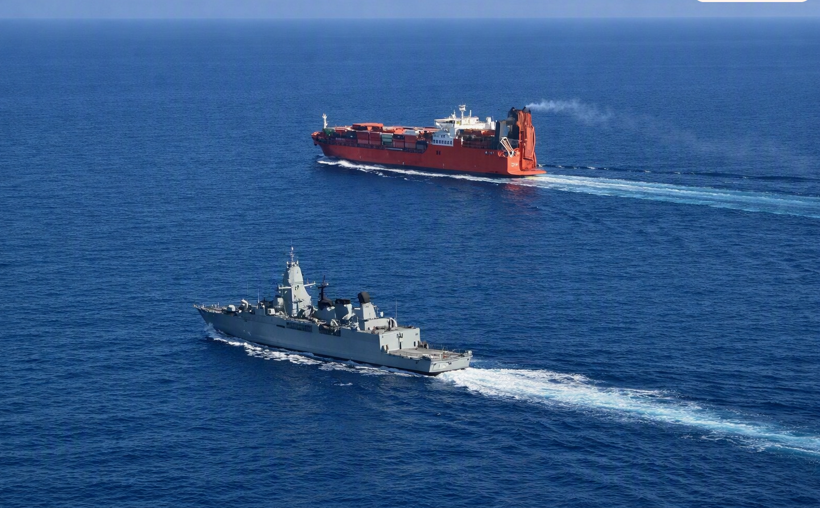
Gli Houthi hanno annunciato il 20 luglio di aver imposto un blocco marittimo all'Arabia Saudita nel Mar Rosso e in seguito si sono assunti la responsabilità di una serie di attacchi contro navi legate al regno.
L'Arabia Saudita ha risposto con raid aerei mirati a quelle che ha descritto come strutture militari Houthi nella provincia yemenita di Hodeidah utilizzate per minacciare la navigazione commerciale.
Lo Stretto di Bab al-Mandab, che collega il Mar Rosso con il Golfo di Aden e l'Oceano Indiano, è una delle rotte marittime più importanti al mondo per il trasporto di merci e spedizioni di petrolio.
Gli attacchi recenti nella zona hanno aumentato le preoccupazioni sulla sicurezza marittima e contribuito alla volatilità nei mercati energetici globali.
Sforzi internazionali per garantire le rotte marittime
L'iniziativa saudita si inserisce anche in un più ampio contesto di sforzi internazionali per proteggere le rotte di navigazione globali.
Nel 2024, l'Unione Europea ha lanciato una missione navale nel Mar Rosso volta ad aiutare a ripristinare e salvaguardare la libertà di navigazione dopo che navi commerciali sono state attaccate dal movimento Houthi yemenita.
La proposta alleanza guidata dall'Arabia Saudita cerca di rafforzare il coordinamento tra i paesi partecipanti e migliorare gli sforzi collettivi per proteggere le vie d'acqua strategiche nella regione.
Ancora nessun commento. Scrivi tu il primo.