Why Have Chinese Air Patrols Around Taiwan Declined?
The number of Chinese military aircraft detected near Taiwan has fallen significantly this year, reaching its lowest level in three years. The decline has raised questions over whether Beijing is adjusting its cross-strait military strategy.
The first half of this year saw a more than 50% decline in the number of Chinese military fighter aircraft detected near Taiwan compared with the previous year, falling to 1,334 aircraft. This marked the lowest level in three years and the weakest operational pace since 2023, according to data from Taiwan’s Ministry of National Defense.
According to the ministry, the number of days when Taiwan detected no Chinese military aircraft reached a new record. From January through June 30 of this year, there were 38 days without any detected Chinese military aircraft, compared with only six days in the first half of last year and eight days in the second half of the year.
Chinese air activity around Taiwan peaked in 2025, when the number of Chinese military aircraft sorties near the island reached an annual record of 5,461 flights. The number of sorties crossing the median line of the Taiwan Strait also hit a record high of 3,782 flights. This led some analysts to suggest that the Chinese military could seize Taiwan by 2027, the deadline for the Chinese military’s “centenary goals.”
The shift represents a sharp contrast with August 2022, when then-US House Speaker Nancy Pelosi’s visit to Taipei prompted Beijing to launch large-scale live-fire military exercises around Taiwan.
Those drills established a new pattern of near-daily military activity, with Chinese fighter jets and later warships operating close to the island. This continued until the beginning of this year before witnessing a noticeable decline.
The reduction has raised questions over whether Beijing is changing its military strategy across the Taiwan Strait by cutting air missions by half while increasing coast guard patrols in waters near the island.
Chinese Strategic Adjustments Around Taiwan
Chinese media outlets said the reduction in Chinese fighter jet sorties over the Taiwan Strait was simply due to the military entering a new phase of training. They said that in response to the current situation in the Taiwan Strait, the Chinese military had adjusted its deployment.
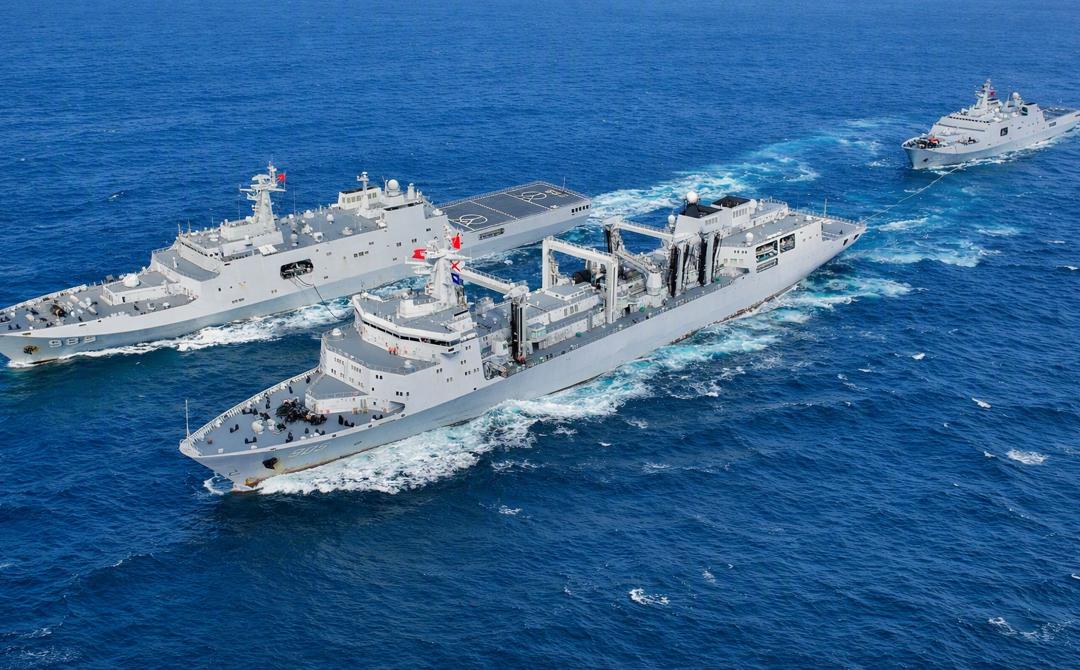
During this phase, more exercises are being conducted in distant waters rather than necessarily around the Taiwan Strait. The scope of training has expanded to the western Pacific Ocean, while still covering the Taiwan Strait and the surrounding maritime and airspace areas, which remains the objective.
While the number of Chinese military aircraft appearing around Taiwan has declined, the number of Chinese coast guard vessels and research ships has increased.
The South China Morning Post reported that while the number of Chinese fighter aircraft operating around Taiwan has decreased, Chinese coast guard vessels and research ships have become more active. The Chinese coast guard was previously viewed as a secondary force, but it now plays a more effective role in patrols around Taiwan.
This approach aims to reduce the perceived military nature of China’s activities around the strait.
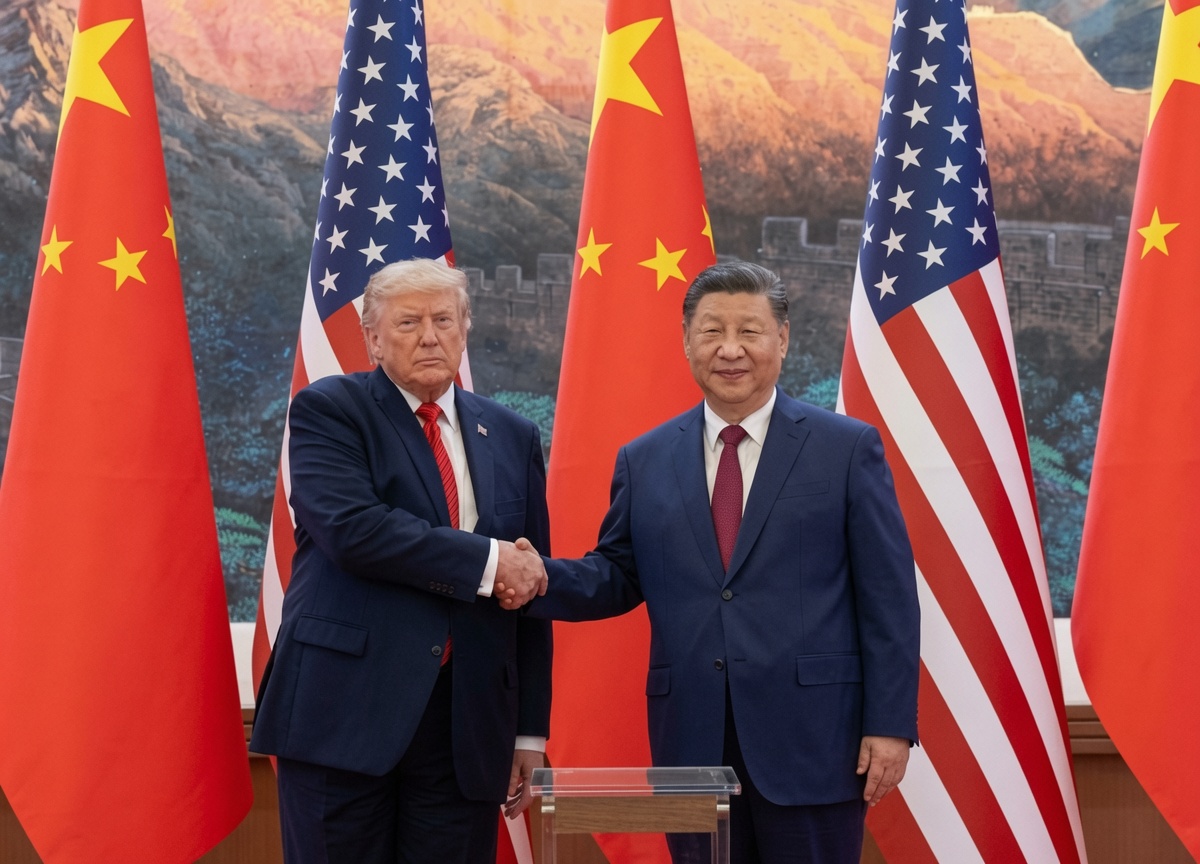
However, observers attributed the decline in Chinese military activity around Taiwan to the summit held in Beijing last May between Chinese President Xi Jinping and US President Donald Trump. At the time, both sides strongly promoted agreements related to strategic stability in bilateral relations and efforts to ease tensions across various fronts and disputed issues, particularly Taiwan.
Shared Chinese-American Interests
Commenting on the reduction in Chinese military activity, Joe Fang, a fellow researcher at Asia University in Taiwan, told Al-Araby Al-Jadeed that Chinese military exercises around Taiwan have long been linked to Beijing’s relationship with Washington. These drills, he said, have served as an indicator of whether relations between the two sides were deteriorating or improving.
“For example, Pelosi’s visit to Taipei marked a turning point in the pace and intensity of Chinese military exercises, which only eased once preparations began for the Trump-Xi summit in May. At that time, there was an implicit agreement to manage disagreements away from provocations and political disputes between the two sides,” Fang said.
Fang noted that military de-escalation began before the first Trump-Xi summit this year and is expected to continue as preparations are made for a second summit in the United States in September.
He said there appears to be a shared interest in improving bilateral relations given current circumstances, which include the war involving Iran as well as the Ukraine crisis.
“Beijing also wants to deliberately avoid creating any major reason for the United States and its allies to increase military support for Taipei, amid discussions over US military deals and arms sales to Taiwan,” he added.
Fang said that all these factors are pushing toward further calming of tensions, reducing escalation, and moving away from threatening rhetoric and provocative Chinese military actions.
Beijing considers Taiwan, which has a self-governing system, to be an inseparable part of Chinese territory and has repeatedly said it will seek to reunify with the island, even if it must use force.
Most countries around the world, including the United States, do not recognize Taiwan as an independent state. Washington has previously opposed any unilateral change to the status quo and has expressed its commitment to defending the island, while remaining Taiwan’s main supplier of weapons.

No comments yet. Be the first to share your thoughts.