What Does Life Look Like in the World’s Safest and Most Stable Countries?
The world today is witnessing a level of conflict not seen since the end of World War II. This has led people in countries such as Iceland, New Zealand, and others to speak about the qualities that make their nations among the safest and most stable in the world.
The latest edition of the Global Peace Index indicates that the world has become less peaceful compared to last year, with overall peace levels declining in 99 countries, marking a 12th consecutive year of deterioration. Despite this worsening global landscape, a small group of countries continues to maintain top positions in the ranking.
Steve Killelea, founder and executive chairman of the Institute for Economics and Peace—the organization that launched the index in 2007—says: “Despite this catastrophic decline, it has not really affected the countries at the top of the rankings.”
The index ranks 163 countries based on 23 indicators, ranging from military expenditure and ongoing conflicts to homicide rates and perceived safety. The highest-ranked countries are characterized by low levels of violence, effective institutions, strong social trust, good relations with neighboring countries, and high standards of living.
We conducted interviews with residents of the five safest countries in the world to understand how this sense of security shapes daily life, the factors that sustain it, and how travelers can experience some of the calm and stability these countries enjoy.
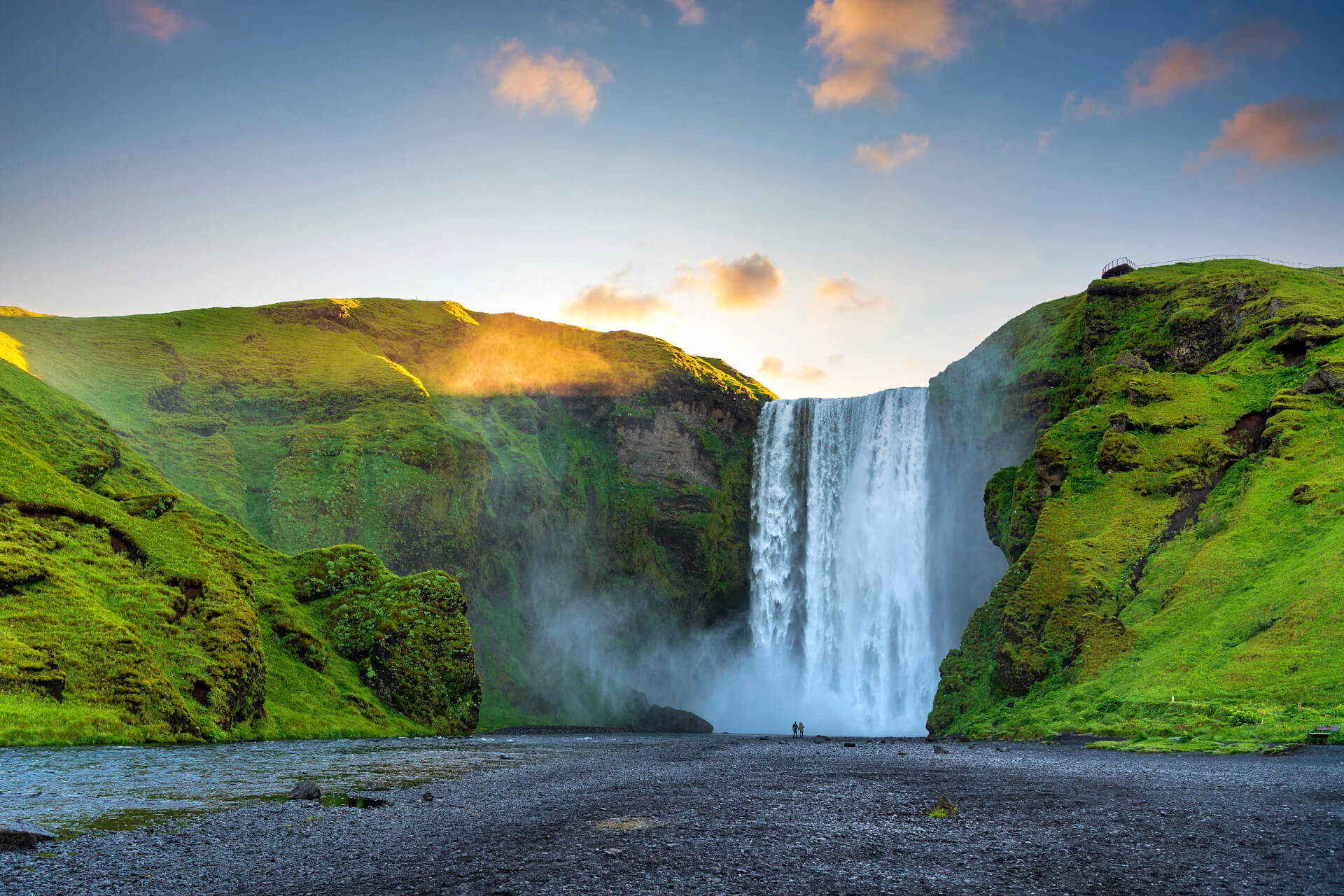
Iceland
Iceland has held the top position in the Global Peace Index since 2008, making it the world’s most peaceful country for the 19th consecutive year. It recorded a 2% improvement in 2026, driven by a notable decline in violent protests, and continues to score highly in safety, low levels of conflict, and minimal reliance on military force.
Ódný Arnarðóttir, head of “Visit Iceland,” says that peace in the country “is present in everything around us in nature, but it is also a conscious choice deeply rooted in our close-knit communities.”
She adds that this reality is based on a strong commitment to values of equality, particularly gender equality, where Iceland consistently ranks among the top globally, as well as high-quality public services and widespread use of renewable energy.
Iceland has maintained its position at the top of the Global Peace Index since 2008 and remains the safest country in the world for the 19th consecutive year. It recorded a 2% improvement in 2026, supported by a noticeable decline in violent demonstrations, while continuing to achieve strong results in safety indicators, low conflict levels, and minimal reliance on military approaches.
Ódný Arnarðóttir, head of “Visit Iceland,” says that peace in the country “is present in everything around us in nature, but it is also a conscious choice deeply rooted in our close-knit communities.”
She adds that this reality is based on a strong commitment to values of equality, particularly gender equality, in which Iceland consistently ranks at the top globally, in addition to high-quality public services and widespread reliance on renewable energy.
She also notes that the country’s geographical isolation contributes to this reality. Eyrún Anita Gísladóttir, marketing director at Hotel Ranga, says: “Iceland’s remote location makes it less involved in global tensions, and its vast plains, towering mountains, clean air, and abundant fresh water form essential pillars of quality of life.”
Arnarðóttir advises visitors seeking a sense of calm in Iceland to slow down their travel pace and spend more time in nature, emphasizing that geothermal bathing is an essential experience. The country has more than 120 pools and hot springs, ranging from luxury resorts to local facilities used year-round by residents.
She notes that the feeling of calm in Iceland is closely linked to well-being, whether through geothermal bathing, connecting with nature, or simply finding space away from the noise of modern life.
She also encourages visitors to explore beyond the main tourist sites, noting that there are more than 220 museums across the country, including the National Museum in the capital and the Icelandic Sea Monster Museum in the Westfjords.
“I love our unique museums,” she says. “They preserve local stories and traditions and encourage visitors to discover different sides of Iceland.”
New Zealand
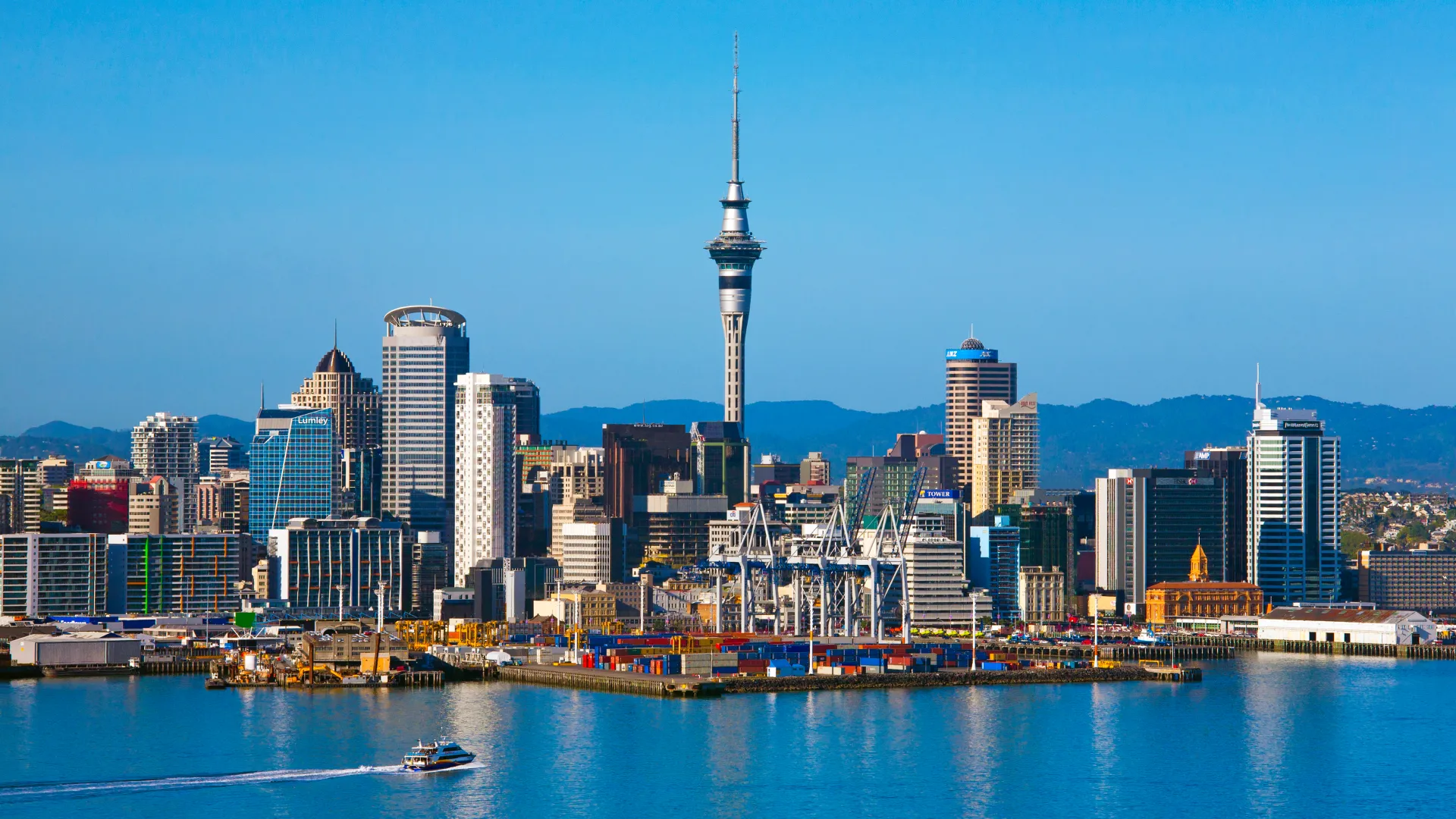
Access to nature is a defining feature of life in New Zealand’s cities and towns.
New Zealand ranks second on the Global Peace Index, rising from third place in 2025. It is the most peaceful country in the Asia-Pacific region and recorded the lowest rate of ongoing conflicts in the area. This improvement is mainly attributed to a decline in arms imports, while the country continues to maintain its position among the world’s safest nations and those least reliant on military force.
Warwick Woodley, a New Zealand citizen and founder of “NZ Golden Visa,” says the country’s geographic isolation is one of the main reasons for its stability. He explains: “This distance from global centers of tension has largely shielded New Zealand from geopolitical complexities that draw other countries into conflicts.”
He also points to the cultural dimension, noting that New Zealanders tend to be calm, straightforward, and focused on managing their daily lives rather than engaging in disputes. He adds that safety has become such a normal part of life that many people do not even think about it, which he sees as proof of how deeply rooted security is in society. Firearms are not a common part of daily life, and gun laws became stricter following the Christchurch attack.
He says residential neighborhoods still maintain traditional social ties, where people know and care for one another. This shared sense of responsibility is especially significant in a country with a population of just five million.
Low population density also allows easy access to nature, with mountains, beaches, and hiking trails readily available. Woodley believes life in New Zealand has a calmer and more balanced rhythm compared to many larger and more crowded countries.
Switzerland
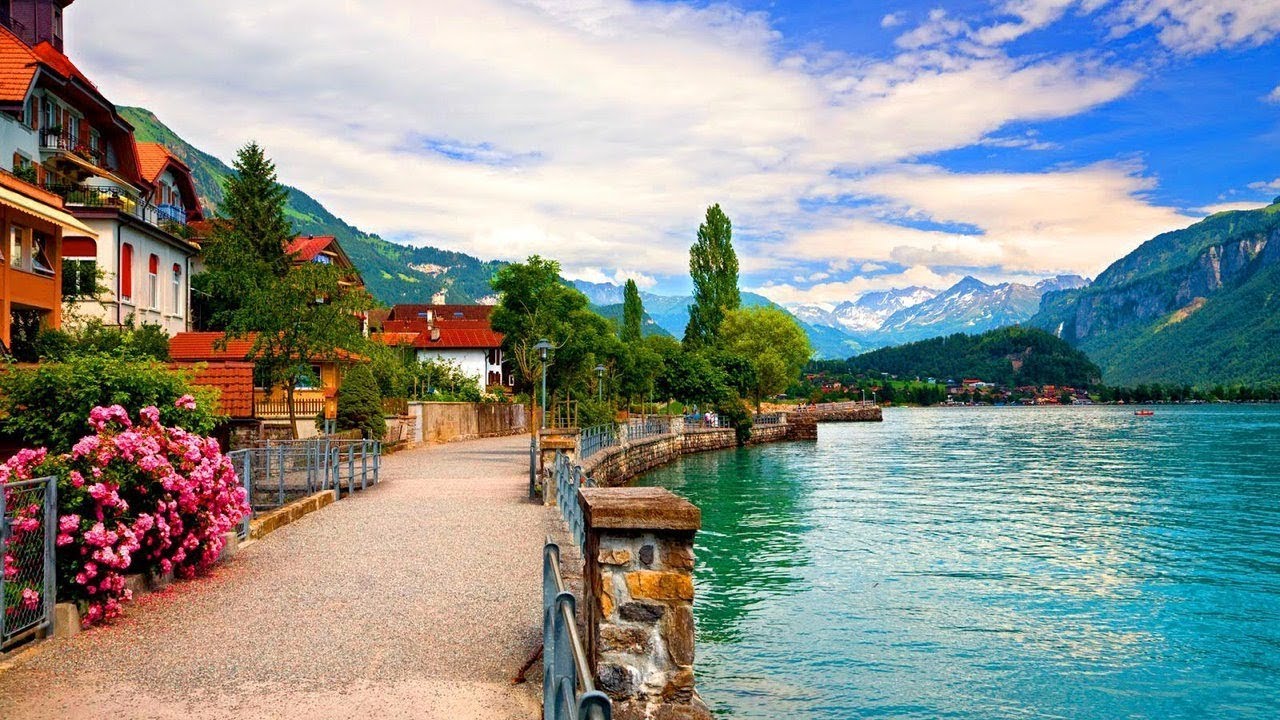
Residents point to social cohesion and willingness to compromise as key elements of Swiss life.
Switzerland moved up from fifth place last year to third place in 2026, benefiting from low crime rates and a long-standing policy of military neutrality, which has helped it remain among the safest countries in the world.
Cornelia Chui, an executive coach and writer based in Geneva, says: “People here seem willing to give others space and respect their presence.” She adds that this approach strengthens trust within society and gives individuals a sense of reassurance that others will generally act correctly and that daily life will proceed in an orderly manner.
This trust is evident in everyday situations. Chui recalls losing her wallet twice while living in Switzerland. The first time, it was returned by an unknown person via mail within days, with cash still inside. On another occasion, her bank card was found at a train station, and the person who discovered it contacted the bank directly to cancel it and prevent misuse.
She says: “These may seem like small events, but they leave a lasting impression and create a priceless sense of security.”
Chui believes the best way to experience this sense of calm is by engaging with Switzerland’s work-life balance culture, where many institutions and shops close for two hours in the afternoon, reflecting the importance placed on personal time and rest.
She also encourages visitors to appreciate the country’s cultural diversity, which includes four national languages and multiple regional identities. She adds: “Agreement is not a prerequisite for a strong society; there is a general tendency to seek compromise and practical solutions that allow everyone to move forward together. Perhaps peace is not the absence of difference, but the shared willingness to coexist constructively with it.”
Slovenia
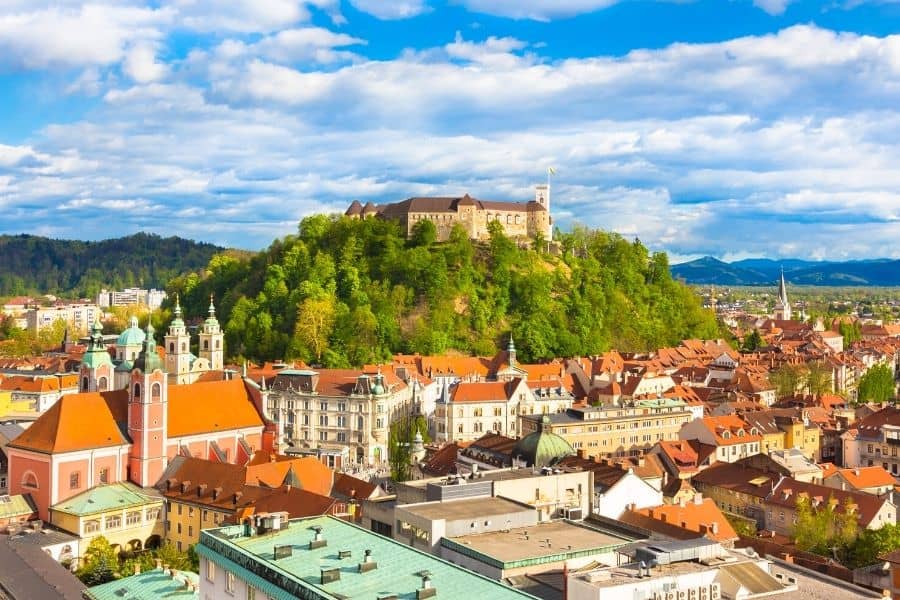
Slovenians place great importance on nature, work-life balance, and time with family and friends.
Slovenia entered the top five of the Global Peace Index for the first time in its history. This strong performance is attributed to lower military spending and high levels of safety and security, which have strengthened its position among the world’s most peaceful countries.
Jernja Zver, based in Ljubljana and head of operations for Eastern Europe at Intrepid Travel, says: “Slovenians place great importance on the local community and spend a lot of time in nature, which I believe helps reinforce our sense of calm and balance.”
She notes that she spends most weekends hiking, cycling, skiing, or spending time with friends and family. She adds that Slovenian culture strongly values work-life balance, allowing more space for meaningful human relationships and a sense of belonging.
Zver says: “In a world full of conflict and uncertainty, I feel very grateful that Slovenia is my home. I have become more appreciative of the simple things I once took for granted, and I know I can live my daily life safely and without fear.”
She believes the best way to experience Slovenia is to spend enough time exploring it rather than making a short visit to Ljubljana alone. “I recommend coming and spending a full week in the country,” she says.
Visitors can enjoy activities such as rafting on the Soča River, visiting the Vintgar Gorge waterfalls near Lake Bled, or cycling through alpine meadows and mountain landscapes.
She adds: “Whatever activity you choose in Slovenia, you will be amazed by the hospitality of the people, the beauty of the landscapes, and of course the excellent food.”
Ireland
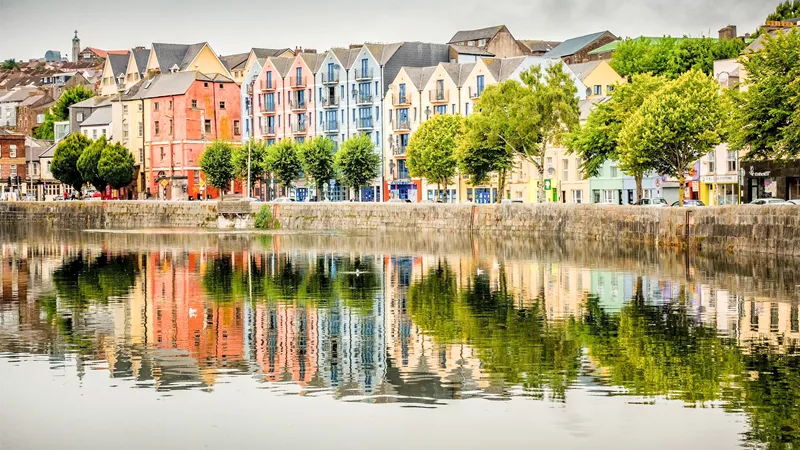
Ireland ranks fifth in the Global Peace Index, benefiting from low levels of violence and limited involvement in international conflicts.
Given its historically turbulent past, this sense of security is not taken for granted. Dee Dee Rona, founder of the sustainable hotel “Native” in West Cork, says: “Ireland’s historical experience makes its society more aware of the risks of prejudice and more conscious of the importance of generosity and welcoming others.”
She notes that the roots of Irish hospitality date back to the ancient Brehon laws that governed the country for much of the first millennium, which required food and shelter to be provided to strangers and travelers. She adds: “These values are deeply embedded in our identity.”
Ireland’s tradition of neutrality also contributes to its peaceful character, as the country does not participate in wars or military alliances. Rona says: “In a time of global instability and uncertainty, there is something comforting about living on an island in the Atlantic, enjoying music, walking trails, and reading books.”
She adds: “We appreciate this privilege in light of the suffering and injustice seen in the world, which partly reflects our own national history.”
She believes the best way to experience Ireland’s peaceful side is through nature—forest trails and coastal walks. She recommends taking a ferry to Cape Clear Island, visiting the ruins of Three Castle Head, or exploring the Drumbeg stone circle near Glandore.

No comments yet. Be the first to share your thoughts.