“We Are Living in Hell”: Why Has Summer Become a New Nightmare for Displaced Palestinians in Gaza?
Rising summer temperatures are worsening the suffering of displaced Palestinians in Gaza’s shelters, where overcrowded tents, lack of basic services, and extreme heat have turned daily life into a constant struggle.
The suffering of displaced people living in shelters across the Gaza Strip is intensifying as summer temperatures rise amid continued displacement and severe shortages of essential services.
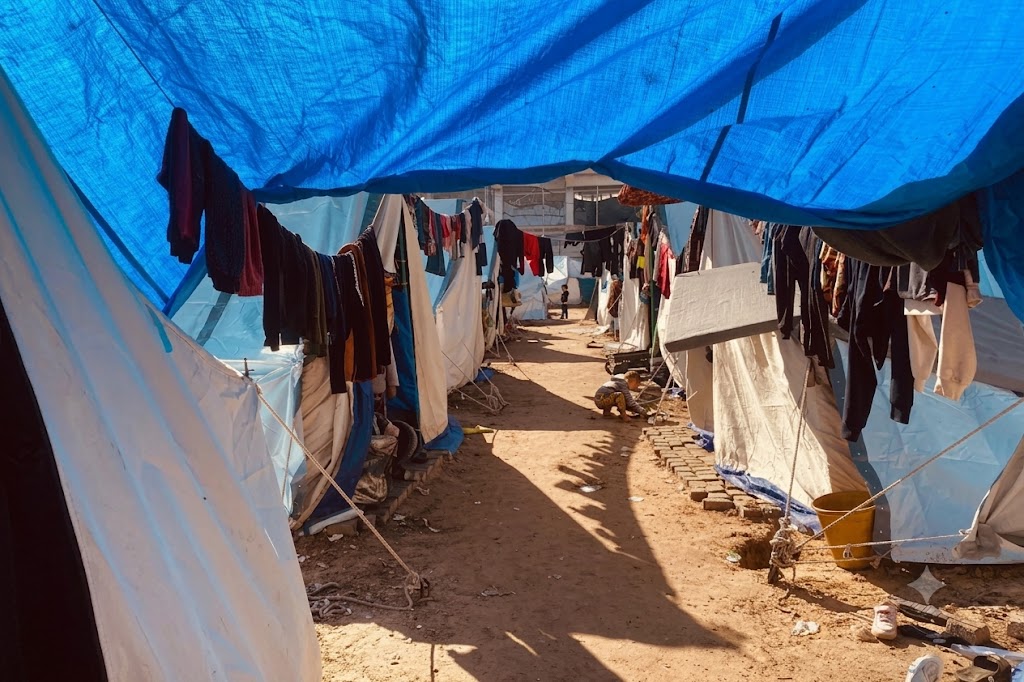
Tents that are supposed to provide basic shelter have become suffocating spaces with little protection from the heat, while residents face daily hardships caused by high temperatures, insects, rodents, and shortages of water and electricity.
Displaced residents told Al Jazeera Mubasher that their tents have become like sealed ovens that neither block the sun’s heat nor provide a livable environment, forcing many to spend long hours outside in search of fresh air despite the risks.
Elderly Woman: “We Are Living in Hell”
A 90-year-old woman described life inside the camp as “hell,” saying she suffers from chronic illnesses, including diabetes and high blood pressure, in addition to having previously undergone open-heart surgery, making it extremely difficult for her to endure the intense heat.
She explained that the extreme temperatures repeatedly worsen her health condition, forcing her to be hospitalized several times due to high blood sugar levels and exhaustion before returning again to a tent that offers her no real protection.
She also complained about the spread of rodents inside the tents, saying they frequently invade sleeping areas, along with mosquitoes and other insects. She added that worn-out plastic coverings cannot protect residents from the heat or the growing threat of pests.
The elderly woman said life inside the camp offers no sense of safety or dignity, while scenes of death and funerals have become part of daily life, with little hope of returning to normal conditions soon.
Tents Unable to Block the Sun
One displaced resident said the heat this summer has exceeded anything people experienced before, explaining that the tents do not block sunlight, forcing families to use blankets to cover openings, which only increases heat buildup instead of reducing it.
He added that residents are forced to shower several times a day to cope with the heat and store water in available containers to meet their daily needs amid unprecedented temperatures in Gaza.
He explained that the tents become unbearable whether they are closed or opened for ventilation, as they provide no effective way to reduce the heat. Sunlight enters from all directions, turning them into spaces unfit for living.
Cooking Fires Add to the Hardship
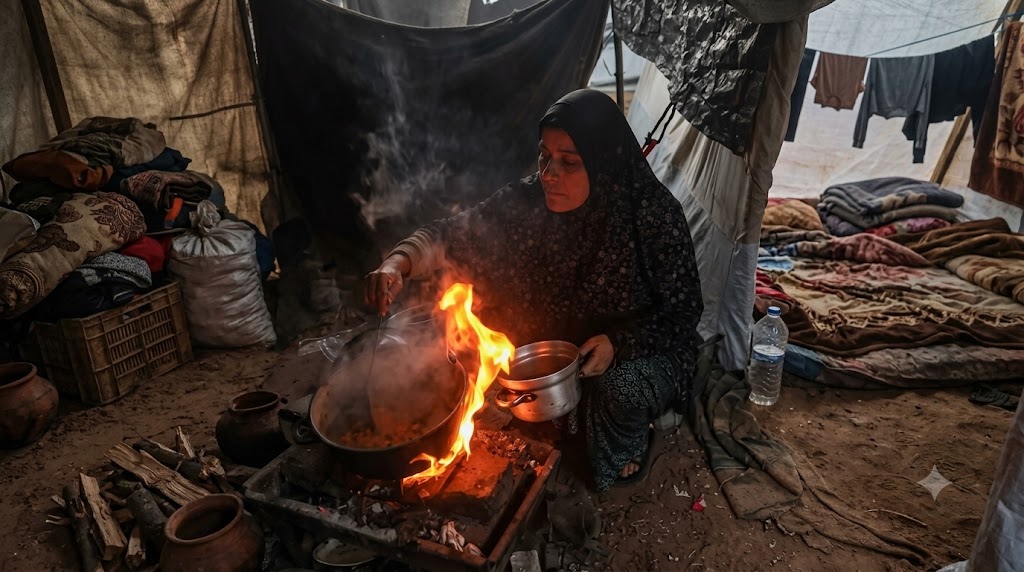
With cooking gas unavailable, many displaced people rely on burning wood and cardboard to prepare food despite the high temperatures, adding to their daily suffering and increasing the surrounding heat.
Another displaced resident said they are forced to light fires during peak heat hours to cook meals, adding that their clothes become soaked with sweat within minutes and they must change them repeatedly throughout the day amid severe water shortages.
He noted that temperatures remain high even at night, as residents open tent doors and windows hoping for airflow, but conditions remain suffocating due to the lack of electricity, fans, and basic ventilation equipment.
Water Queues and Mosquito Bites
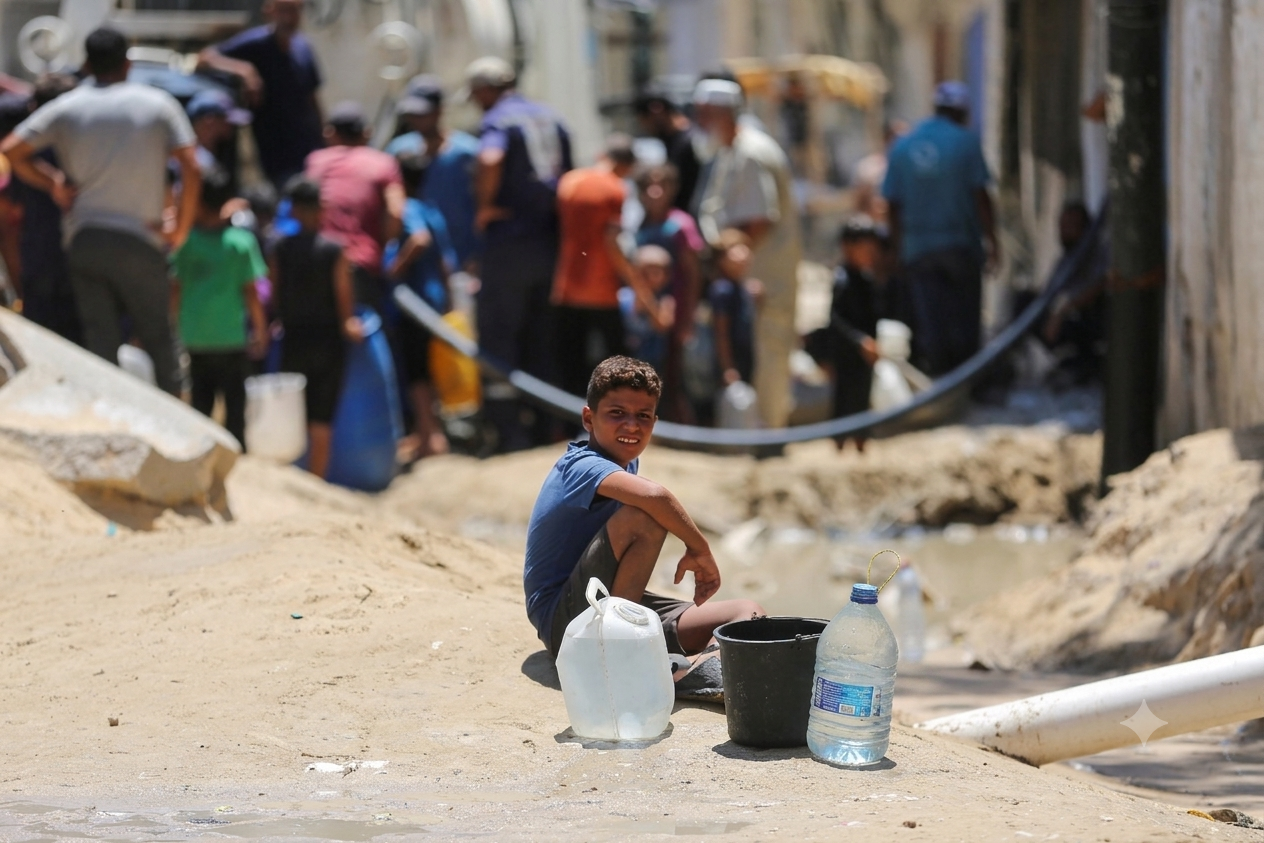
Another displaced resident described life in the camp as a continuous cycle of suffering that begins in the morning with standing in long water queues under the sun and continues with the urgent need for frequent bathing due to the unbearable heat.
He added that nighttime brings no relief, as high temperatures coincide with the spread of mosquitoes and rodents, preventing families from sleeping and making life inside the worn-out tents even more difficult and tragic.
Residents of the camps say that continued displacement and the absence of basic services have turned summer into an additional burden, worsening their humanitarian suffering.
They are calling for urgent supplies, including shelter materials, cooling equipment, water, and healthcare services, to ease the catastrophic conditions they are currently facing.
Under the first phase of the ceasefire agreement in Gaza, which has been in effect since October 10, Israeli authorities were expected to allow the entry of essential relief and reconstruction materials, as well as repairs to damaged electricity networks and infrastructure.
However, according to humanitarian and government organizations, Israel has failed to fulfill its commitments and continued imposing strict restrictions on aid deliveries.
Israeli authorities have also completely blocked materials needed for relief operations, infrastructure rehabilitation, and debris removal ahead of the expected reconstruction process.

No comments yet. Be the first to share your thoughts.