
The United States declared that Israel and Lebanon agreed to implement a ceasefire featuring “test zones” after concluding the fourth round of negotiations in Washington. The agreement sparked debate inside Israel while clashes continued in southern Lebanon, leaving dozens dead and injured.
What Are “Test Zones”?
According to the U.S. statement, these zones will be exclusively controlled by the Lebanese army, excluding all non-state actors—clearly meaning Hezbollah and other armed groups. Lebanese President Joseph Aoun revealed Lebanon proposed including Zawtar West and East and Shaqif Castle as initial test zones, with implementation possible within 24 hours pending guarantees.
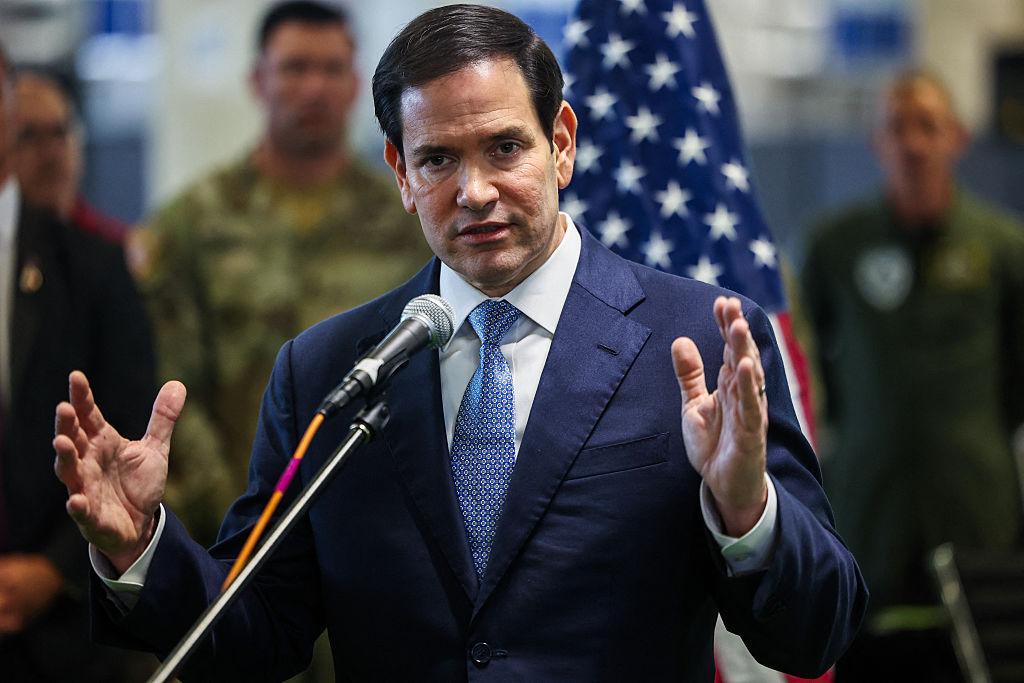
Aoun admitted talks were difficult and resumed only after U.S. Secretary of State Marco Rubio intervened. He stressed the deal could be the “last chance” and said Lebanon counts on President Trump’s role. Al Jazeera’s Beirut bureau noted Israel seeks to establish zones cleared of weapons and fighters, while in Israel the focus is on Hezbollah’s withdrawal south of the Litani River before army deployment.
U.S. Statement
The State Department said the ceasefire is conditional on Hezbollah’s complete halt of attacks and removal of its forces south of the Litani. It emphasized Lebanese army control as a path toward comprehensive peace and rejected any parallel negotiation tracks. Washington pledged support to strengthen the Lebanese army’s capabilities. Israel insisted its security requires Hezbollah’s disarmament and infrastructure dismantling.
Lebanon reaffirmed respect for international borders and demanded immediate cessation of hostilities. Both sides agreed to resume talks June 22 to reach a comprehensive deal, with Washington facilitating communication during the transition.
Trump-Netanyahu Rift
Axios reported U.S. officials noting Trump wants to end the war, while Israeli PM Netanyahu appears intent on continuing it. Their close coordination on Iran contrasts with diverging interests on Lebanon, raising concerns among Netanyahu’s allies.
Israeli Political Reactions
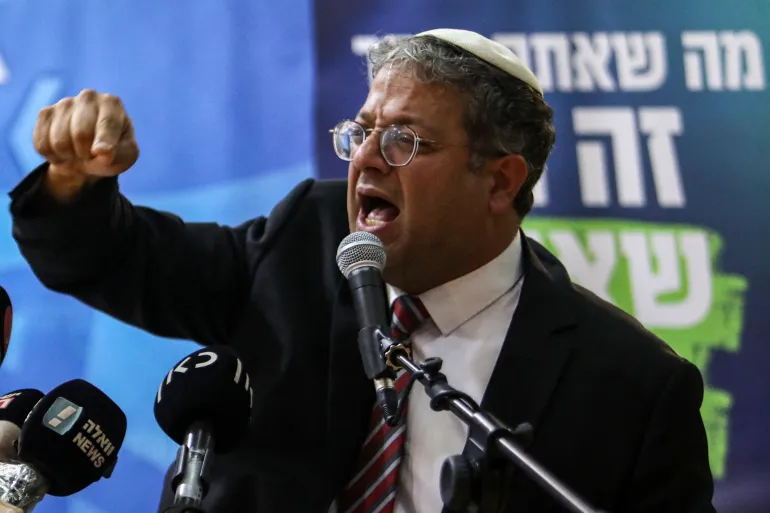
National Security Minister Itamar Ben Gvir called the ceasefire a “grave mistake,” arguing it strengthens Hezbollah. Avigdor Lieberman said it gives Hezbollah time to regroup. Benny Gantz described the deal as “important” if implemented, potentially isolating Hezbollah politically, but warned Israel must remain vigilant. Defense Minister Yisrael Katz defended the agreement as a major achievement, highlighting plans for a demilitarized zone south of the Litani and continued Israeli military presence.
Field Escalation
Despite the ceasefire, Israeli strikes killed 22 and injured 13 in 96 attacks across southern and central Lebanon, including air raids, artillery, and demolitions. Victims included medics, a Lebanese soldier, Syrians, and Palestinians. Hezbollah claimed drone and rocket attacks on Israeli positions near Shaqif Castle and other southern areas, and said it forced Israeli drones to retreat with anti-air missiles.
Since March 2, Israel’s expanded offensive has killed 3,516 and injured 10,674, displacing over a million people, according to official Lebanese figures.
No comments yet. Be the first to share your thoughts.