
Geneva — UN High Commissioner for Human Rights Volker Türk expressed regret Monday over the economic blockade’s impact on Iran, noting its effects on civilians, including seafarers. Speaking at the opening of the 62nd Human Rights Council session, he cited reports of thousands of casualties during recent protests, along with executions and arrests, urging restraint and respect for human rights. On the Middle East, Türk stressed the need to uphold the ceasefire in Gaza and achieve sustainable calm. He noted that Israeli forces have killed nearly 1,000 Palestinians since the October ceasefire, while tightening restrictions on humanitarian aid, worsening the crisis.
In the West Bank, he warned of accelerated displacement, community destruction, and land confiscation, with dozens killed, thousands injured, and hundreds arrested amid ongoing settlement expansion. He condemned statements by Israeli officials calling for Palestinian displacement or blocking a viable Palestinian state, labeling them illegal, and urged international pressure to enforce accountability. Türk also highlighted escalating clashes between Hezbollah and Israel, which caused casualties and mass displacement in Lebanon. He voiced concern over attacks on infrastructure and residential areas, calling for an immediate halt to hostilities, Israeli withdrawal from Lebanese territory, and independent investigations into violations.
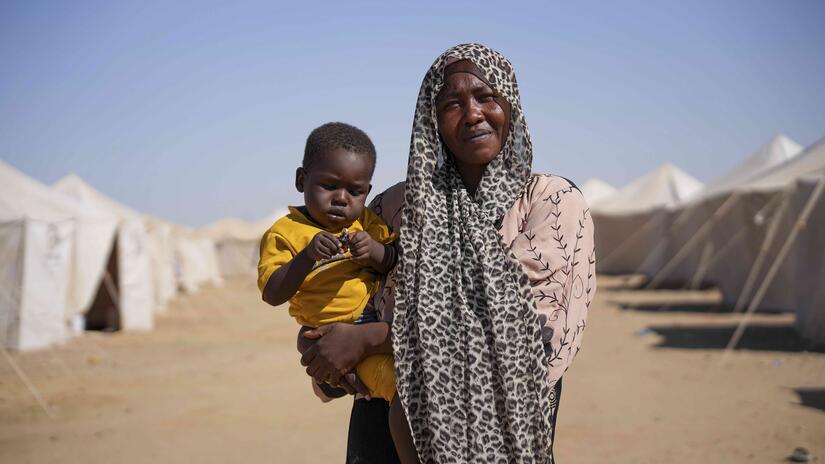
Turning to Sudan, Türk described intensifying conflict marked by drone use and documented killings of over 1,000 civilians in early 2026, alongside widespread sexual violence.
Human Rights Deterioration
Overall, Türk warned of global human rights decline, urging stronger international law and accountability. He said the trajectory of human rights historically involves progress and setbacks but ultimately expands freedom. The global update reflects a complex reality beyond simple binaries of good and evil.
He cautioned that the world faces grave challenges, including what he termed an “unprecedented assault” on international law, calling for condemnation and containment. He criticized indiscriminate use of force in several conflicts, expressing alarm at recent developments, and stressed adherence to humanitarian law and independent investigations.
Türk concluded that addressing root causes requires justice, accountability, and respect for international law. Without these, he warned, conflicts and instability will deepen worldwide.
No comments yet. Be the first to share your thoughts.