
In 1997, Sotheby’s auctioned “Sue,” a T. rex fossil, for $8 million to Chicago’s Field Museum. Nearly three decades later, “Gus” is among the most complete T. rex skeletons ever found, discovered in South Dakota’s Badlands. The fossil has already been valued at $30 million, with expectations it could surpass the record set by “Apex,” a Stegosaurus sold in 2024 for $44.6 million.
The discovery involved years of excavation and reconstruction. Fossil hunters endured harsh conditions, camping in remote areas with rattlesnakes and mountain lions. Once unearthed, bones risk rapid deterioration, requiring meticulous preservation. Gus’s skeleton is 61% complete, including a skull marked by a massive bite wound and healed fractures, offering rare insights into the dinosaur’s life.
Auction houses argue that fossil hunters deserve compensation for their dangerous work, while scientists warn that skyrocketing prices lock museums out of acquiring specimens. Professor Susannah Maidment of London’s Natural History Museum stresses that authentic fossils are irreplaceable for research, especially as paleontology provides crucial data about mass extinctions and climate change.
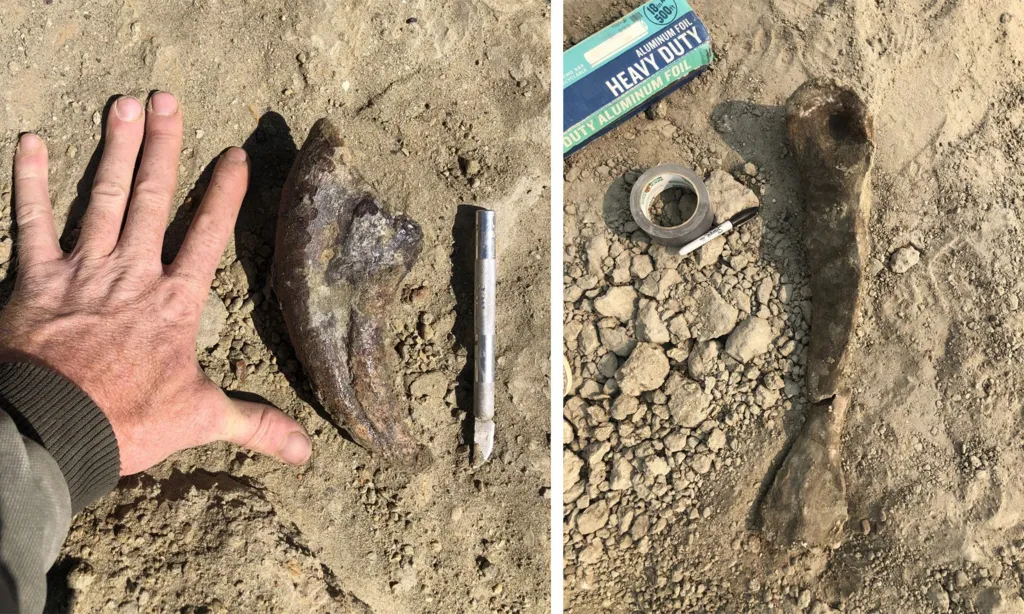
The commercialization of fossils raises concerns: private ownership often prevents long-term scientific study, as journals refuse to publish research on specimens not accessible to the public. Scientists fear that fossils treated as luxury collectibles risk a “second extinction,” disappearing from research and public view.
Yet fossil hunters and auctioneers counter that without their efforts, many specimens would be lost to erosion or natural destruction. As Cassandra Hatton of Sotheby’s puts it, they are “saving dinosaurs from a second extinction.”
The debate underscores a growing tension: fossils are both priceless scientific artifacts and multimillion-dollar commodities. Whether Gus ends up in a museum or a billionaire’s private collection may shape how future generations engage with Earth’s prehistoric past.
No comments yet. Be the first to share your thoughts.