
Over the past two decades, Lebanon has endured repeated Israeli violations of ceasefire deals, leaving civilians without sustained peace. Hezbollah has significantly expanded its military capabilities, while Lebanon’s economy has suffered unprecedented decline. The current war, ongoing since March 2026, highlights stark differences compared to the 2006 conflict.
Doctrines of War In 2006, Israel employed the “Dahiya Doctrine,” targeting Hezbollah’s strongholds in southern Beirut with overwhelming firepower and infrastructure destruction. This approach aimed to separate resistance from its civilian base. Today, Israel has escalated to what analysts call the “Doctrine of Ruins,” involving mass evacuation orders across southern Lebanon, Bint Jbeil, Tyre, and even Baalbek. The strategy seeks to enforce a buffer zone—dubbed the “yellow line”—by forcibly displacing populations and demolishing villages.
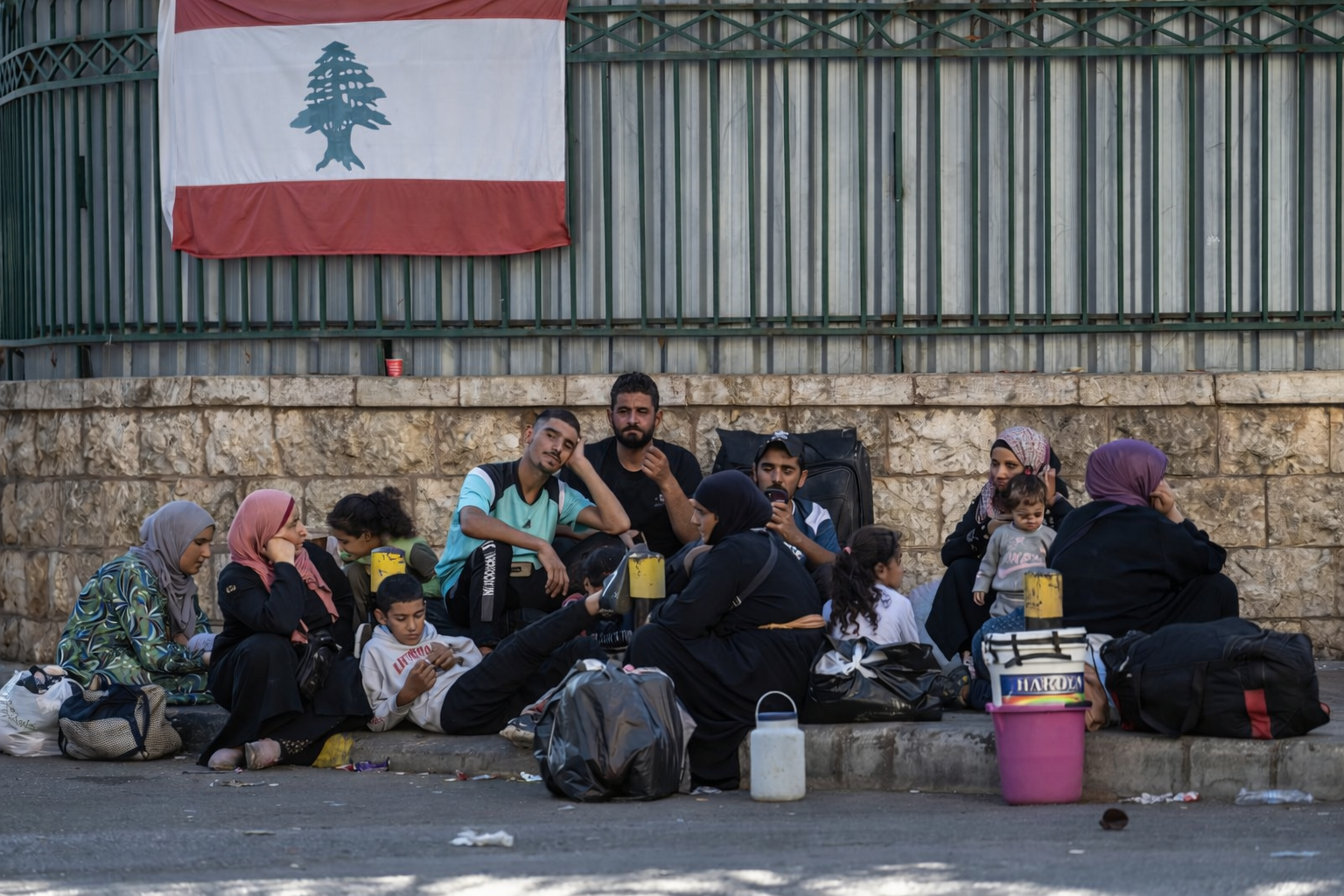
Israeli Objectives In 2006, Israel’s cabinet outlined six goals: reinforcing deterrence, halting attacks from Lebanon, pressuring the Lebanese government, recovering captured soldiers, crippling Hezbollah, and keeping Syria and Palestine out of the war. In 2026, objectives have expanded to dismantling Hezbollah’s arsenal entirely and creating a 10 km-deep buffer zone through destruction of border villages, echoing tactics used in Gaza.
Hezbollah’s Capabilities During the 2006 war, Hezbollah relied on guerrilla tactics and short-range rockets reaching Haifa. Since then, the group has multiplied its fighters to over 10,000, possibly 14,000, and advanced its arsenal, including drones. Despite Israel’s technological superiority and targeted assassinations, Hezbollah’s expanded forces have shifted the balance, enabling greater resilience against Israeli offensives.
Human and Economic Costs
2006 War: About 1,200 killed, 4,400 injured. Economic damage reached $2.8 billion, with Lebanon’s economy relatively stable at the time.
2026 War: Over 4,322 killed and 12,210 injured since March. Economic losses may reach $20 billion, with GDP shrinking by 10%. Lebanon now suffers its worst collapse in modern history, with the currency losing 90% of its value and 80% of citizens living below the poverty line.
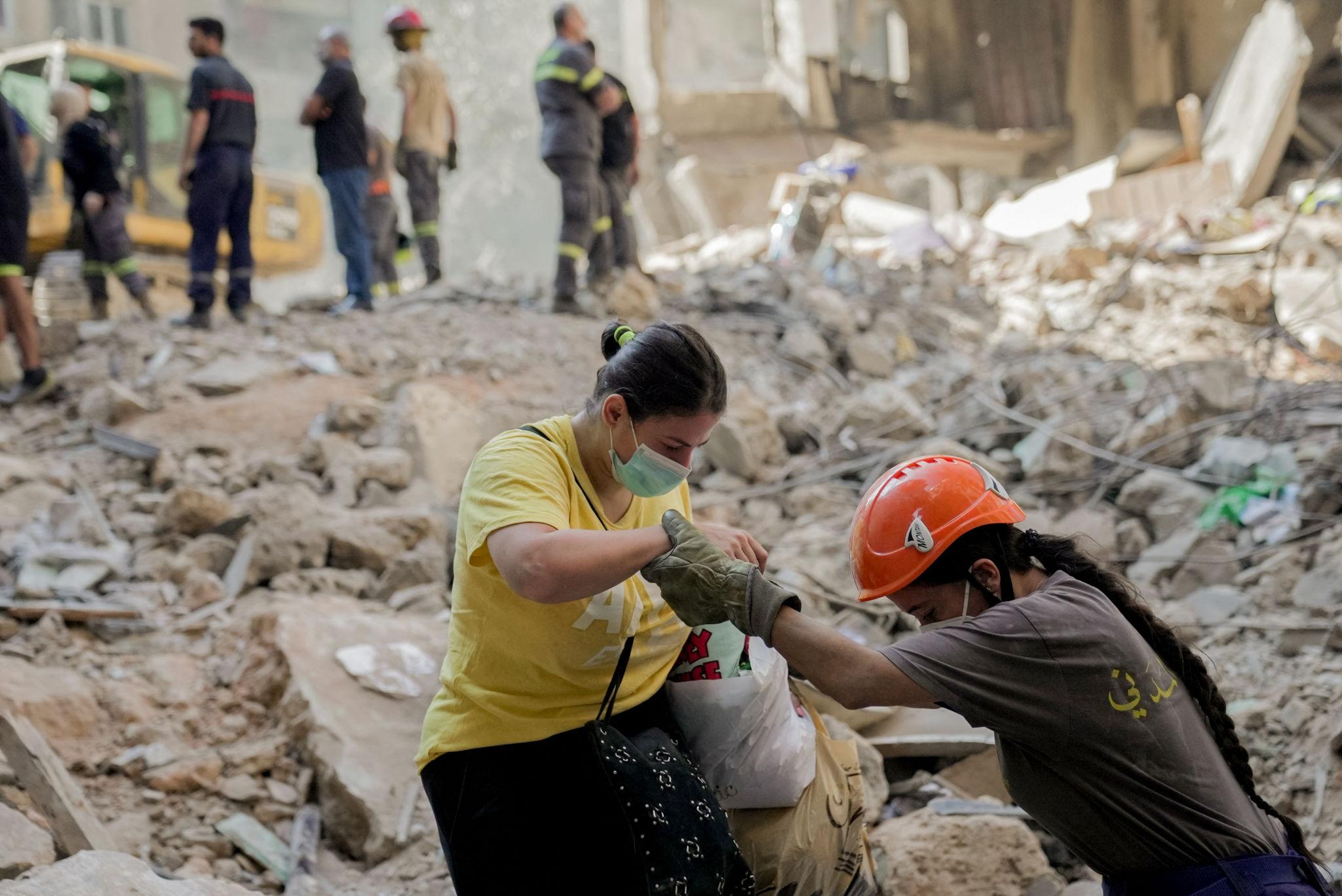
International Role In 2006, the U.S. and France coordinated to pass UN Resolution 1701, ending the war and deploying UNIFIL forces. In 2026, Washington under President Donald Trump has given Israel broad latitude, while Europe seeks to mediate peace after UNIFIL’s withdrawal. The fragile “framework agreement” signed last month in Washington may reshape Lebanon’s security landscape, potentially enforcing Hezbollah’s disarmament while granting Israel expanded military freedom.
Future Security Arrangements Israel has violated Resolution 1701 by expanding its presence south of the Litani River, establishing 18 military points inside Lebanon, and enforcing the “yellow line.” If the new framework is implemented, Lebanon could face a new reality: Hezbollah disarmed, villages destroyed, and Israel enjoying unprecedented operational freedom.
No comments yet. Be the first to share your thoughts.