
The memorandum of understanding between Washington and Tehran followed more than 100 days of war, presented by Trump as a “great deal” that halts fire, reopens the Strait of Hormuz, and calms markets. Yet while the White House framed it as an achievement, British and Israeli commentary painted it as a harsh reckoning for Tel Aviv. Iran remains central, while Israel emerged without shaping the war’s end.
Netanyahu faces a settlement that denies him victory language and leaves him managing consequences. The Times of London argued Trump’s truce undermined Netanyahu’s core promise: that war would not end until Iran was defeated and stripped of influence. Instead, leaked details suggest Iran retains enriched uranium and its regional networks. Analysts say Netanyahu, long the “Iran file’s undisputed owner,” now confronts an American deal absent his imprint.
Jerusalem Post’s editorial asked whether Israel’s conditions were met: dismantling Iran’s nuclear program, curbing missiles and drones, sidelining Hezbollah, and preserving Israel’s military freedom. It found no clear answers, warning the truce could be a gain for Tehran. In Israel Hayom, former military intelligence official Danny Citrinowicz declared the campaign a total failure, leaving Iran stronger economically, diplomatically, and militarily, while conceding nothing on missiles, proxies, or enrichment rights.
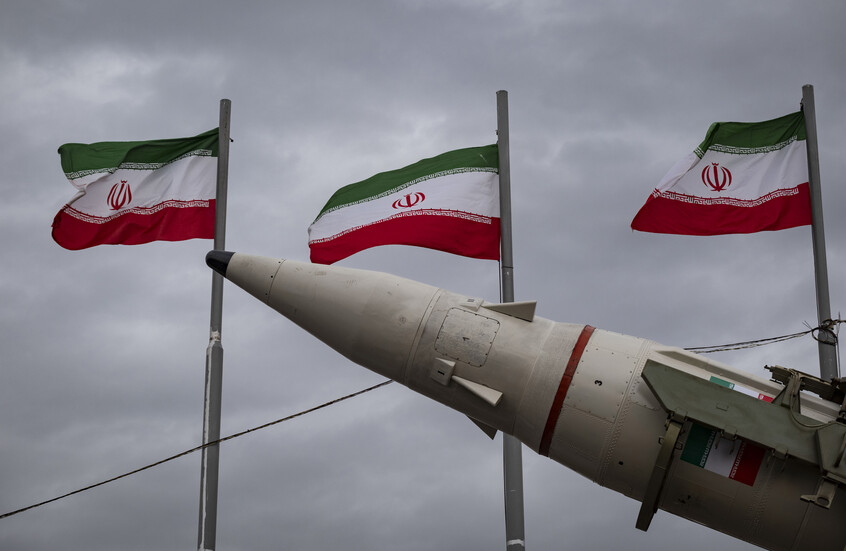
The agreement also exposed Israel’s limited political leverage. The Telegraph described Israeli anger at a settlement that restrains military action in Lebanon. Reports noted Netanyahu tried to prolong fighting by ordering a Beirut strike even as U.S.-Iran talks advanced, angering Trump. Analysts stressed Israel cannot wage war against Iran alone, and Trump grew weary of the conflict. Unlike during Obama’s era, Netanyahu lacks tools to challenge Washington, with allies unwilling to confront Trump.
Domestically, coalition partners reject admitting Israel’s hands are tied. Far-right ministers Itamar Ben-Gvir and Bezalel Smotrich insist the deal does not bind Israel and call for “creative” means to continue the campaign. Opposition figures criticize Netanyahu for failing to deliver decisive results. Former Prime Minister Naftali Bennett spoke of an “existential moment,” urging new doctrine to pressure Iran. The deal arrives at a sensitive electoral juncture, with Netanyahu haunted by October 7 and the Gaza war’s fallout.
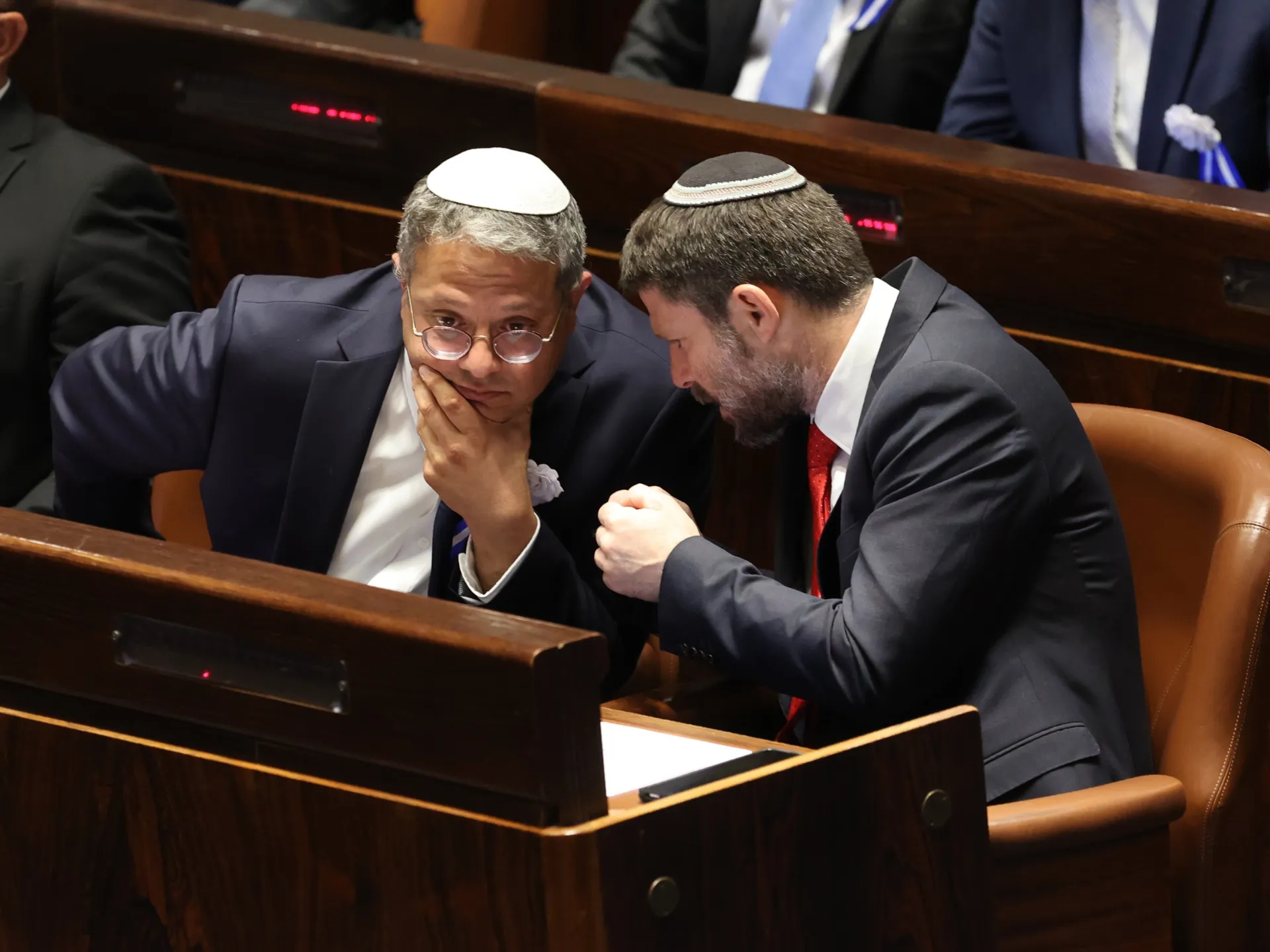
Avigdor Lieberman called the agreement “a complete victory for the Ayatollah,” while Yair Lapid labeled it one of Israel’s gravest foreign policy failures, blaming Netanyahu. Economically, Israel faces the prospect of Iran regaining billions in frozen assets while bearing heavy defense costs. Israel Hayom concluded with a bitter epitaph: Operation “Lion’s Roar” ended not with a roar, but with a whimper.
No comments yet. Be the first to share your thoughts.