
The Palestinian government has warned that the health sector is approaching a critical point of collapse amid severe shortages of medicines and medical supplies, compounded by a deep financial crisis due to Israel’s continued withholding of clearance revenues. Hospitals and clinics in Gaza and the West Bank are increasingly unable to meet patients’ basic needs.
In a diplomatic briefing at the Ministry of Foreign Affairs, Health Minister Dr. Majed Abu Ramadan and Foreign Minister Varsen Agabkian called on the international community to act urgently to protect the Palestinian health sector. They cautioned that the current situation threatens thousands of lives and is leading to the gradual breakdown of healthcare services.
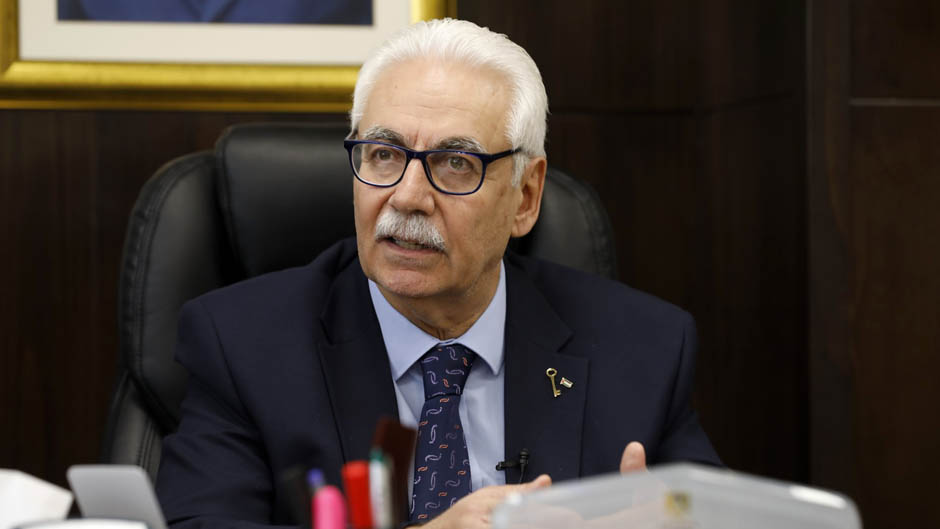
Abu Ramadan said the health system faces an unprecedented overlap of humanitarian, operational, and financial crises. He stressed that international law obliges the occupying power to ensure continuity of health services and protect medical facilities, staff, ambulances, and humanitarian supplies. He noted that conditions in Gaza continue to deteriorate despite the ceasefire, with hundreds killed and thousands injured since its announcement, adding that tens of thousands have been killed or wounded since October 2023.
He highlighted that nearly half of essential medicines, including cancer treatments, had run out by May, leaving thousands of patients without care. The crisis has escalated into a public health emergency, worsened by destroyed water networks, waste accumulation, overcrowded displacement centers, and collapsing infrastructure, raising risks of epidemics.
In the West Bank, restrictions on movement, road closures, settler violence, and military operations have increasingly obstructed patients and medical staff from reaching facilities and hindered the transport of medicines. Ambulance delays and blocked access to treatment appointments directly endanger lives.
Abu Ramadan also underscored the financial chokehold: accumulated debts exceed 3.8 billion shekels (around $1 billion), owed to private hospitals, East Jerusalem facilities, and pharmaceutical companies. More than 726 drug categories have reached zero stock or fallen below emergency thresholds, leaving over 4,000 cancer patients at immediate risk, alongside kidney patients and those with chronic illnesses. Thousands of surgeries have been postponed, primary care disrupted, and hospital operating hours reduced.
Emergency departments are overwhelmed as other services are suspended, while private and charitable health institutions face sustainability crises due to delayed payments, forcing service cuts and staff reductions. Abu Ramadan stressed that emergency measures cannot substitute for sustainable funding: “Slow collapse is still collapse.”
Foreign Minister Agabkian added that protecting the Palestinian health sector is as vital as protecting the people themselves, warning that its collapse would have regional repercussions
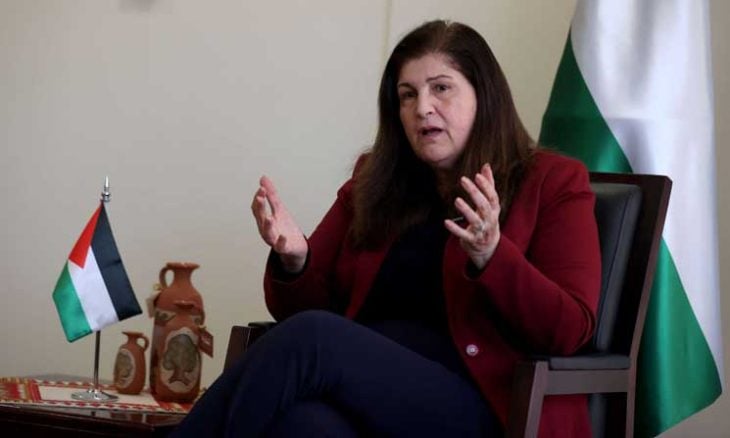
. She urged the release of clearance revenues and concrete steps to end violations and occupation, affirming that Palestinians remain determined to endure despite the crisis.
No comments yet. Be the first to share your thoughts.