
The Alliance for Change announced on Wednesday its categorical rejection of appointments as a substitute for elections, attempts to reshape the Palestinian political system, and proposed amendments to the election law that would reduce the number of members of the Palestinian Legislative Council. The alliance also rejected any political preconditions imposed on candidates and reaffirmed its commitment to holding legislative elections as scheduled.
The alliance formally launched itself in Ramallah in the central occupied West Bank during its first press conference following a series of preparatory meetings. It brings together political, social, and legal figures with a particular focus on the Palestinian legislative elections scheduled for November.
Recent reports indicated that the Palestinian leadership is considering amendments that would reduce the Legislative Council to 132 members, with 68 of them selected by consensus from the Palestinian National Council rather than elected. The proposal has become a central issue in discussions among electoral blocs.
Speakers at the conference said that “defending the democratic process and rejecting the exclusion and marginalization of Palestinians abroad is a defense of the national project as a whole,” calling for simultaneous presidential and legislative elections to end unilateral rule and lay the groundwork for a new phase of national unity.
Addressing Political Division
Jihad Harb, a member of the alliance and director of the Thabat Center for Research and Studies, said the alliance’s first conference focused on two key demands: rejecting any amendments to the general election law governing the Legislative Council and ensuring that elections take place on November 28 as scheduled.
He also stressed the need for presidential and legislative elections to be held simultaneously.
Ahmed Ghneim, a former Fatah leader and alliance member, described the alliance as a national political initiative that views participation in elections as one of its main tools.
He said the alliance seeks to confront the ongoing political division and what it described as the failure of both the Palestinian leadership and national factions to achieve national unity.
Ghneim said the alliance aims to help end unilateral governance and political division, adding that it could eventually evolve into an electoral list but currently serves as a political framework opposing what it sees as efforts to legally redesign the political system in a way that preserves one-sided rule.
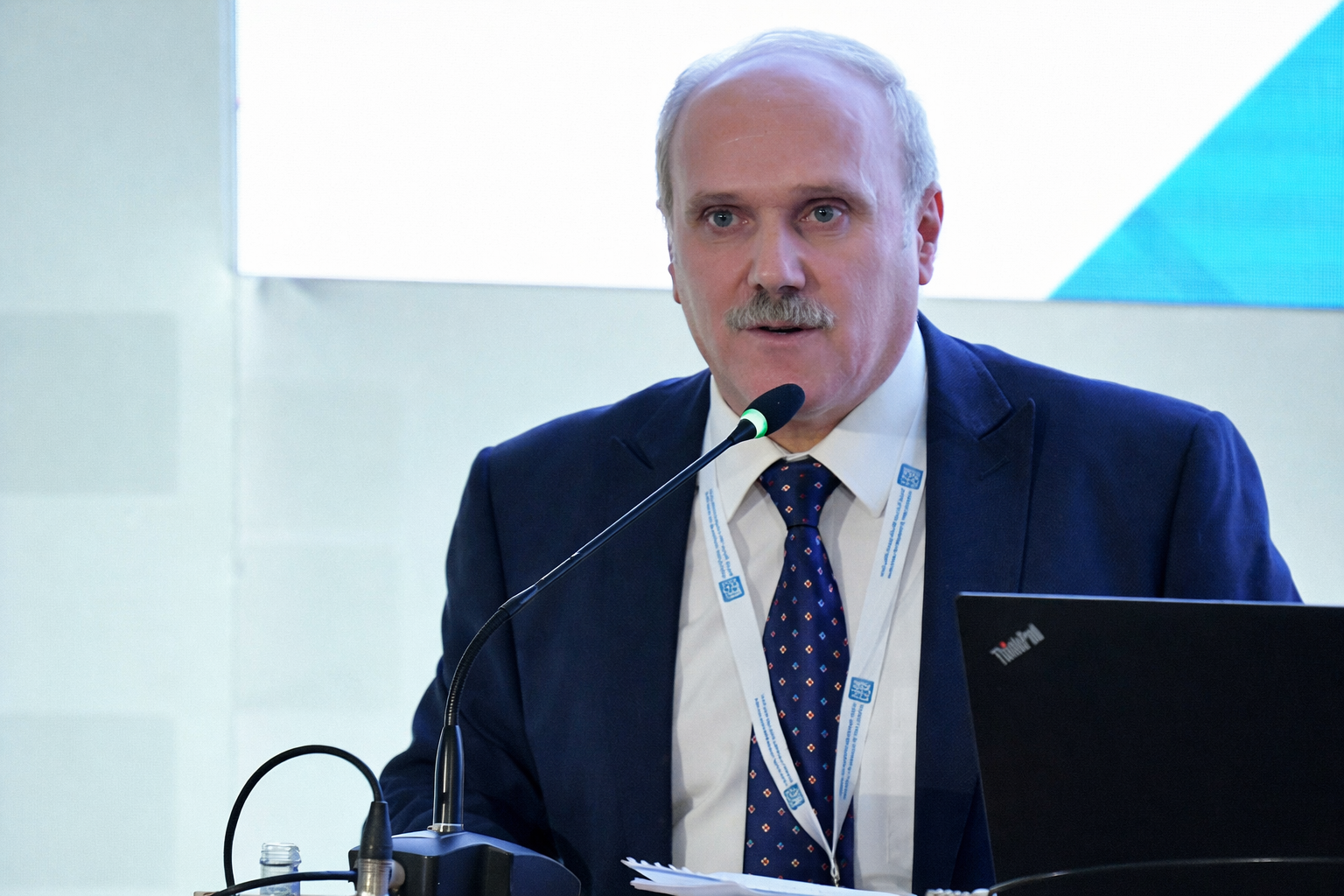
He identified the political conditions imposed on candidates as one of the alliance’s main concerns, referring to provisions in a presidential decree issued last month requiring candidates to commit to the political and national program of the Palestine Liberation Organization and relevant international legitimacy resolutions.
Ghneim said the alliance would not boycott the elections because of these conditions but would instead challenge them through legal action, media campaigns, and public mobilization. He also called on all political factions and electoral lists to refuse signing any document containing political conditions.
Responding to concerns that refusing to sign could prevent candidates from running, Ghneim argued that if the overwhelming majority of electoral lists rejected the requirement, it would be difficult for the authorities to insist on enforcing it. He added that those who entrench unilateral rule should face political and public isolation.
During the conference, Ghneim warned of “serious indications” that the democratic process could be undermined through legal amendments and the restructuring of the political system.
He argued that such changes were intended to discourage some political blocs from participating in the elections, adding: “If we boycott, they will simply say, ‘Good, let them leave the field.’ We will not abandon the process. We will continue to defend elections as a national path to changing this course.”
“Not a Favor from Anyone”
In a statement on behalf of the alliance, member Ruba Masrouji reaffirmed its complete rejection of appointments replacing the will of the people, whether inside Palestine or among Palestinians abroad.
She said that “free and fair elections that include all Palestinians, both at home and in the diaspora, are not a favor from anyone but the most effective means of achieving change and defending the national project.”
Masrouji added that Palestinians have the right to choose their political program freely and that no political platform should be imposed on candidates in advance, stressing that every Palestinian has the right to vote and stand for election without restriction.
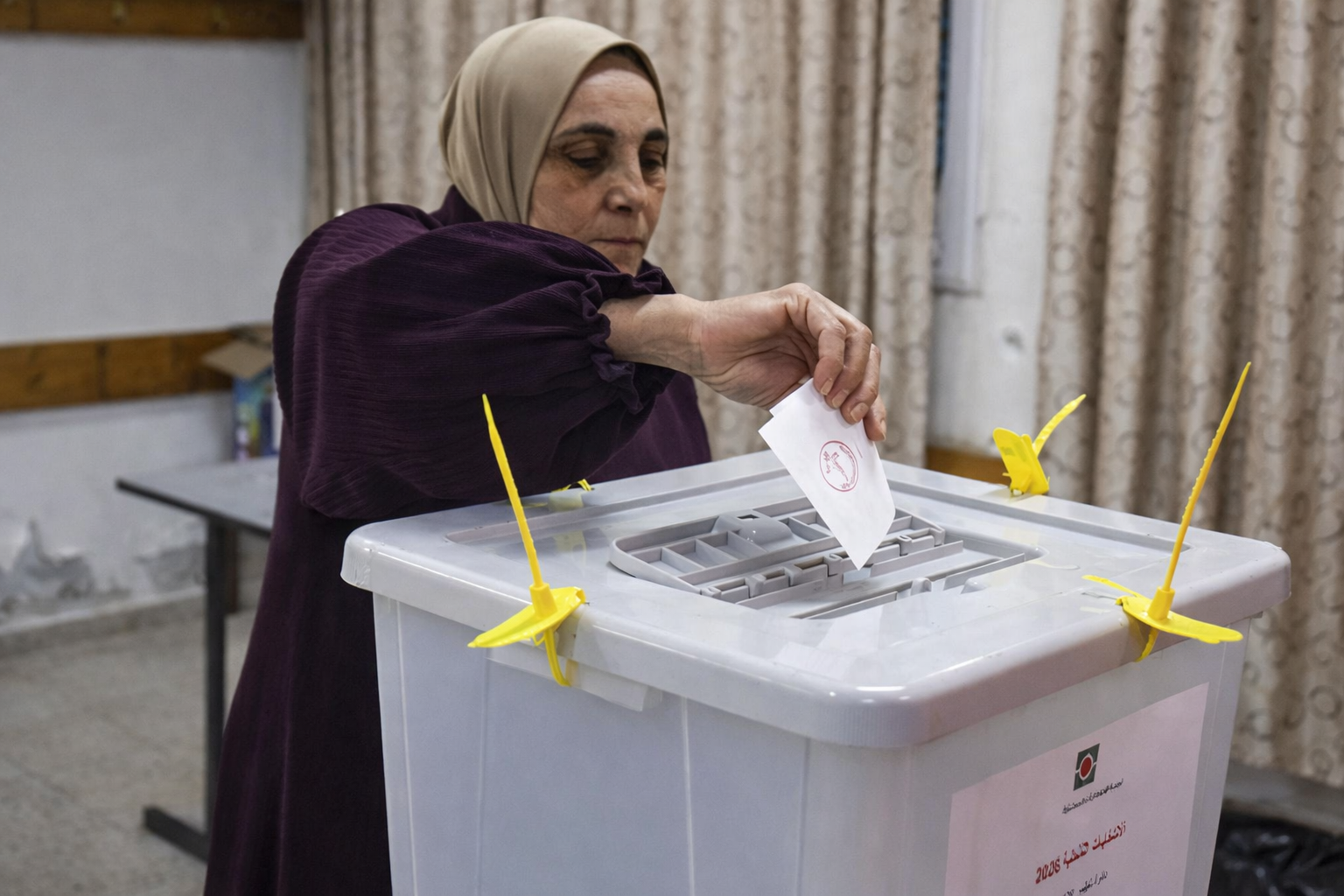
Mustafa Barghouti, secretary-general of the Palestinian National Initiative and a member of the alliance, addressed the conference via video link from Amman.
He reaffirmed the alliance’s commitment to elections, saying that opposing certain conditions imposed on candidates “does not mean rejecting elections or calling for a boycott.”
Barghouti warned against using the electoral process to redesign the political system or exclude Palestinian political forces in response to external pressure.
He said the alliance seeks to ensure elections are held across all Palestinian areas, including Jerusalem, Gaza, and Palestinians abroad, while working to remove political conditions on candidates and prevent appointments from replacing elections.
Concerns Over Electoral Integrity
Aref Jaffal, director of the Arab World Observatory for Democracy and Elections, presented legal and human rights observations on the electoral process and the proposed amendments.
He said the integrity of Palestinian elections has been significantly undermined by the failure to hold them on a regular basis, noting that election specialists consider regular electoral cycles to account for half of an election’s overall integrity.
Jaffal also cited an international electoral norm that discourages major changes to election laws during an election year.
He argued that imposing political conditions on candidates contradicts the Palestinian Basic Law, which serves as the primary legal reference.
Jaffal recalled a Palestinian consensus reached in 2021 recognizing the Palestine Liberation Organization as the sole legitimate representative of the Palestinian people, as well as the Declaration of Independence.
He also criticized the local committee that spent nearly a year preparing for Palestinian National Council elections without producing results, saying it had wasted valuable time.
Jaffal rejected proposals to appoint 68 members to satisfy specific factions, arguing that, from a technical standpoint, separate ballot boxes could be used to elect those representatives instead.
According to the alliance, its legal committee is expected to pursue legal action before Palestinian courts to challenge the political conditions imposed on candidates.
No comments yet. Be the first to share your thoughts.