
In the midst of modern debates surrounding Palestine, some attempts have been made to portray the name “Palestine” as something recent or purely political. Yet history, archaeology, and ancient inscriptions tell a very different story: the name Palestine is not modern, but deeply rooted in history for thousands of years.
The earliest known references connected to the name date back to around 1150 BCE during the reign of Pharaoh Ramesses III. In the inscriptions of the Medinet Habu temple in Egypt, which documented wars against the so-called “Sea Peoples,” the name “Peleset” appeared — the term Egyptians used for one of these maritime groups. This is considered one of the earliest historical references linked to the name that later evolved into Palestine.
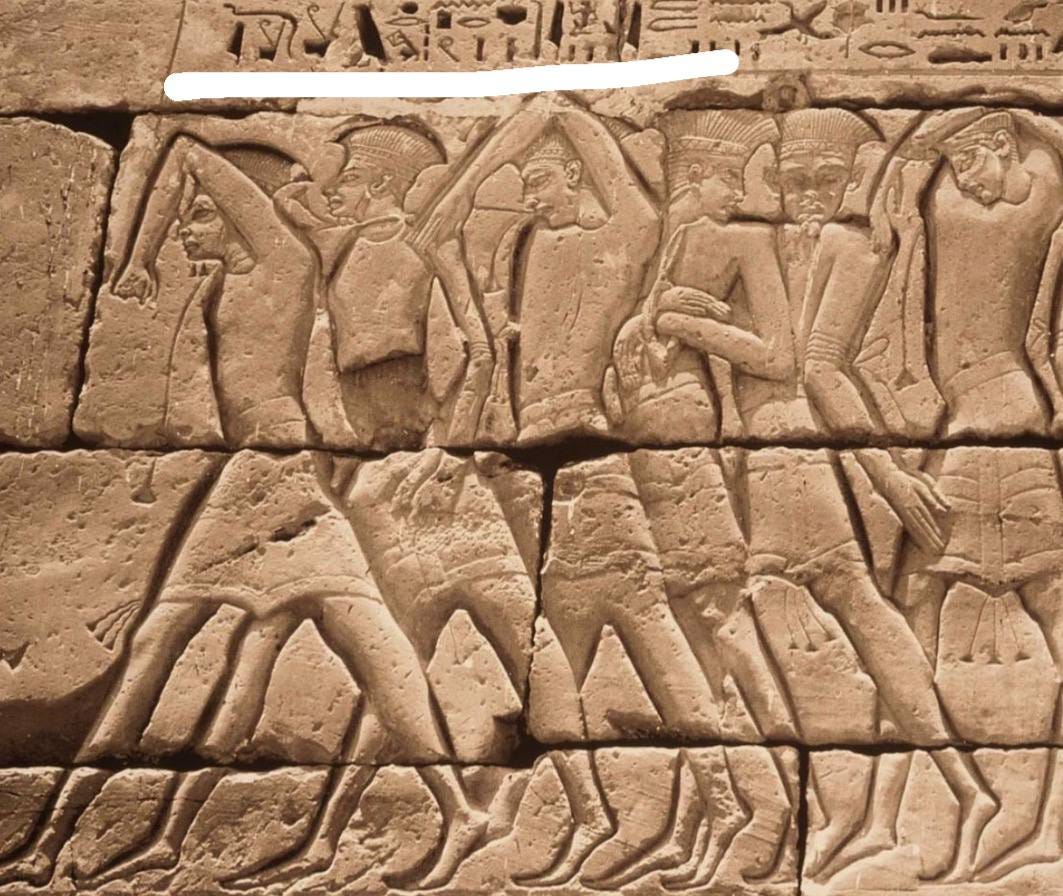
Later, these groups settled along the southern coast of Canaan, in areas around Gaza, Ashkelon, Jaffa, and Ashdod. Over time, the name gradually shifted from referring to a people to becoming associated with the land itself.
Centuries later, the Greek historian Herodotus, often called the “Father of History,” used the term “Palaistinē” in the 5th century BCE to describe the region between Egypt and the Levant, confirming that the name was already geographically recognized more than 2,400 years ago.
The Romans later adopted the name “Palaestina” in their official maps and records, and over the centuries the name evolved into Palestine in Arabic. This means the name was never a modern invention or a recent political label, but a historical name that endured across civilizations and empires.
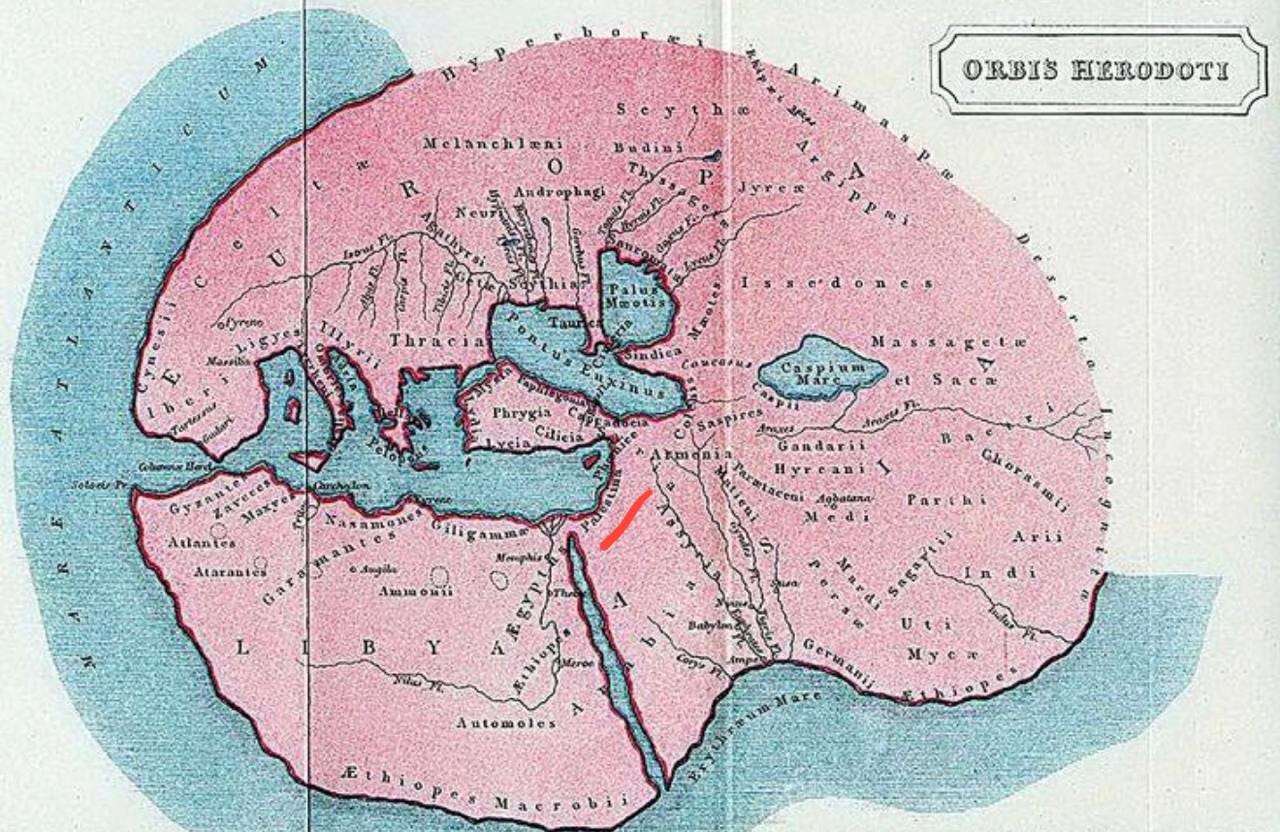
When we look at Egyptian inscriptions, Greek writings, and Roman maps, it becomes clear that the name Palestine has existed throughout history. History here does not speak the language of politics, but the language of archaeology, maps, and ancient records.
In simple terms:
The name Palestine is not new. It has been historically documented for more than 3,000 years — from “Peleset” in ancient Egyptian inscriptions, to “Palaistinē” in Greek sources, to “Palaestina” in Roman records, and finally to Palestine as it is known today.
No comments yet. Be the first to share your thoughts.