
The MoU, signed digitally by Presidents Donald Trump and Masoud Pezeshkian, outlines a 14-point framework to move from war toward negotiations. Analysts describe it as a roadmap rather than a final settlement, aiming to reduce tensions after the February conflict.
Hormuz and Maritime Security
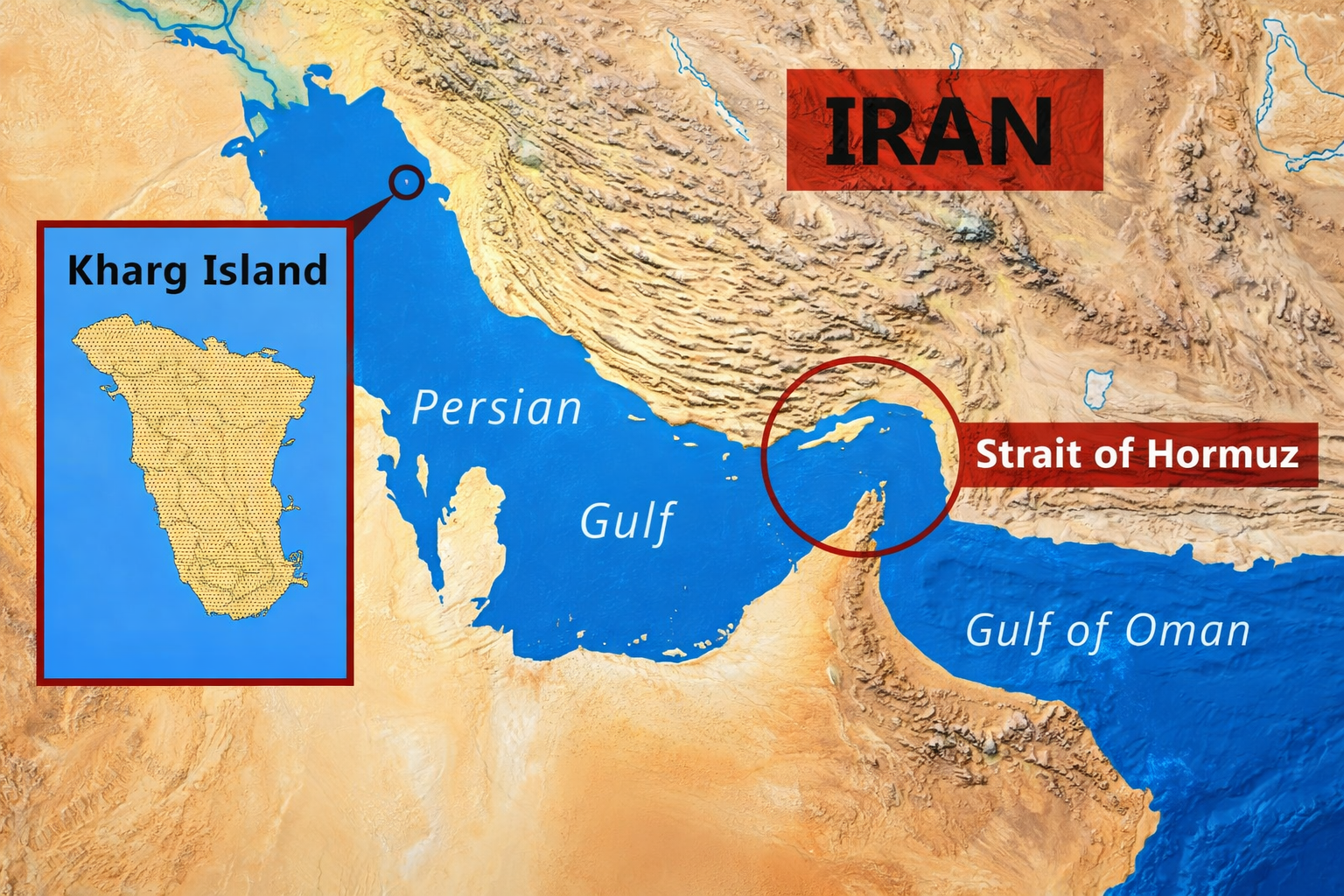
Article 13 requires Iran to guarantee free passage through the Strait of Hormuz for 60 days and begin mine clearance within 30. The U.S. pledged to lift its naval blockade within 30 days. Qatar and Pakistan confirmed a hotline mechanism to prevent incidents. Iran, however, signaled plans for a new management framework with Oman after the grace period.
Oil and Frozen Assets
The MoU’s tenth clause mandates U.S. Treasury exemptions for Iranian oil exports and related financial transactions. Iranian negotiators reported millions of barrels already reaching markets. Frozen assets are to be released, including a proposed $300 billion reconstruction fund, though technical details remain unresolved.
Lebanon Front
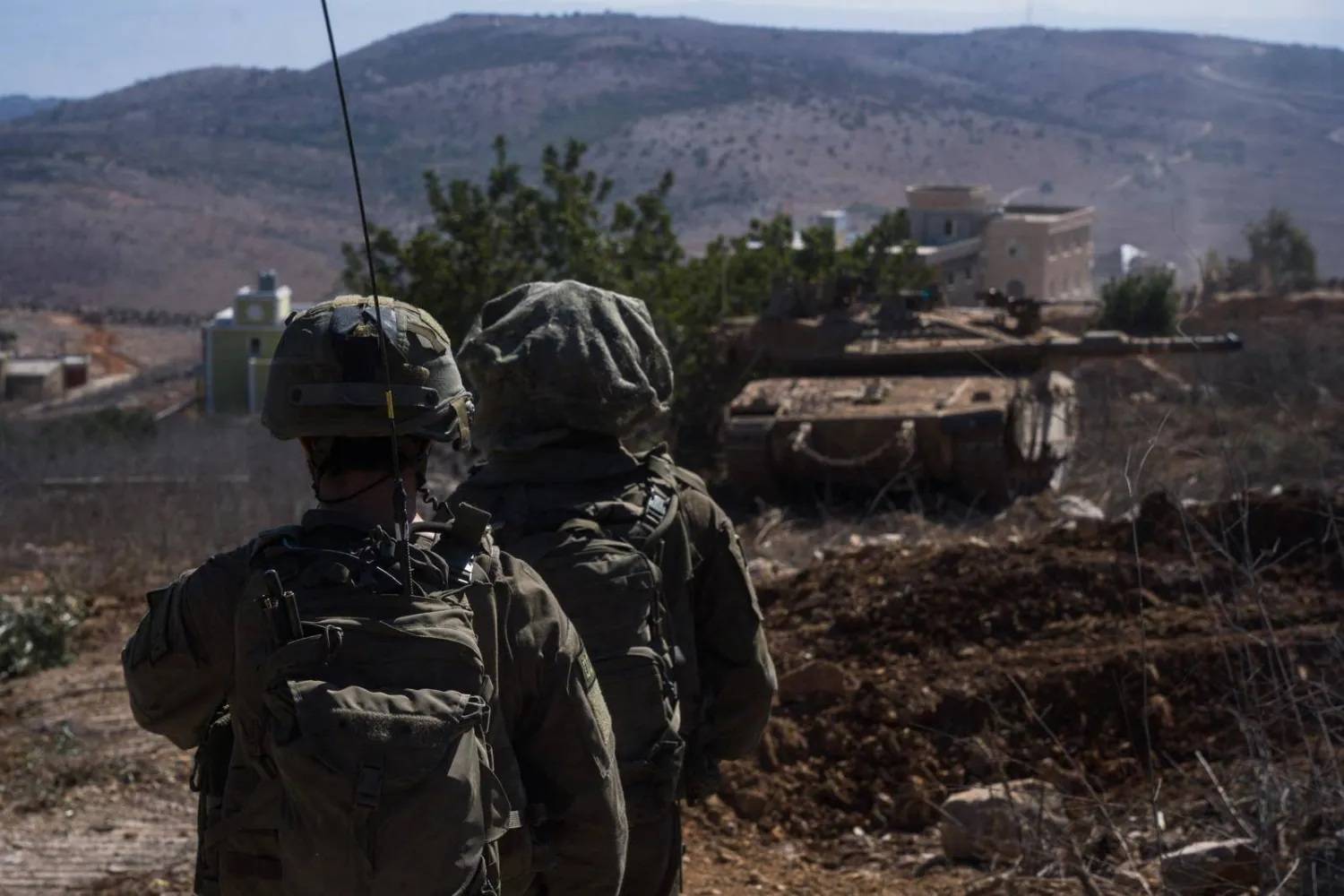
Clause one calls for ending wars on all fronts, explicitly naming Lebanon. Israel’s refusal to withdraw from occupied areas complicates implementation. A trilateral working group with Lebanon, facilitated by mediators, was agreed to prevent escalation. Iranian FM Abbas Araghchi said progress was made, but the true test lies in preventing clashes in Lebanon.
Nuclear File
Iran pledged not to pursue nuclear weapons and to reduce enrichment under IAEA supervision. Washington insists on strict verification, while Tehran ties concessions to full sanctions relief. Both sides agreed to maintain the status quo until a final deal.
Israeli Opposition
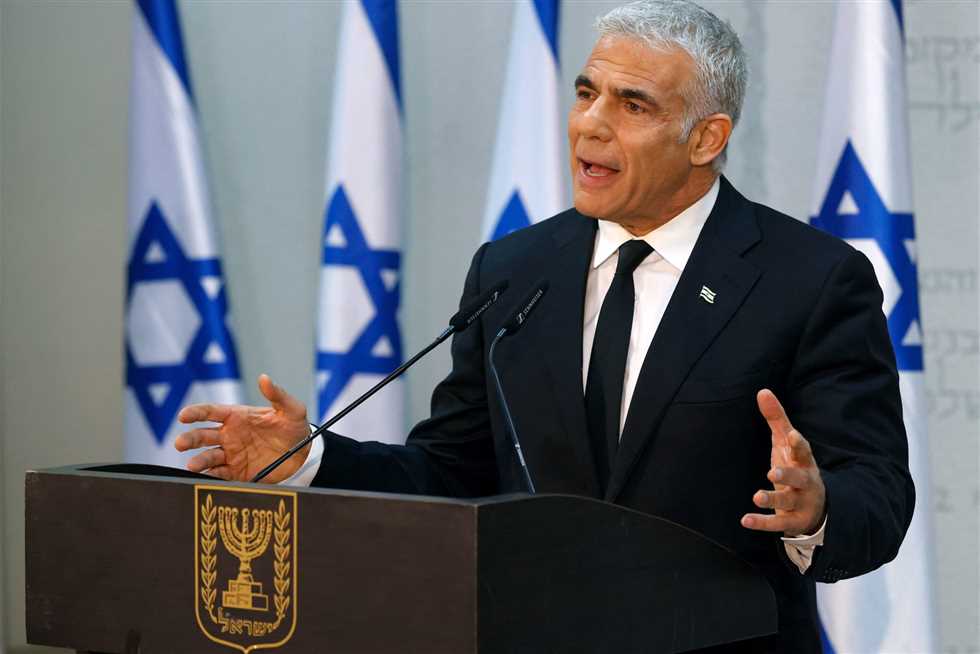
Israeli officials condemned the MoU as a “strategic disaster,” arguing it lacks firm commitments on uranium stockpiles. U.S. VP JD Vance urged Israel to “face reality,” while Iranian officials accused Netanyahu of deliberately escalating to sabotage peace efforts.
Red Lines
For Iran, red lines include unconditional sanctions relief and preventing U.S. political gains without military concessions. For Washington, priorities are blocking nuclear weapons and securing waterways, alongside reducing military commitments in the Middle East. Trump reassured critics the MoU is not final, warning Iran of consequences if it fails to comply.
Outlook
Despite sharp criticism and unresolved files, statements after Sunday’s Swiss talks suggest both sides remain committed to de-escalation. The Islamabad MoU thus stands as a fragile but significant step toward a broader settlement.
No comments yet. Be the first to share your thoughts.