
Israeli raids have focused on Nabatieh and Nabatieh al-Fawqa, with concentrated strikes on Ali al-Taher Heights and the Shqif area north of the Litani River. Analysts say the escalation reflects Netanyahu’s attempt to prove independence from U.S. President Donald Trump’s ceasefire announcement and to establish a 10-kilometer security belt north of the Litani.
According to Al Jazeera’s Walid al-Omari, the Israeli army suffered heavy losses in this sector, with 24 officers and soldiers killed since April 16. Netanyahu seeks to show Israelis he retains freedom of action and to strengthen Israel’s position ahead of U.S.-mediated talks with Lebanon scheduled for June 23–25. Israel aims to present control of the security belt as essential for its defense and to push for “experimental zones” free of Hezbollah fighters.
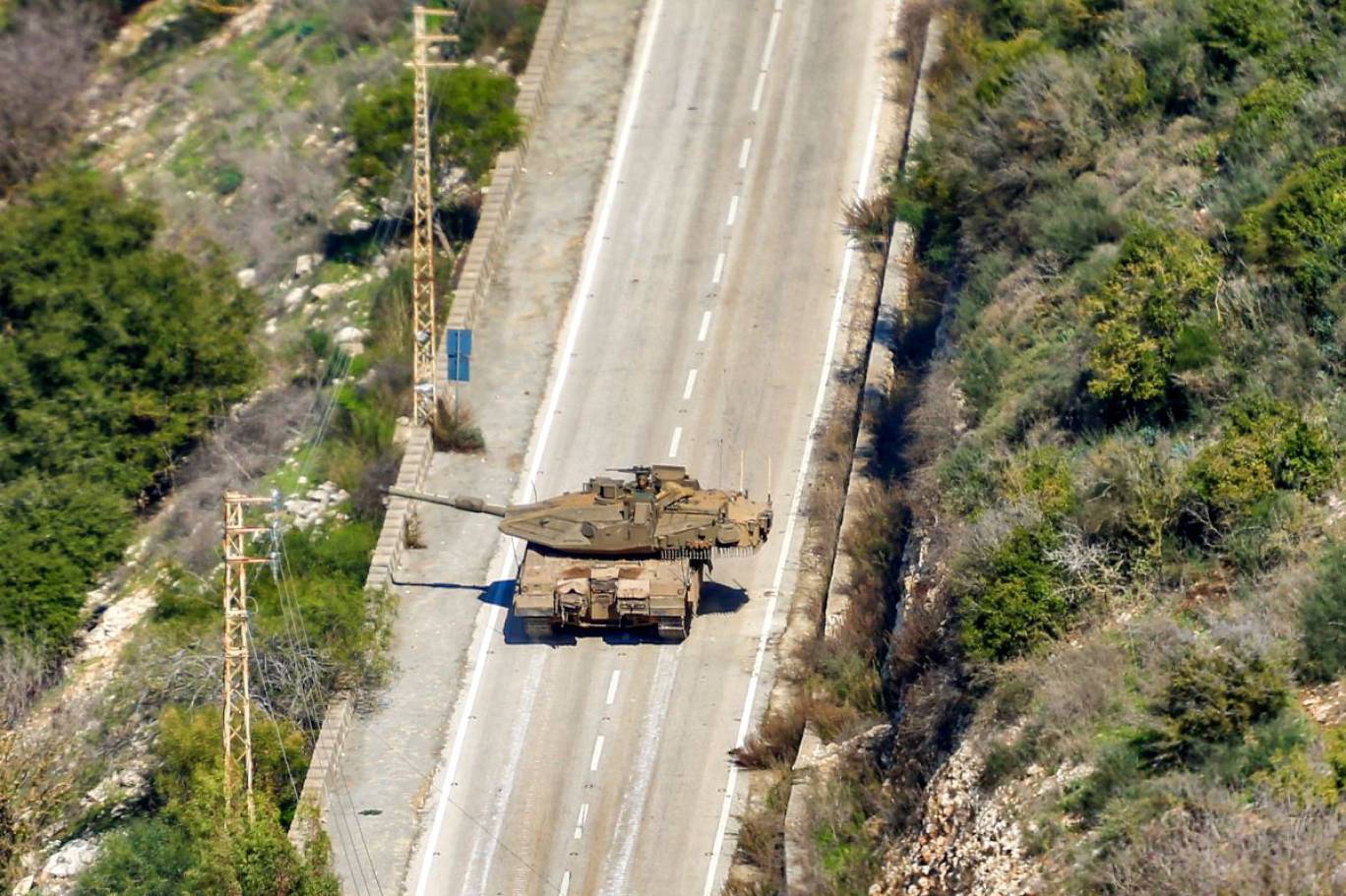
Israeli affairs expert Shadi al-Sharafa argues that the escalation is also a message to Washington: Israel refuses to commit to the U.S.-Iran deal and uses the Lebanese front as leverage in nuclear and missile negotiations. He notes that indiscriminate bombardment reflects a retaliatory approach after heavy battlefield losses, consistent with Netanyahu’s strategy since October 2023 in Gaza and Syria.
The upcoming negotiations are seen in Tel Aviv not as a path to ceasefire but as a way to evade obligations while buying time until elections. Analysts believe Netanyahu cannot risk ending the war or withdrawing from Lebanon before the vote, fearing political collapse. Meanwhile, the toll of Israel’s offensive continues to rise: 3,980 killed, over 12,000 wounded, and more than one million displaced, according to Lebanon’s health ministry.
No comments yet. Be the first to share your thoughts.