Negotiating the Iranian Way: Why Did the American Negotiator Cry at the Table?
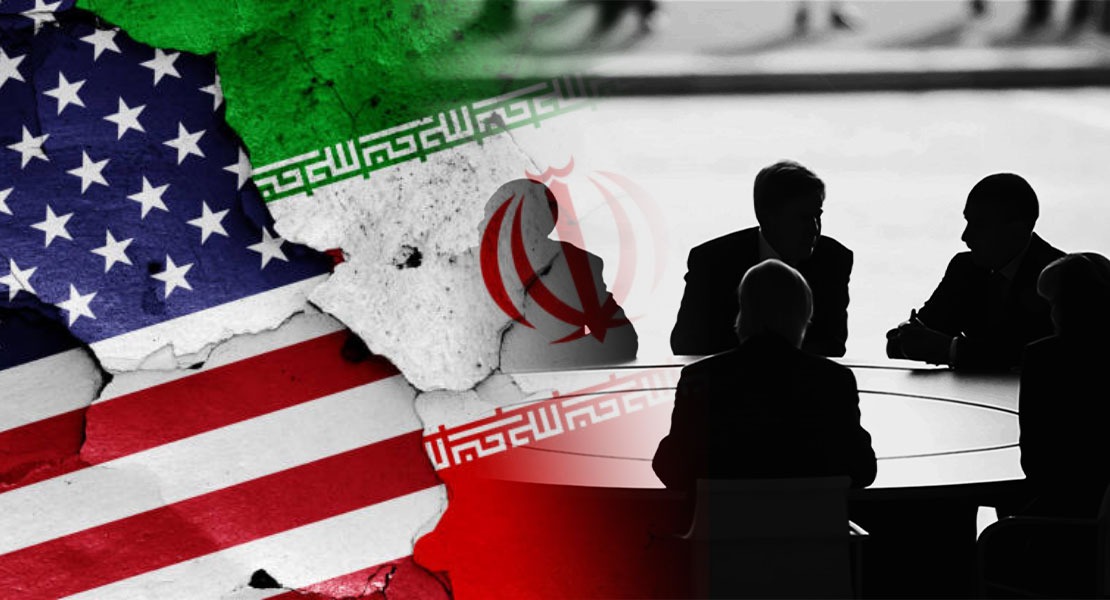
This article explores Iran’s distinctive negotiation style, marked by patience and endurance, through the story of American negotiator Wendy Sherman’s tears during the 2015 talks, revealing a mindset shaped by history, politics, and prolonged strategic bargaining.
Between the weaving of Persian carpets and the corridors of complex politics, there exists a subtle thread that Iranians skillfully handle with long patience and endurance. This ability became clearly visible in the final hours of the 2015 nuclear agreement, particularly when American negotiator Wendy Sherman broke down in tears under intense pressure.
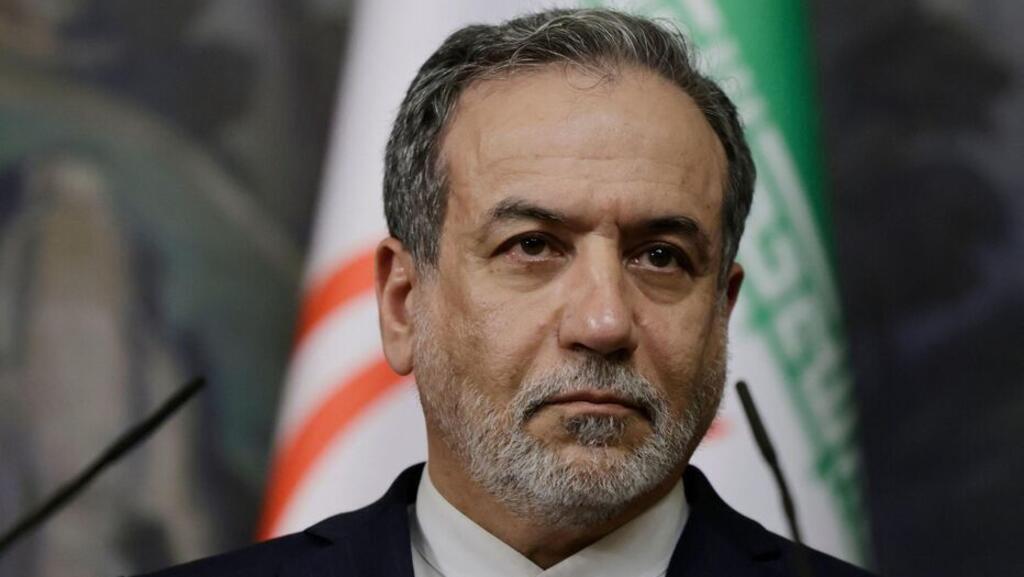
In her memoirs, Sherman recounts that her Iranian counterpart, Abbas Araghchi, after two years of exhausting negotiations, unexpectedly reopened an issue that had already been settled. As the talks neared their conclusion, tensions escalated dramatically, pushing Sherman into a moment of emotional collapse due to frustration and exhaustion.
She recalls saying angrily: “Enough. We have passed the deadline, Congress is about to go on recess, and you are risking everything we have worked for.” This unexpected emotional outburst led the Iranian side to pause, recognizing the seriousness of the moment. Araghchi later noted in his book The Power of Negotiation that it was the first time he had seen a negotiator cry at the table.
This story is not told for entertainment, but to summarize an Iranian negotiation style based on exhausting the opponent until the very last moment. This approach led former U.S. President Donald Trump to say that Iran “never wins wars, but it never loses negotiations.” Even Henry Kissinger gifted his book Diplomacy to former Iranian Foreign Minister Mohammad Javad Zarif, with a message of clear respect.
This long endurance did not emerge suddenly. It gradually developed after the 1979 revolution, when negotiation became part of the state’s conflict structure rather than a tool for resolution. This was evident in the 444-day U.S. embassy hostage crisis in Tehran, where Iran learned to use time, media, and psychological pressure as negotiation tools.
The approach further evolved during the nuclear dispute between 2003 and 2015, where Western governments changed while the Iranian delegation remained steady, calm, and at times deliberately frustrating, reinforcing the image of a patient negotiator capable of wearing down opponents.
Iranian Culture of Negotiation
Many link this approach to ancient Persian imperial heritage. According to Henry Kissinger in The World Order, the Persian Empire historically viewed itself as a civilizational center, with its ruler titled “Shahanshah” (King of Kings), reflecting supreme authority.
However, this historical link may be somewhat exaggerated. Modern Iranian national identity took shape in the 20th century under the influence of European nationalism. More importantly, today’s Iranian worldview is shaped not only by imperial pride but also by a deep sense of historical grievance and foreign intervention.
After 1979, negotiation became embedded in state strategy. It evolved through key events such as the hostage crisis, the Iran-Contra affair, and negotiations ending the Iran-Iraq war, culminating in the nuclear talks that defined this approach globally.
This strategy also draws on religious and cultural symbolism emphasizing resistance and endurance against what Tehran calls “global arrogance.” Figures such as Imam Hussein symbolize sacrifice and steadfastness, while Imam Hassan represents pragmatic compromise when necessary.
Characteristics of Iranian Negotiation
Foreign Minister Abbas Araghchi describes Iran’s approach in The Power of Negotiation as a “bazaar style” negotiation—continuous bargaining requiring patience, repetition, and persistence. It is often compared to carpet weaving, a process that takes years of careful work.
According to Araghchi, repetition is a core principle: repeat, insist, adjust, and persist until the objective is achieved. Negotiation resembles a battlefield where minor mistakes can be costly.
Former British Foreign Secretary Jack Straw reportedly described Iranian negotiators as extremely difficult, comparing them to a car seller who sells you a vehicle and later reveals missing parts that must be negotiated separately.
Wendy Sherman also noted in her memoir Not for the Faint of Heart that Iranians reacted strongly to accusations of deception, yet she described their style as resembling a Rubik’s Cube—changing one side disrupts the entire structure.
She explained that the nuclear deal consisted of interconnected issues such as centrifuge limits, sanctions relief, and verification mechanisms, where changing one element required recalculating everything else.
Negotiation sessions often lasted until dawn, with lawyers debating every single word. Nothing was considered final until everything was finalized.
Iranians are known for exhausting opponents through detail-oriented discussions and last-minute pressure, both inside and outside the negotiation room through political and media dynamics.
Internal divisions are also used strategically, with hardliners and moderates sending mixed signals to increase leverage and create ambiguity.
Araghchi emphasizes the importance of psychological understanding in negotiation, advising controlled emotional expression only when strategically necessary. Sherman similarly noted that some emotional reactions were calculated rather than spontaneous.
Time as a Negotiation Weapon
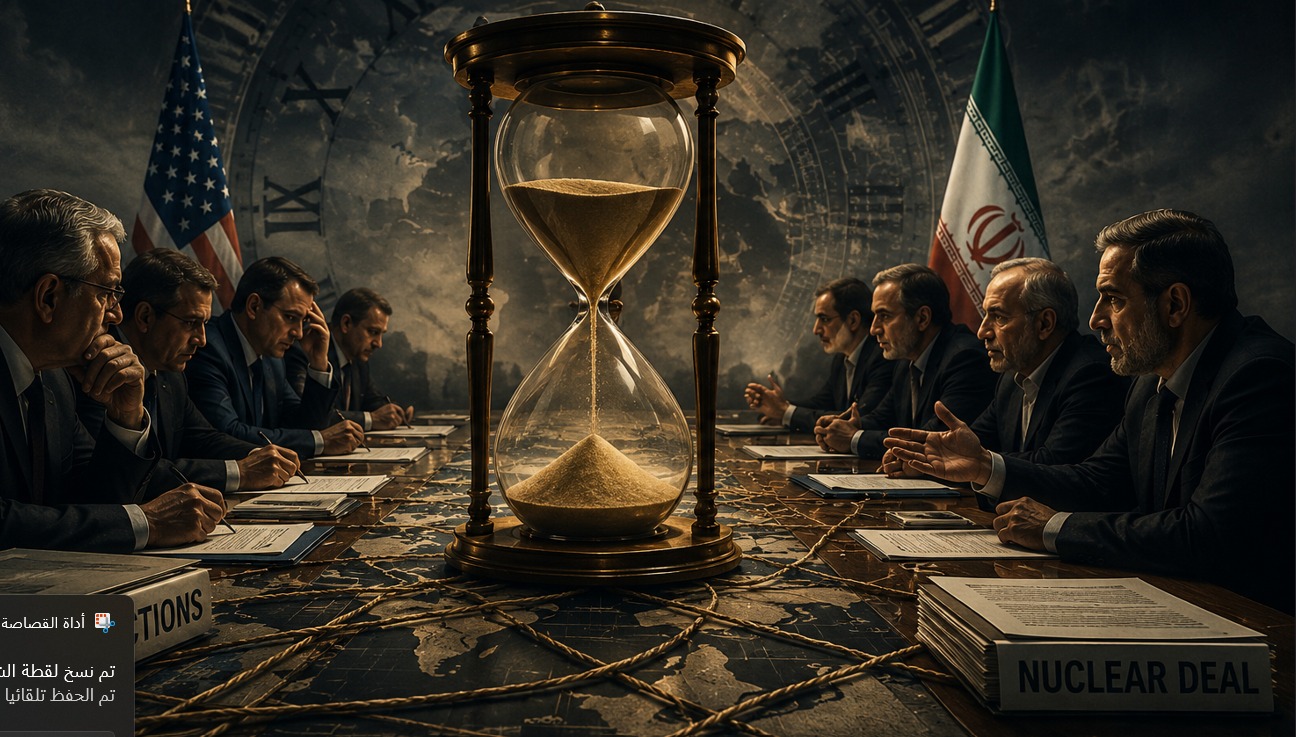
In traditional diplomacy, time is a framework. In the Iranian model, it is a tool. Strategic patience allows Iran to wait for favorable political or electoral conditions in its counterpart’s system.
Iran often times negotiations around U.S. elections, anticipating political shifts. Meanwhile, American officials frequently complain about delays and lengthy travel for minimal progress.
Araghchi argues that delay is sometimes a political necessity in complex negotiations lasting years, with Iranians not feeling the same urgency as their counterparts.
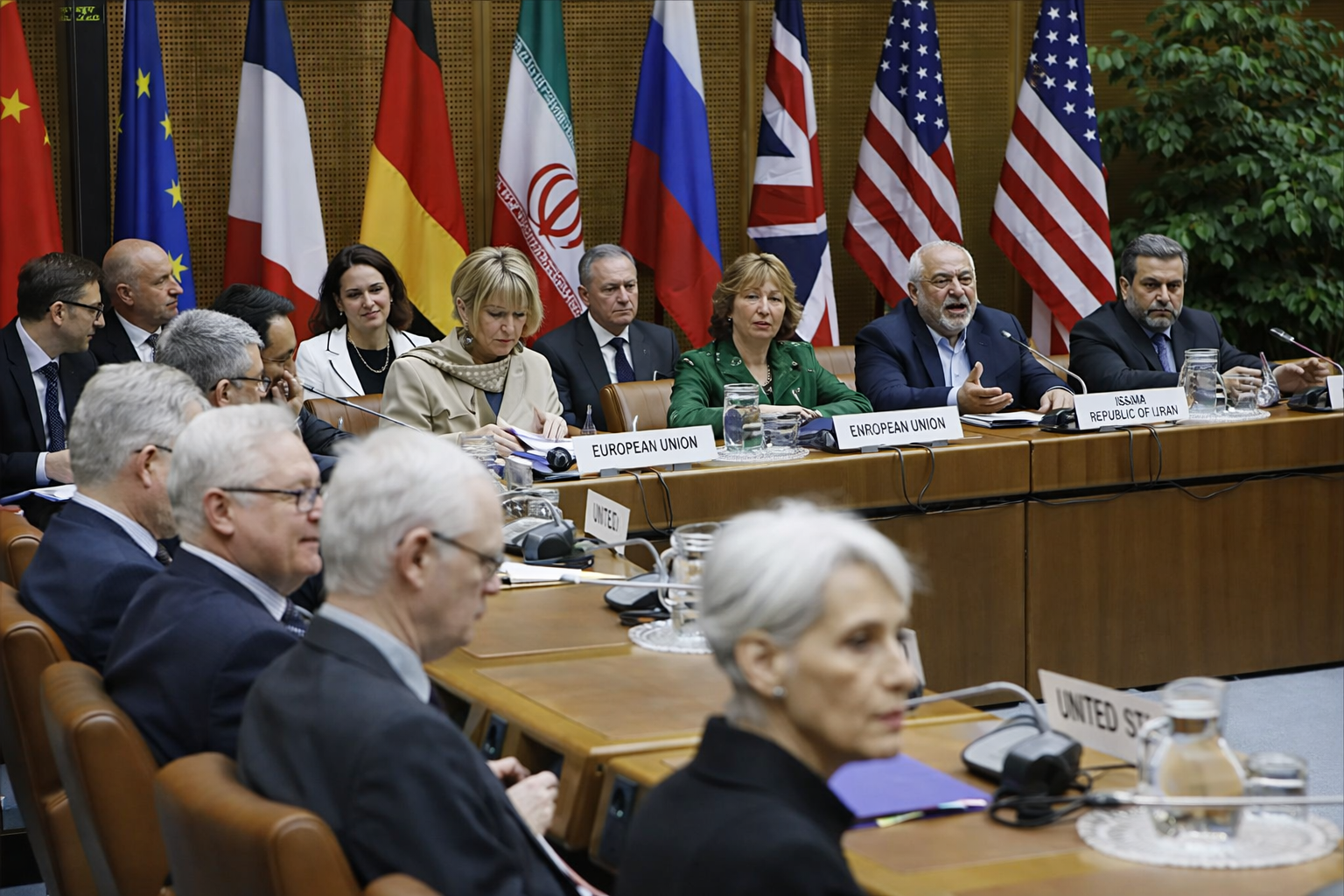
Vienna became a historic example, hosting one of the longest continuous diplomatic negotiations in modern history. U.S. Secretary of State John Kerry reportedly stayed 18 consecutive days in one location to finalize the deal.
Trita Parsi explains that manipulating deadlines was part of the strategy: initial high demands gradually softened, pushing real compromise to the final moments.
Iran capitalized on this, while the U.S. side faced intense domestic political pressure limiting flexibility.
Mohammad Javad Zarif summarized the dynamic by noting that both sides would be punished politically if they conceded under deadline pressure, making extension the preferable option.
At the peak of exhaustion, statements like “our eyes were bleeding” reflected the psychological strain before the final agreement was reached.
During negotiations with the Trump administration, Iran again used time as leverage, combining economic pressure with strategic patience, while the U.S. responded with countermeasures.
Despite this, Iran maintained its approach, eventually securing favorable terms due to the urgency of its counterpart.
Even the timing of announcements and signatures became a strategic tool for shaping political narratives on both sides.
Political Realism Behind Revolutionary Rhetoric
Despite its revolutionary rhetoric, Iran has engaged in pragmatic negotiations across multiple issues. History includes covert communications with the United States despite public hostility.
A notable example is the Iran-Contra affair in the 1980s, alongside early secret nuclear negotiations before their public announcement.
Unacknowledged coordination has also occurred in regional crises, while public discourse remained confrontational.
Iran carefully manages symbolic politics—avoiding direct meetings, refusing photographs, and using intermediaries—to maintain its public image while negotiating pragmatically behind the scenes.
Between Reputation and Reality
Despite its strong reputation, Iranian diplomacy has faced failures and internal constraints. Iran experienced military conflicts during sensitive negotiation periods, reflecting the limits of diplomacy.
Zarif’s memoirs reveal internal power struggles and institutional constraints on diplomats, showing that decision-making often lies beyond their full control.
He has also threatened resignation multiple times due to political tensions and limited autonomy.
Nevertheless, reputation itself remains a powerful asset, shaping opponents’ expectations and influencing negotiation dynamics.
Ultimately, Iran’s negotiation strength is not based on a “magic formula,” but on treating negotiation as an extension of conflict rather than a quick resolution mechanism.
Over time, patience has become part of Iran’s diplomatic identity—often perceived as strategic brilliance, even when it is simply the ability to endure longer than its counterparts.

No comments yet. Be the first to share your thoughts.