
Israel is moving to widen its military escalation in Lebanon by targeting Beirut’s southern suburb, alongside occupying more areas in southern Lebanon, destroying towns and villages, and displacing residents. This step may affect efforts to contain regional tensions.
Prime Minister Benjamin Netanyahu and Defense Minister Yisrael Katz announced Monday that they instructed the army to carry out strikes in the southern suburb, marking the first such attack since the April ceasefire agreement. This development followed additional Israeli army losses from Hezbollah’s assault drones. Axios reported that Israel sought U.S. approval for broad strikes in Beirut.
Commenting on the latest developments, military and strategic expert Brigadier General Hassan Jouni said Israel’s decision aims to achieve three field and political objectives:
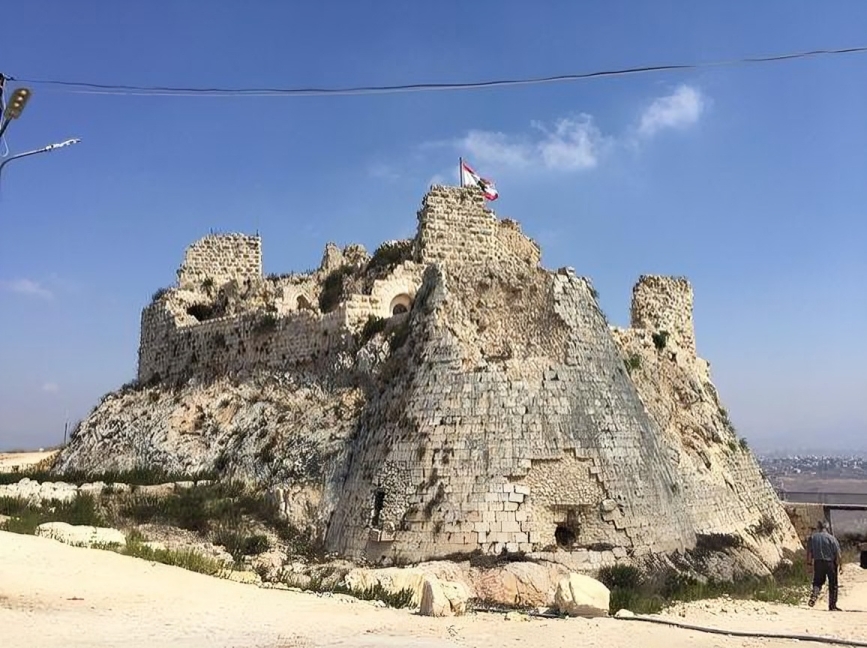
1. Exploiting “field and psychological superiority” after seizing the strategic Shaqif Castle, which grants occupying forces wide monitoring and control over movement and supply lines across southern Lebanon.
2. Responding to Hezbollah’s expanded fighting by targeting northern settlements, which the Israeli army considered a breach of the “rules of engagement” that had confined battles to southern Lebanon.
3. Transferring the crisis to the Lebanese state and society, as striking the southern suburb shifts the conflict from Hezbollah and its base to the broader Lebanese state and diverse communities. The suburb neighbors the airport, government institutions, the presidential palace, and mixed-population areas.
Jouni added during Al Jazeera’s military analysis segment that occupying the castle highlights what Israel sees as weakness in Lebanon’s state, Hezbollah, and its support base, pushing the army toward greater offensive momentum.
Political Objective
Regarding field operations, Jouni stressed that Israel’s expansion toward Nabatieh, Iqlim al-Tuffah, and Zahrani, along with bombing the suburb, will pressure Hezbollah to use more force to maintain deterrence, or face a difficult position.
On Al Jazeera’s interactive map, Abdelkader Arada explained that Israeli escalation includes continuous raids across multiple fronts, targeting various districts in the south, and issuing evacuation warnings, notably a new order for seven villages in Sidon district.
On May 31, 2026, the Israeli army announced full control of Shaqif Castle, a historic fortress on a commanding height over 700 meters, after clashes supported by heavy firepower. The castle holds major geopolitical importance, overlooking the Litani River and key routes in Nabatieh and Marjayoun, as well as the Metula settlement less than 4 km away, enhancing operational and intelligence value.
This military advance was accompanied by intense Israeli media promotion, with the army raising its flag and the Golani Brigade’s flag on the castle for the first time in 26 years. Analysts saw this as an attempt to exploit psychological and moral superiority.
No comments yet. Be the first to share your thoughts.