Migrants to Europe: Why Do They Migrate, How Many Are They, and How Needed Are They?
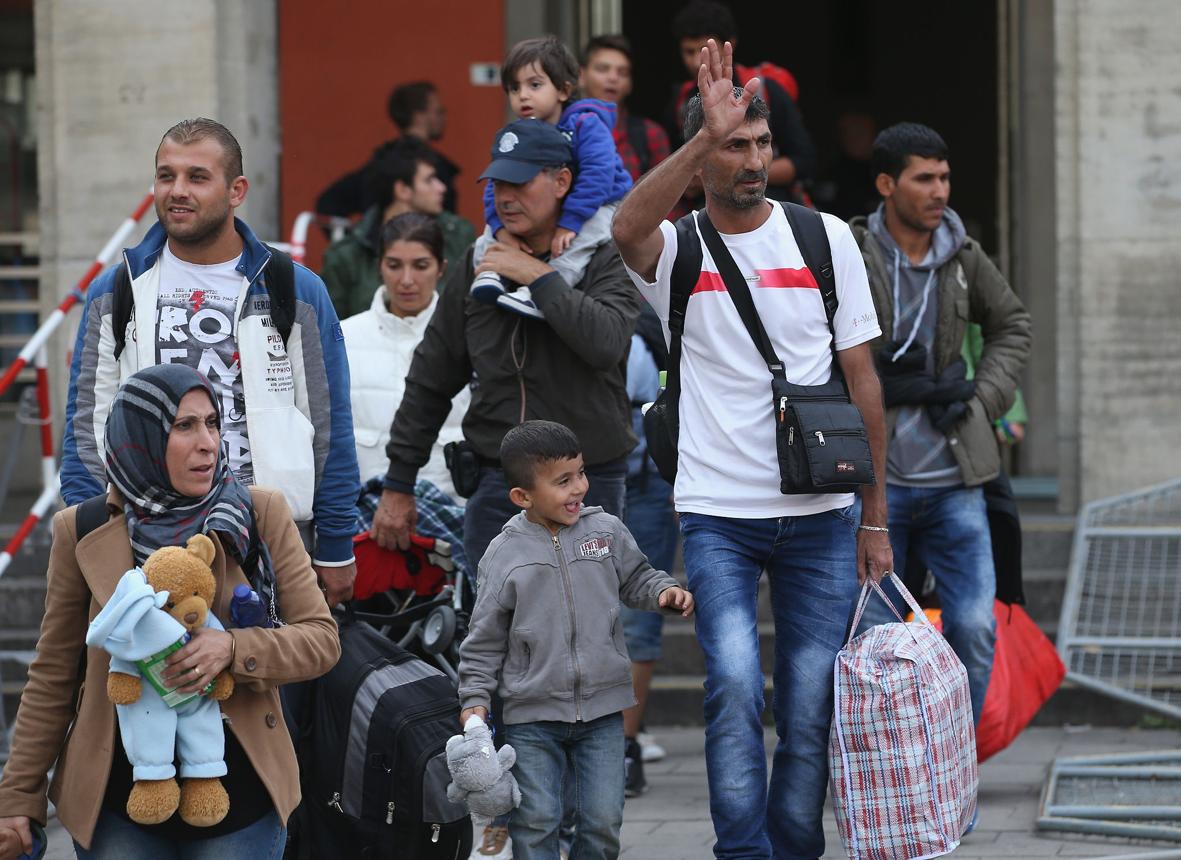
Day by day, the number of people leaving their countries for others increases, either out of fear or hope. Some seek a better life, while others simply want to escape their reality, regardless of the quality of the alternative or even the possibility of reaching it.
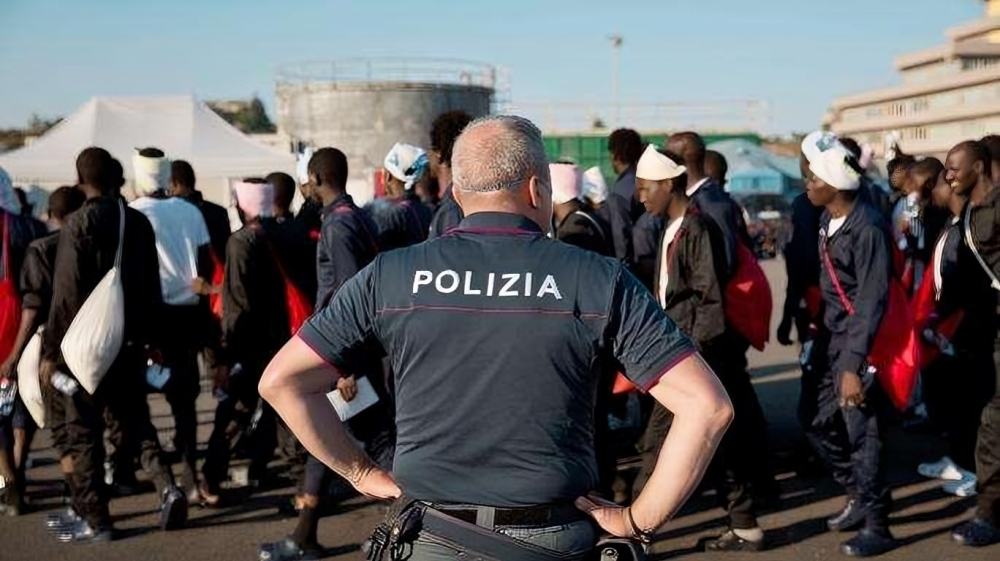
A UN report states that 8,000 people died or went missing on migration routes last year, raising the total number of victims to more than 80,000 since 2014.
Despite this, migration waves do not stop, nor do they heed the dangers of the sea or the risks of death. When the land becomes too narrow for its people, alternatives seem easier, and risk becomes destiny.
The total number of migrants reached 304 million in 2024, according to the International Organization for Migration. Europe was the preferred destination, hosting 94 million, compared to 92 million in Asia and 61 million in North America.
Because it is the first and preferred destination, today’s focus is on Europe, specifically the European Union, which includes 27 member states.
While voices in Europe have risen in recent years rejecting or warning against migration, one of the strongest responses came from the British newspaper The Guardian. Writer George Monbiot summarized the situation in his article title: “The facts are clear: Europe must open its doors to migrants, or it will face inevitable extinction.”
Why Do They Migrate?
The short answer lies in the earlier paragraph mentioning 80,000 deaths and disappearances since 2014. What drives people to migrate despite such risks?
As an Egyptian proverb says: “What threw you into bitterness? Something more bitter.”
In reality, migrants can be divided into two groups: those forced by circumstances such as wars, famine, or insecurity, and those seeking or hoping for a better life.
Reasons include:
Economic reasons: jobs, higher wages, better living standards.
Security and political reasons: escaping wars, persecution, or human rights violations.
Social and religious reasons: family reunification, freedom of belief and expression.
Educational reasons: access to prestigious universities, research opportunities.
Europe is gradually moving toward accepting migration and recognizing its need, while seeking better integration policies.
The Rockwell Berlin Institute in Germany issued a report with striking figures:
Migrants in the EU reached 64.2 million in 2025.
Increase of 2.1 million compared to 2024.
In 2010, the number was only 40 million.
Top EU Countries Hosting Migrants (2024)
Germany: 18 million (up from 10 million in 2010).
France: 9.6 million.
Spain: 9.5 million, with 700,000 new arrivals in 2025 alone.
Italy: 6.9 million (up from 4.6 million in 2010).
Other 23 EU states: 20.4 million combined.
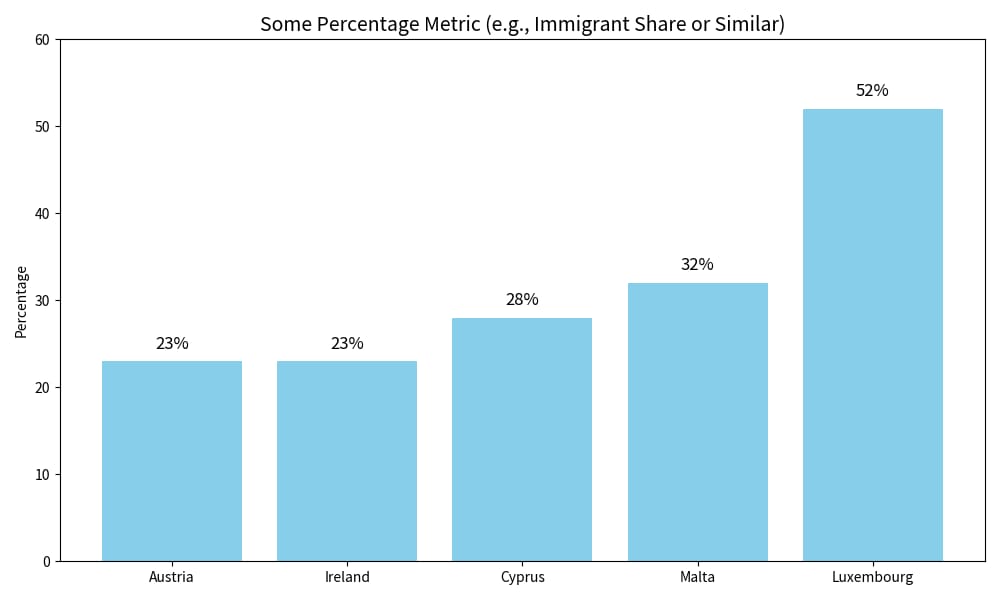
Countries with High Migrant Ratios
Luxembourg: 52% of population.
Malta: 32%.
Cyprus: 28%.
Ireland: 23%.
Austria: 23%.
Germany: 21%.
Sweden: 20%.
Belgium: 20%.
Spain: 19%.
Estonia: 18%.
Netherlands: 17%.
Slovenia: 16%.
EU average: 14%.
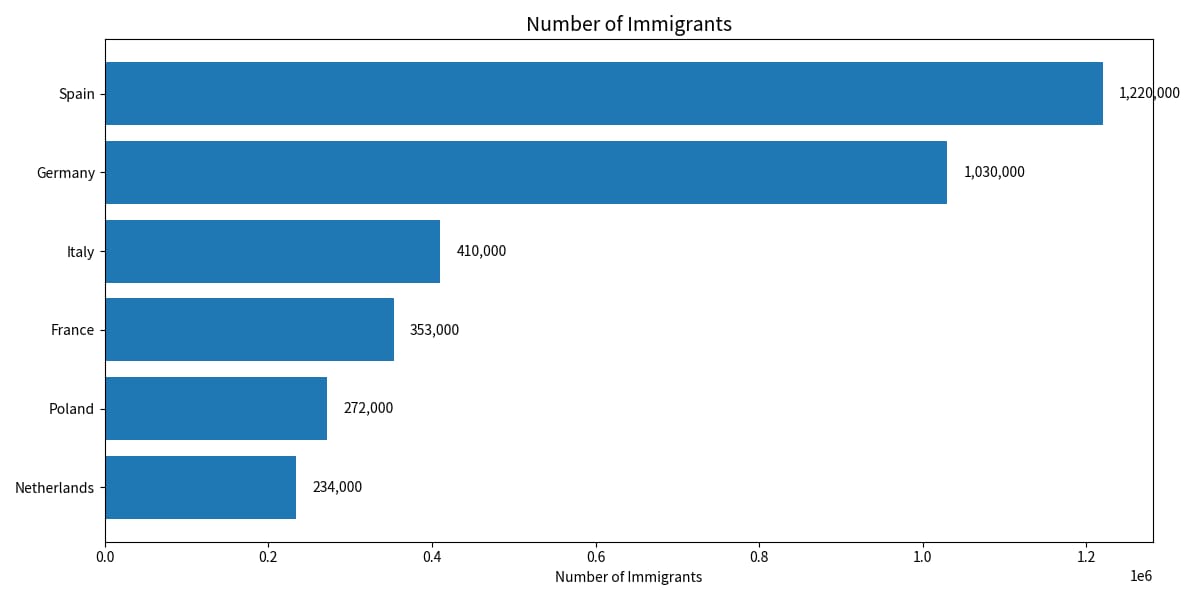
Main Destinations in 2024
Spain: 1.22 million.
Germany: 1.03 million.
Italy: 410,000.
France: 353,000.
Poland: 272,000.
Netherlands: 234,000.
Do Host Countries Benefit?
George Monbiot argued in The Guardian: “Without migration, there will be no Europe, no civilization.”
He explained that Europe’s declining fertility rates mean demographic collapse unless migrants are welcomed.
The i Paper added: Britain’s real crisis is not migration itself but population decline and aging, making migrant labor essential for sustaining taxes and public services.
Europe’s Demographic Challenge
EU population in 2025: 450 million (5.7% of world).
In 1950: 12.9% of world.
Projected 2070: 3.7%.
Since 2012, deaths have exceeded births annually.
Europe needs 2 million migrants per year; EU plans to admit 1.2 million annually until 2030.
Reverse Migration Trends
A German study revealed that 20% of residents consider leaving Germany, including 34% of those with migrant backgrounds. Reasons include better living standards abroad and escaping racism or discrimination.
Conclusion
The Global Migration Report 2026 calls for safe, regular migration pathways, stressing that restrictions only push migrants into dangerous routes.
IOM Director General Amy Pope emphasized migration’s role in job creation, economic growth, and social cohesion. She noted that cooperation at regional and global levels improves migration management and public trust.
Europe, once a source of mass displacement after WWII, is now a magnet for migrants. The continent must remember its own history: migration rebuilt it once, and today it may be the only way to sustain its future.

No comments yet. Be the first to share your thoughts.