Lebanon-Israel Negotiations Amid Ongoing Clashes with Hezbollah
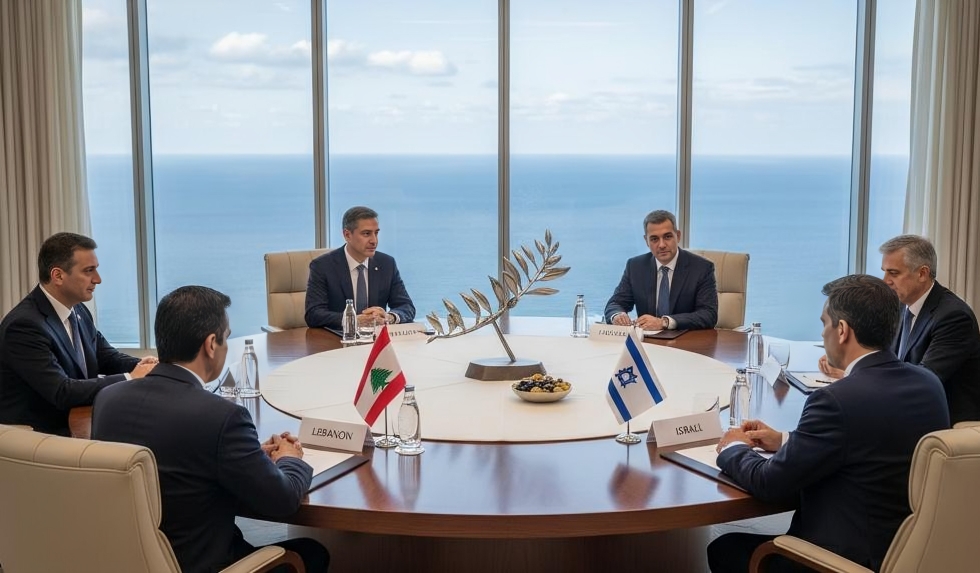
Despite continued clashes between Israel and Hezbollah, Lebanon and Israel hold direct talks in Washington, with experts doubting their chances of success.
Retired Brigadier General Ali Abi Radd, a military and strategic expert from Beirut, told France24 that the fourth round of direct negotiations between Lebanon and Israel in Washington may face the same fate as previous rounds. He explained that Israel and the U.S. insist on imposing realities rejected by Beirut, which—like Hezbollah—demands full withdrawal from southern territories and a comprehensive ceasefire before any agreement.
Talks resumed Tuesday and continued Wednesday in Washington, marking the fourth round since the war began in early March. Hezbollah opposes direct negotiations, while Lebanese President Joseph Aoun said “negotiation is safer than war” and insisted Lebanon faces “harsh Israeli aggression.” The Lebanese embassy in Washington confirmed Hezbollah’s approval of the U.S. proposal for mutual cessation of attacks.
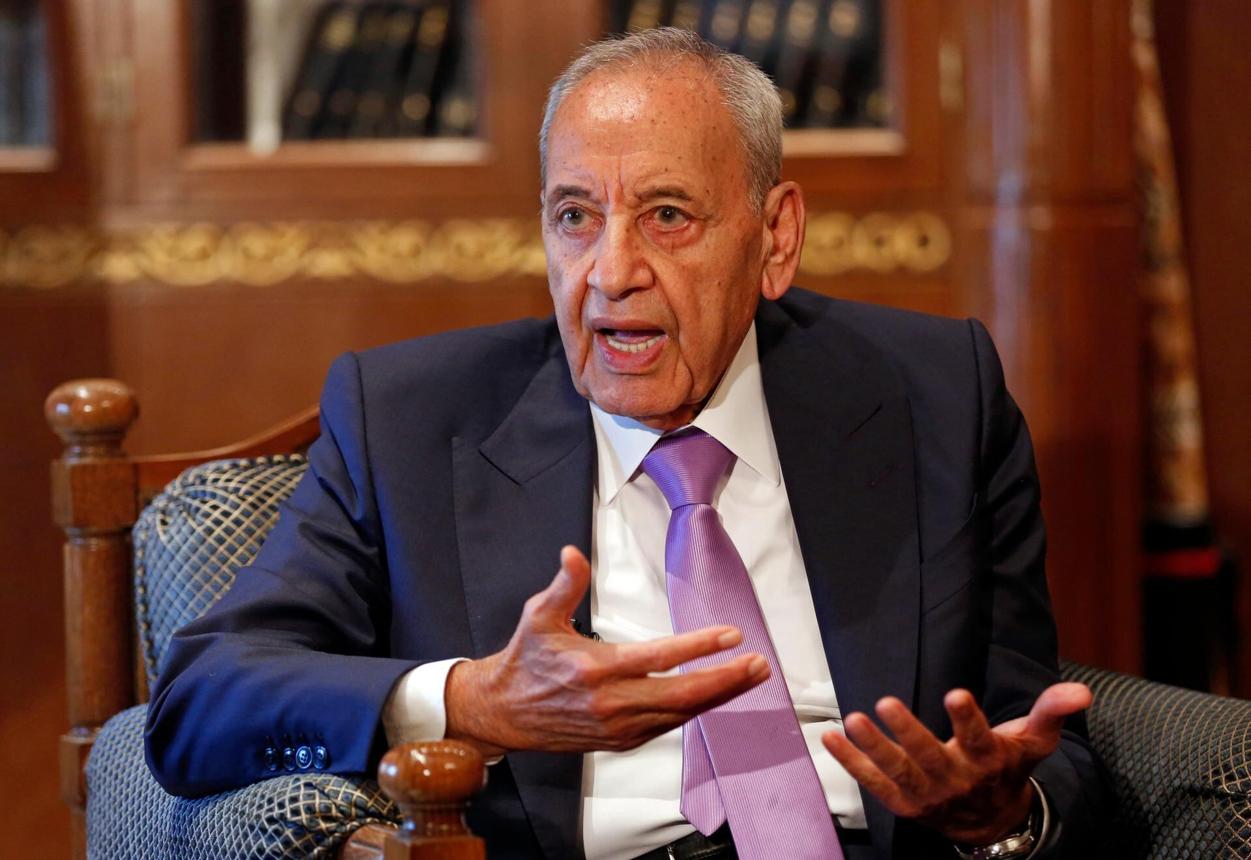
Speaker of Parliament Nabih Berri, acting as mediator, called for a “comprehensive” ceasefire to ensure Hezbollah’s commitment, meaning halting bombings and demolitions in the south. Israeli Prime Minister stated that under the proposed arrangement, strikes on Beirut’s southern suburb would stop in exchange for Hezbollah halting attacks, with the ceasefire extended to all Lebanese territory.
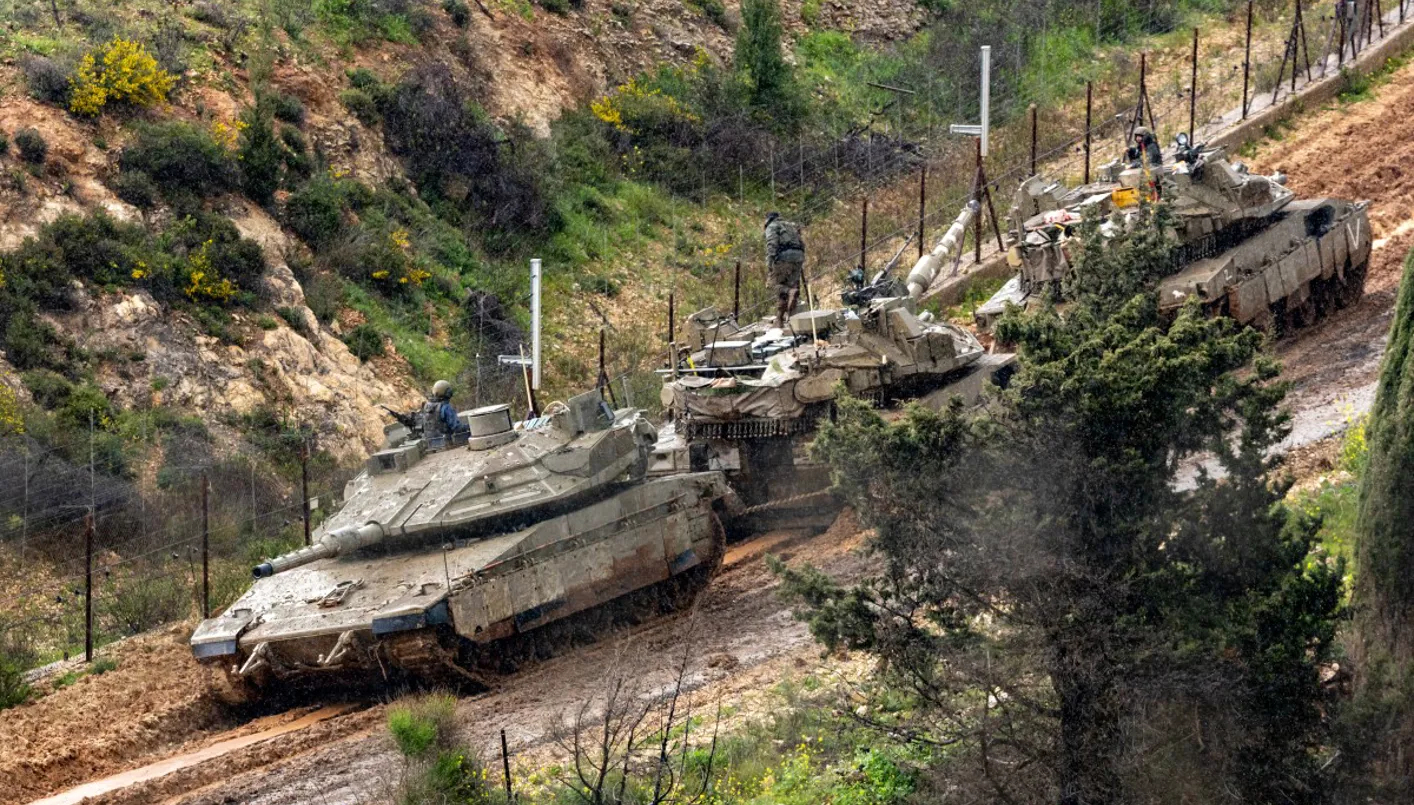
U.S. Secretary of State Marco Rubio said peace could be achieved “as soon as tomorrow” if not for Hezbollah’s obstacle. A Hezbollah official told AFP the group rejects any “partial agreement.” Meanwhile, Israel continued airstrikes in southern Lebanon as Hezbollah resisted incursions.
Abi Radd explained that Israel’s demands have escalated, seeking Lebanon’s explicit commitment to disarm Hezbollah and establish joint operations rooms, linking withdrawal to eliminating resistance. Lebanon insists on withdrawal and ceasefire first, then discussing arrangements such as army deployment and exclusive state control of arms. He doubted any outcome from this round.
He added that Israel seeks a security belt 5–6 km deep in southern Lebanon, which Lebanon rejects. Netanyahu’s threats of striking Beirut’s southern suburb preceded talks, aiming to pressure Lebanon. Berri clarified that without a comprehensive ceasefire and withdrawal, negotiations are pointless. Hezbollah MP Hassan Fadlallah reiterated that resistance is not an obstacle but demands full Israeli withdrawal and ceasefire.
Regarding implementation, Abi Radd noted the need to update the U.S.-led mechanism committee monitoring ceasefire and disarmament, though France has been sidelined despite its positive role. Over 15,700 Israeli violations were recorded in 15 months without condemnation, with blame often directed at Lebanon’s army.
He stressed that the U.S. is the guarantor of Israel, citing Trump’s intervention urging Netanyahu not to strike Beirut. France and other European states, including Italy, Spain, and the UK, expressed readiness to join an international force to monitor borders and ceasefire, though details remain unclear.

No comments yet. Be the first to share your thoughts.