
Talks between the United States and Iran have entered what observers describe as the “final stretch,” with growing indications of a temporary political framework rather than a comprehensive agreement. According to the New York Times, the memorandum of understanding would serve to contain the current crisis and pave the way for broader negotiations on Iran’s nuclear program and related security issues.
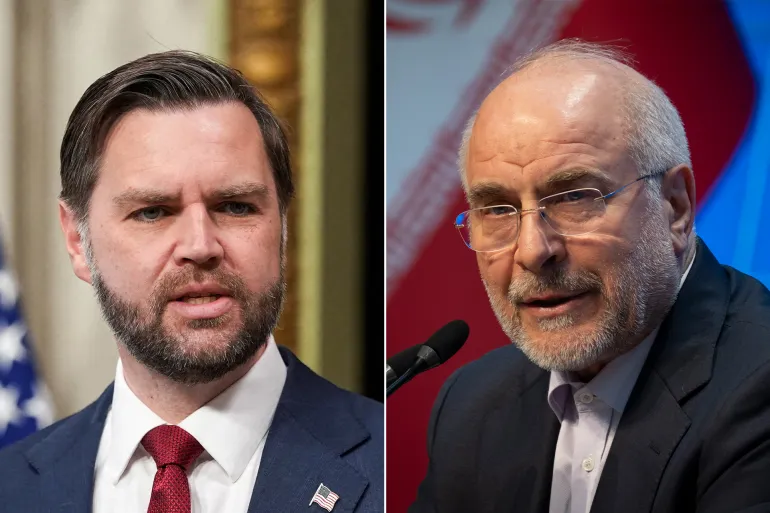
Reuters reported that the draft could be signed as early as Sunday in Geneva by U.S. Vice President J.D. Vance and Iranian Parliament Speaker Mohammad Bagher Ghalibaf. Sources said the draft includes U.S. plans to release billions in frozen Iranian assets and ease sanctions on oil exports in exchange for reopening the Strait of Hormuz. Nuclear issues would be discussed over a 60-day period, with possible compensation for war damages and dropping demands to restrict Iran’s missile program. A U.S. official, however, denied these details, insisting no funds would be released until Iran complies, and that Tehran agreed to halt financing groups Washington deems terrorist.
Bloomberg added that the U.S. and allies aim to restore shipping through Hormuz within a month of any deal, though mines may complicate the effort. Britain and France are preparing to assist in clearance operations. Israel, meanwhile, expects freedom of action against perceived threats and demands removal of highly enriched uranium from Iran.
American officials, including Secretary of State Marco Rubio, Defense Secretary Pete Hegseth, Jared Kushner, and White House Chief of Staff Susie Wiles, have been engaged in intensive diplomacy. One senior official estimated the chances of a deal at 80–85%, though hardliners in Iran remain opposed.
Iranian reactions have been mixed: conservative media framed the talks as a victory, while officials were more cautious. Foreign Minister Abbas Araghchi said the likelihood of agreement is higher than ever, but no final decision has been made. State TV claimed the U.S. had shown respect for Iranian sovereignty and reported discussions on releasing $24 billion in frozen funds, sanctions relief, and nuclear issues, while stressing Iran would not transfer nuclear materials abroad.
For Washington, sanctions remain central. The Wall Street Journal noted Trump’s anger at leaked drafts suggesting concessions to Iran. U.S. officials insist relief will only follow concrete steps: dismantling nuclear sites, ending enrichment, and halting funding for proxy groups like Hezbollah. Such measures could deliver a major boost to Iran’s struggling economy.
Regional mediators have played key roles. Pakistan’s foreign minister welcomed progress, while Qatari diplomats reportedly convinced Trump to cancel planned strikes after presenting a new draft agreement in Tehran. Despite optimism, final signature remains uncertain, as past efforts collapsed at the last stage. The coming days will determine whether this round truly marks a breakthrough.
No comments yet. Be the first to share your thoughts.