
According to reports from Tehran, the parliament has classified the draft law as “urgent,” ensuring rapid debate and approval. Around 250 lawmakers attended the session, where the proposal was introduced under the supervision of the National Security and Foreign Policy Committee. Once passed, the law will obligate the government, military, and officials to enforce Iran’s authority over the strait.
The legislation outlines measures for managing maritime traffic, defining passage corridors, and collecting fees for services and transit. Analysts note that this move reflects Iran’s determination to counter U.S. pressure, especially after Washington reimposed a naval blockade on Iranian ports and launched strikes on over 300 targets, including Bandar Abbas. President Trump has demanded a 20% levy on shipments for “protection,” while Iran responded by closing the strait to U.S.-linked vessels and striking American military sites.
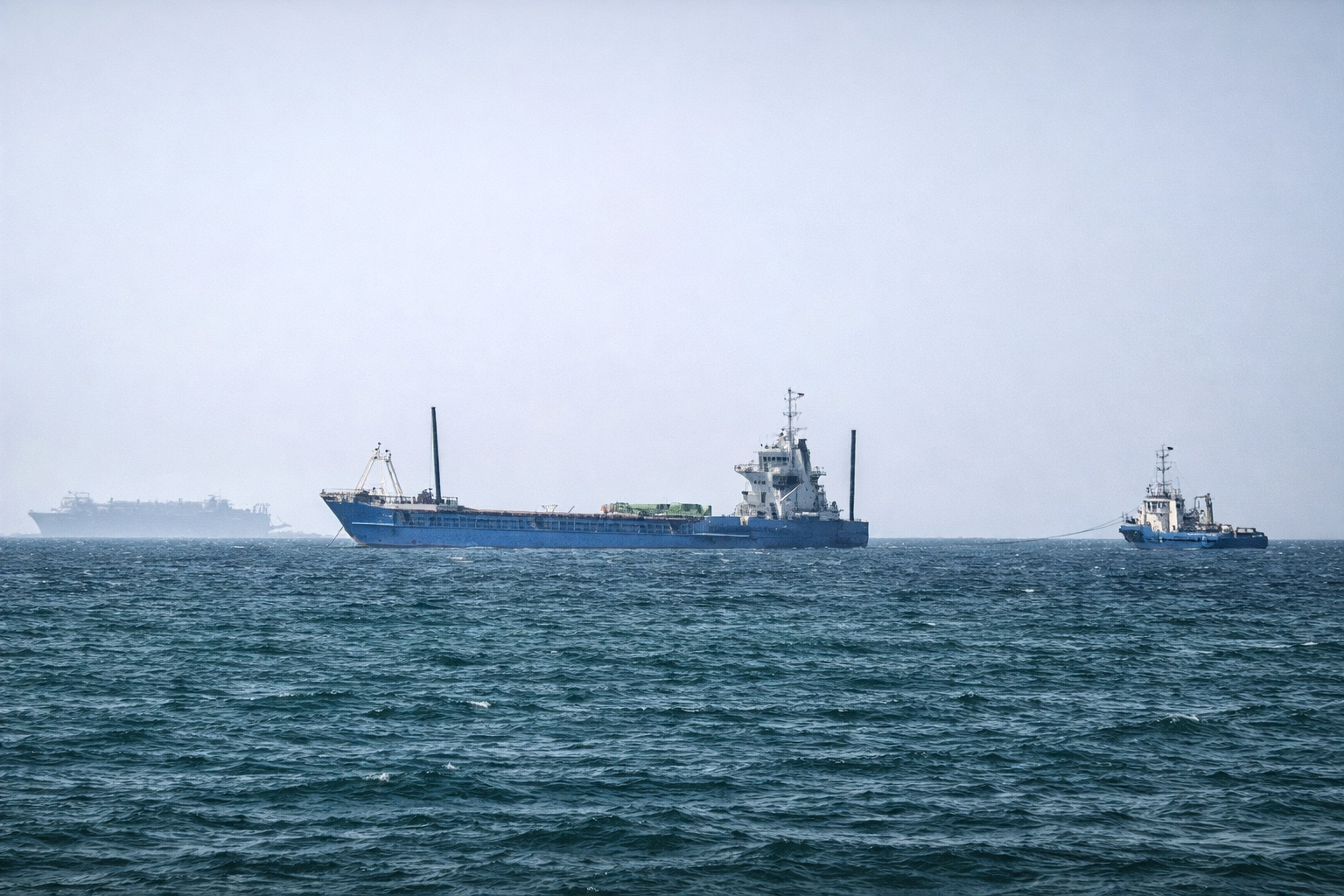
Observers describe the situation as a “siege versus closure” standoff, with both sides escalating militarily and politically. Iranian officials argue that the law is essential to safeguard sovereignty and prevent foreign forces from dictating navigation routes.
Timeline for Approval The bill could be finalized within two to four weeks if uncontested. Given the conservative majority in parliament, disagreements are expected only over negotiation tactics, not the core principle of Iran’s right to manage the strait.
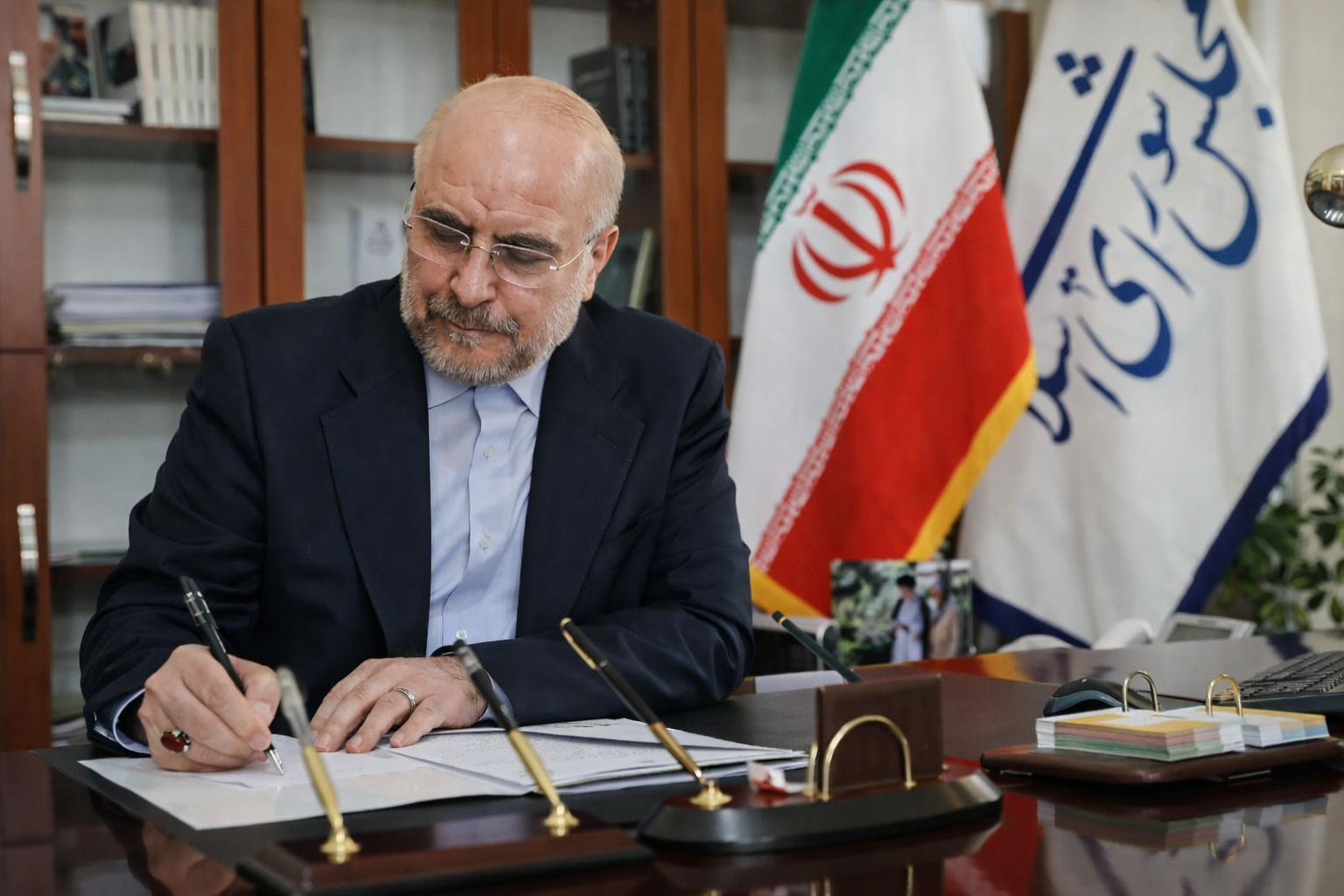
Strategic Context Iran accuses Washington of attempting to establish new maritime routes through Hormuz, pressuring Oman to align with U.S. plans. Officials warn that continued American strikes on infrastructure—including ports, fishing docks, and power grids—risk destabilizing global supply chains and energy flows.
Military operations have intensified, with U.S. forces expanding their target list beyond southern bases to include vital infrastructure. Tehran’s leadership frames the law as both a defensive measure and a political signal: Iran is open to dialogue with neighboring states but insists on the removal of foreign military presence from the strait.
No comments yet. Be the first to share your thoughts.