
Tasnim agency reported Monday that Iran’s negotiation team stopped exchanging messages with the United States via mediators after Israeli attacks on Lebanon, while Iran’s armed forces warned Tel Aviv of consequences for escalating military actions.
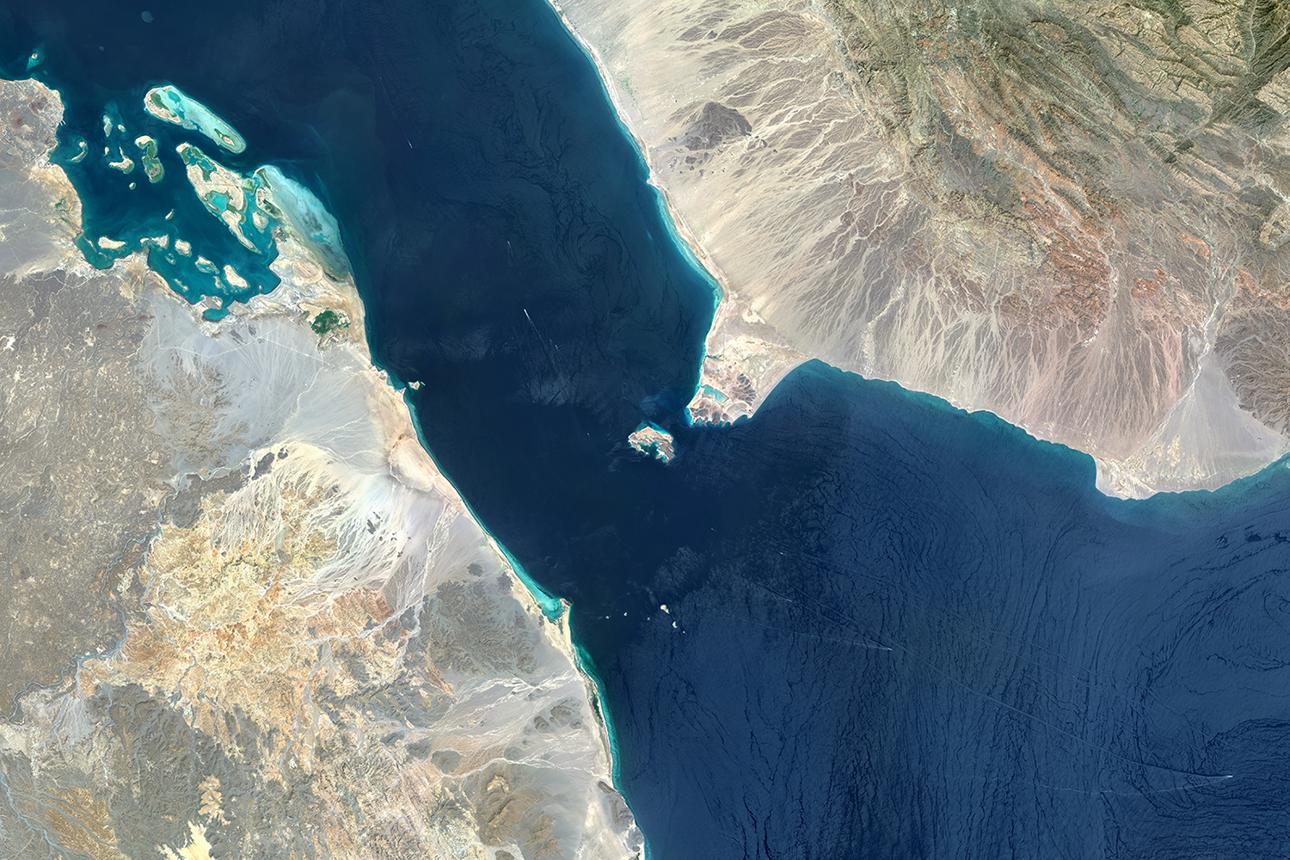
Sources told the agency that Iranian negotiators stressed the need for an immediate halt to military operations in Gaza and Lebanon. They added that indirect talks would not resume until Iran’s and the resistance’s demands were met. They confirmed that “the resistance front and Iran placed on their agenda the activation of other fronts, including Bab al-Mandab Strait.”
Earlier today, Iranian Foreign Minister Abbas Araghchi stated that the ceasefire between Iran and the United States is comprehensive across all fronts, including Lebanon. He added that the U.S. and Israel bear responsibility for any violation of the ceasefire, emphasizing that a breach on any front constitutes a breach on all fronts.
Simultaneously, Iran’s armed forces issued a statement warning that “continued crimes in Lebanon will not be tolerated.” The statement accused Israel of exploiting the ceasefire to commit crimes in Lebanon.
Violation of the Ceasefire
Before Araghchi’s remarks, Iranian Foreign Ministry spokesman Esmail Baghaei said, “The Zionist entity and America are violating the ceasefire,” stressing that Iran will not retreat from steps to protect its security and regional stability. He added in a Tehran press conference that the ceasefire in Lebanon is integral to any comprehensive regional ceasefire, considering Israel’s escalation in Lebanon an attempt to destroy diplomatic prospects.
Baghaei argued that U.S. and Israeli actions are not mere violations but a continuation of war against regional peoples, holding Washington responsible for unconditional support to Tel Aviv and escalating conflict. He confirmed Iran is closely monitoring developments and will take necessary measures to defend its sovereignty, saying Iran is obliged to act if violations persist.
He added that Iranian decision-making centers are studying response options to Israel’s escalation in Lebanon, stressing Tehran’s commitment to supporting Lebanon and the resistance against Israeli attacks. His remarks coincided with Israeli Prime Minister Benjamin Netanyahu’s announcement of strikes on Beirut’s southern suburb.
Hours earlier, U.S. Central Command announced its fighter jets targeted Iranian air defense systems and a ground control station in Goruk and Qeshm Island, claiming Iran had shot down a U.S. drone over international waters.
Negotiations with the U.S.
Regarding indirect negotiations with the U.S. to end the war, Baghaei said their continuation depends on avoiding unilateral conditions from the other side. He explained that contradictory U.S. positions prolong the process, noting that negotiations do not imply trust between parties. He reiterated that no talks on nuclear details are underway, as Tehran focuses on ending the war.
Baghaei highlighted that lifting the U.S. naval blockade on Iranian ports is among 14 items in the memorandum of understanding with Washington. He expressed appreciation for Qatar’s role in negotiations to end the war.
On the Strait of Hormuz, Baghaei said Iran has the right to take measures in this vital waterway to secure its interests, adding that many ships coordinate passage with Iranian armed forces. He noted that a mechanism involving other coastal states will ensure safe passage without harming Iran’s national security.
In parallel, Deputy Foreign Minister said Hormuz has two coastal states, Iran and Oman, both entitled to sovereignty over territorial waters. He stressed Iran is at war and has introduced new systems to control passage, refusing external interference.
The U.S. and Iran exchanged messages via Pakistan containing proposals to reach a memorandum of understanding on key disputed issues, paving the way for negotiations to end the war. President Donald Trump repeatedly spoke of an imminent agreement with Iran, but disagreements over issues such as releasing Iranian funds and the future of Iran’s nuclear program still block a preliminary deal.
No comments yet. Be the first to share your thoughts.