International Warning of “Dark Scenario” for Global Economy if War Prolongs
The OECD warned that prolonged Middle East energy crisis until 2027 could push the global economy into a “dark scenario” with sharp slowdown and rising interest rates.
The Organization for Economic Cooperation and Development (OECD) warned that if the Middle East energy crisis continues until the second half of 2027, the global economy could face a “dark scenario,” including a sharp slowdown in growth and significant interest rate hikes, amid faltering efforts to contain escalation between the U.S. and Iran.
The Paris-based organization said global growth could fall to 2.1% this year and 1.8% next year if energy flows remain disrupted—levels described as extremely low outside major global recessions such as the financial crisis and the COVID-19 pandemic.
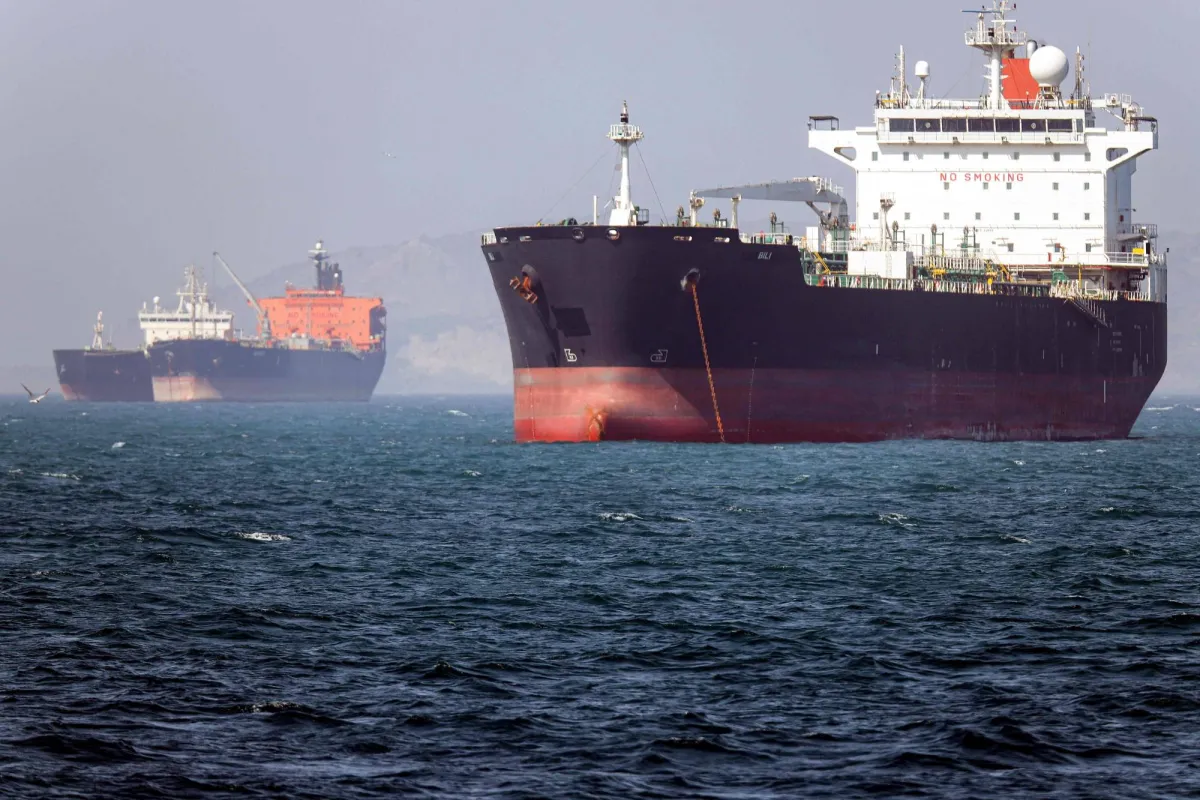
Bloomberg reported that the fate of the global economy is now tied to the Middle East conflict, which has already curbed growth and could lead to recession in some economies and higher inflation if prolonged. The OECD noted that price pressures and weak demand may persist, and possibly worsen even if the Strait of Hormuz reopens, due to supply chain disruptions.
These warnings come as efforts to stabilize fragile calm between Washington and Tehran falter, after an Iranian attack on a U.S. military base in Kuwait in response to American strikes on southern Iran, weakening hopes for an agreement to increase shipping through Hormuz.
Baseline Scenario
In its main scenario, the OECD assumes the crisis could be resolved soon, with energy prices following current futures market levels. Global growth would decline to 2.8% this year from 3.4% in 2025, before rising to 3.1% in 2027. U.S. growth is expected to slow to 2% this year from 2.1% in 2025, while inflation reaches 3.7%, above the Fed’s 2% target but lower than March forecasts of 4.2%. Britain and the U.S. are projected to have the highest G7 inflation at 3.7%. The OECD slightly raised UK growth forecasts for 2026 to 0.9% from 0.7%, with 1.1% growth in 2027. Central banks may keep interest rates unchanged if inflation expectations remain stable.
Extended Shock
The picture darkens if war continues until 2027. The OECD warned this could cause the deepest global slowdown in 40 years outside COVID and the 2009 financial crisis, with global inflation rising 0.4 points this year and 1.3 points in 2027. Chief economist Stefano Scarpetta said the Middle East conflict is now the main force shaping global economic outlook.
In this extended scenario, energy prices would be 50% higher than current futures, with severe shortages in energy products and agricultural and industrial inputs from Gulf economies. The OECD warned shortages could leave lasting scars on potential output, financial markets, confidence, and investment—including AI industries reliant on energy and semiconductors.
Policy Dilemma
The OECD said prolonged disruptions may force major central banks to raise rates by 50–75 basis points to prevent energy shocks spreading, before cutting them again in 2027 if slowdown worsens. Central banks face a dilemma between tightening to curb inflation and avoiding unnecessary harm to activity. Scarpetta said they can ignore supply-driven price rises if inflation expectations remain stable, but intervention may be needed if pressures broaden or growth weakens sharply.
Governments will bear most of the burden through fiscal policy, but limited space due to high debt restricts intervention. Broad energy subsidies could encourage consumption amid shortages. Rising interest rates will strain public finances, especially in weaker economies, limiting discretionary support. If market conditions tighten sharply, some central banks may reconsider reducing sovereign bond holdings and possibly return to quantitative easing or long-term financing tools in the eurozone.

No comments yet. Be the first to share your thoughts.