
The report argues that the economic crisis is not a mere byproduct of political or military conflict but a battlefield in its own right. Just as there are military operations, there are financial and trade policies that function as tools of coercion.
It begins with the fact that the Palestinian economy has never been independent of Israel since 1967. After the Gaza war, the situation shifted from dependency to direct economic strangulation.
Roots of Dependency
The report traces the crisis to Israel’s control over borders, trade, and resources since 1967. The Paris Protocol of 1994 was meant to pave the way for Palestinian economic independence but left Israel in control of customs, trade, and currency. Palestinian banks remain tied to Israeli banks, and the shekel dominates the market.
Gaza War as Turning Point
October 7, 2023 marked a turning point. Israel’s measures extended beyond military action to economic restrictions. Finance Minister Bezalel Smotrich openly linked economic pressure on the Palestinian Authority to preventing a future Palestinian state.
Banking Vulnerabilities
Palestinian banks rely on Israeli correspondent banks for global transactions. Threats to revoke legal guarantees created chronic uncertainty, undermining investment and lending. Modern economies depend on trust and stability, and instability in banking spreads across all sectors.

Clearance Revenues
Israel collects customs and taxes on Palestinian imports and transfers them to the PA. These funds are the PA’s lifeline. Expanded deductions and suspensions have triggered financial crises, affecting salaries, services, and overall economic activity.
Shekel Crisis
Palestinian banks face restrictions on returning cash to Israel, leading to billions of shekels piling up in the West Bank. This raises storage and security costs and pushes businesses toward informal channels, showing how technical issues can cripple daily economic life.
Movement Restrictions
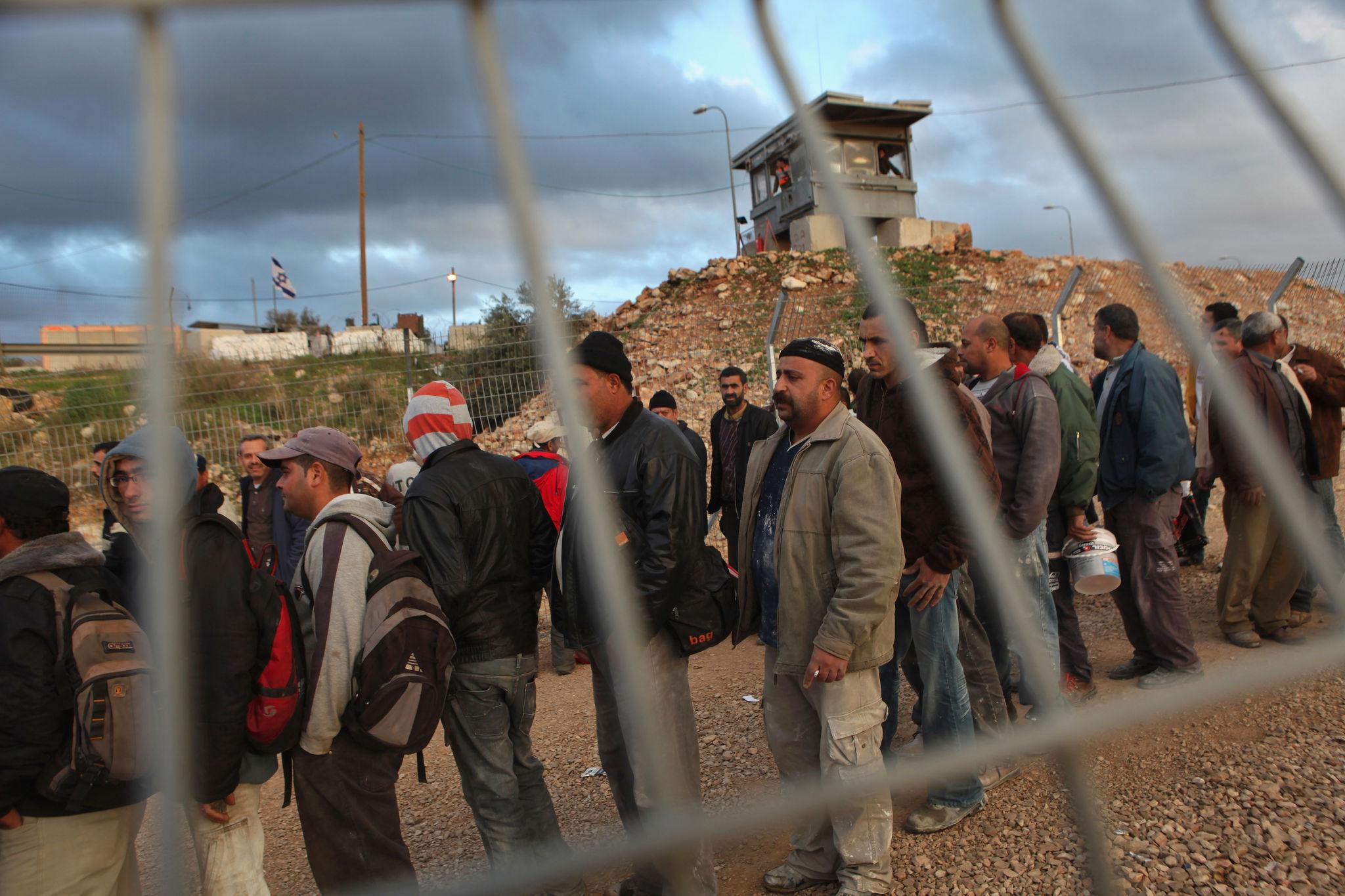
Checkpoints and closures after the Gaza war fragmented the West Bank into isolated economic islands. Transport costs soared, and access to markets became uncertain, undermining efficiency and growth.
Palestinian Workers
Tens of thousands of Palestinians lost jobs in Israel after October 2023. Families lost income, and Israeli sectors like construction and agriculture also suffered. This severed a vital income stream from Israel to Palestine.
Area C
Over half of the West Bank lies in Area C, rich in land and resources. Yet restrictions on building and investment block development. Long-term Palestinian growth is impossible without access to Area C.
Overall Picture
The report depicts an economy in sharp decline, with falling incomes, rising unemployment, and expanding poverty. Families face mounting pressures, businesses operate in high-risk environments, municipalities struggle to provide services, and the PA faces a deep financial crisis.
Recommendations
The report calls for resuming clearance transfers, stabilizing banking relations, easing movement restrictions, and allowing workers back into Israel. Yet it stresses that these steps will not solve the structural dependency. Palestinians must reduce reliance on Israel in trade, finance, currency, and revenue collection, alongside internal reforms to improve governance.
Conclusion
The report warns that the current trajectory means not just stagnation but deeper collapse. As the Palestinian economy weakens, social and political instability grows. Understanding the economy is key to understanding the future of the West Bank and the broader Israeli-Palestinian conflict.
No comments yet. Be the first to share your thoughts.