
War of Minds
According to the New York Times, Ukraine has become a pioneer in drone warfare but is now focusing on influencing Russian public opinion.
Activist Maria Berlinska founded Victory Neurons, bringing together experts in strategic communication and cyberwarfare.
She argues: “Wars don’t begin or end in trenches, but in people’s minds.”
Ukraine’s Defense Minister Mykhailo Fedorov admits Russia still leads in information warfare, even as Ukraine closes the gap in drones and electronic warfare.
Fueling the War
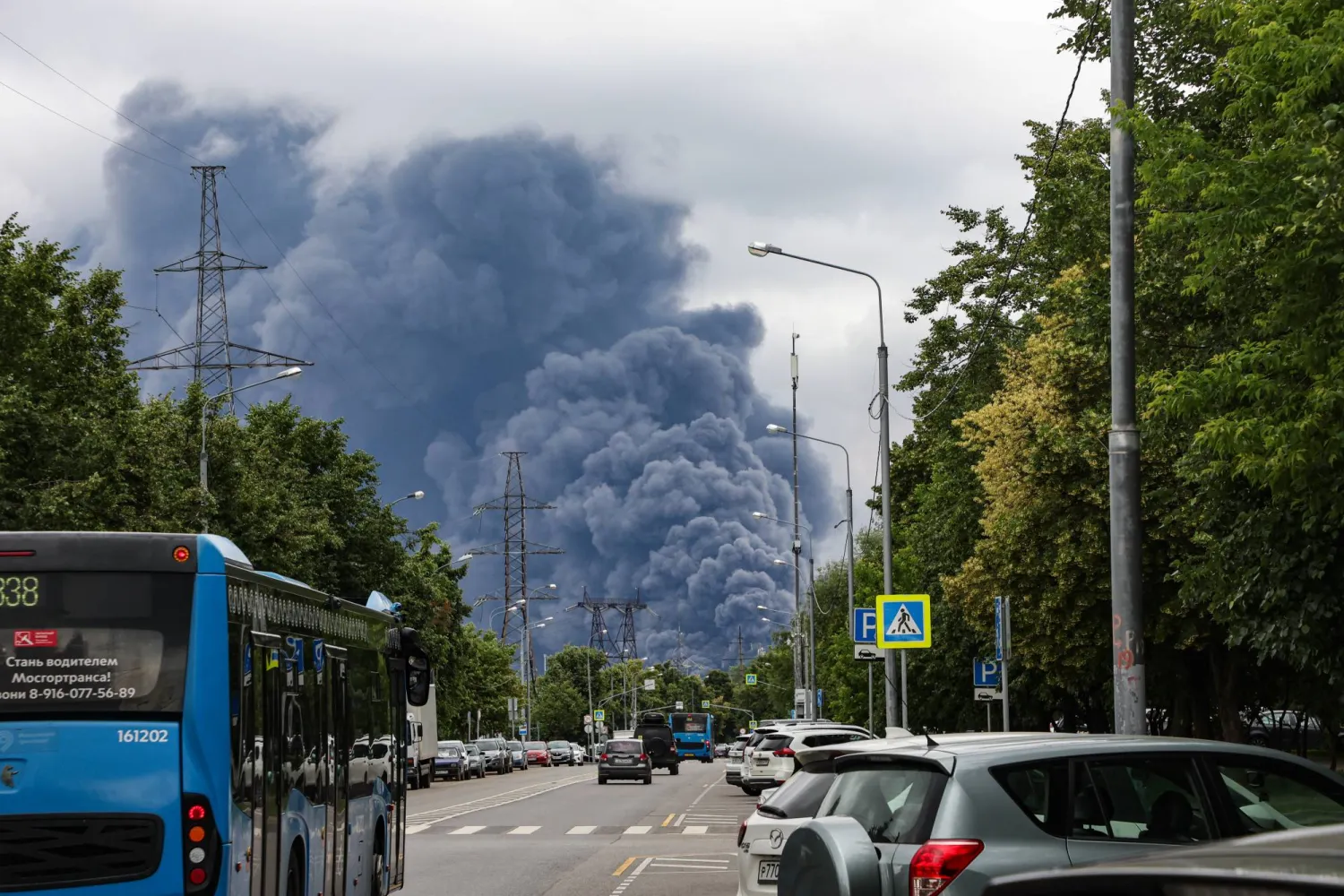
The Stratfor Center notes that Ukrainian strikes on Russian refineries and storage facilities are weakening Moscow’s refining capacity.
The International Energy Agency has downgraded Russia’s oil production forecasts for 2026–2027.
Russia has imposed temporary bans on diesel and aviation fuel exports to address domestic shortages.
Yet, analysts caution these disruptions alone may not force the Kremlin to scale back its war.
Poisoned Ceasefire
Foreign Affairs warns that any ceasefire could be exploited by President Putin as a tactical pause.
Past Minsk agreements (2014–2015) allowed Russia to consolidate gains before launching the full invasion in 2022.
A limited ceasefire might deepen divisions between Europe and the U.S., while giving Moscow time to destabilize Ukraine politically.
Internal Battles in Kyiv
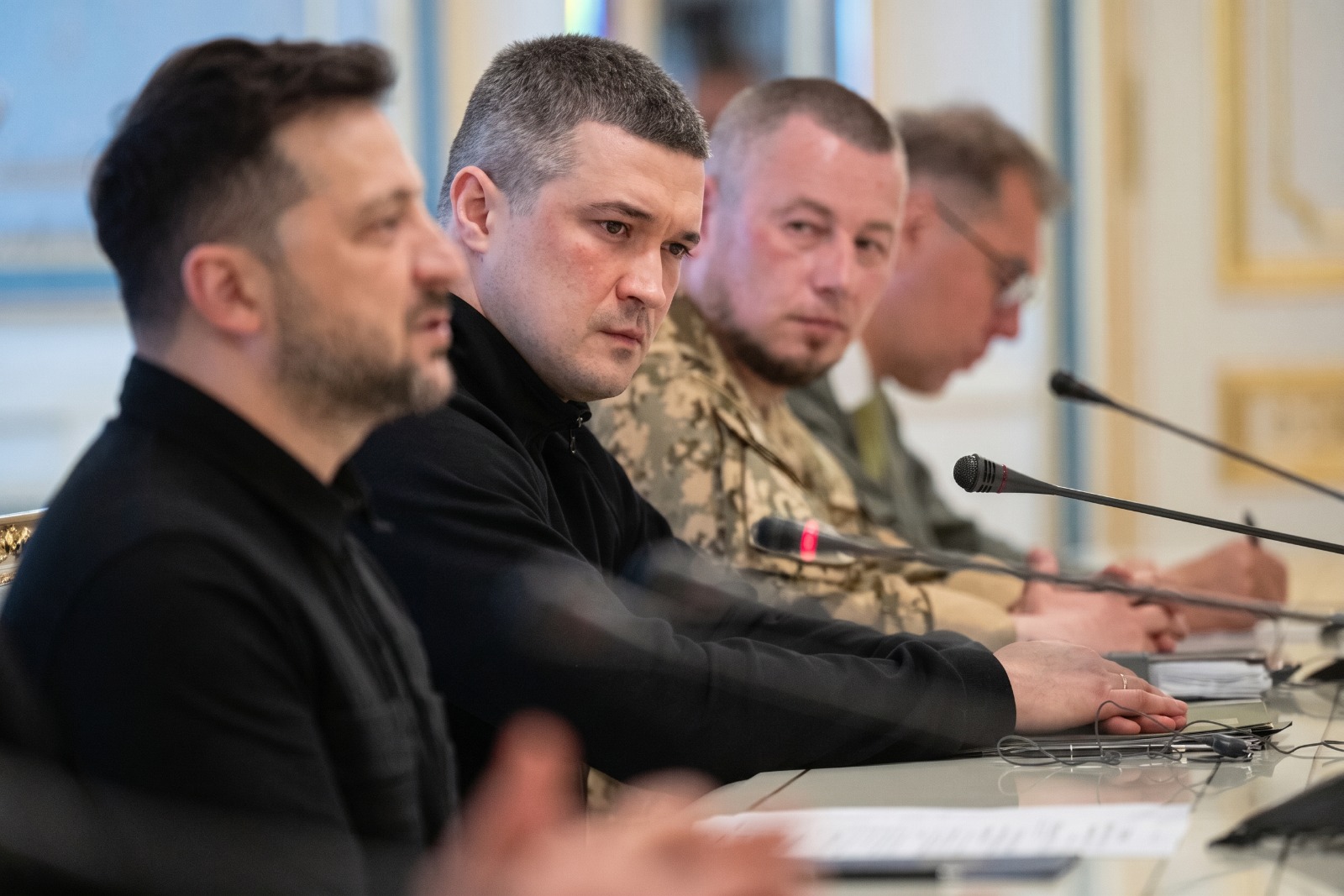
The Economist highlights Defense Minister Fedorov’s reforms: digitizing procurement, cutting costs, raising frontline salaries, and introducing fixed-term contracts.
Supporters see him as a tech-driven reformer; critics argue his lack of military experience risks turning war management into a numbers game.
His push for transparency reduced artillery shell costs by 16%, but generals worry about misplaced priorities.
Generation of War
The Times reports on Nikita Malyshev, the youngest known Russian soldier killed in Ukraine at 18.
His story reflects a broader campaign to recruit students, with poorer regions like Buryatia bearing disproportionate losses.
Analysts warn that a generation raised under war propaganda is being drawn into the battlefield before adulthood.
Conclusion Ukraine’s war illustrates the new face of conflict:
Psychological warfare targeting public opinion.
Economic strikes on energy infrastructure.
Ceasefires as tactical tools rather than peace.
Military reforms driven by technology.
Youth conscription shaping a generation of war.
This conflict is not confined to Ukraine’s borders—it offers a preview of how wars in the 21st century may unfold globally.
No comments yet. Be the first to share your thoughts.