
The head of the World Tourism Forum Institute, Bulut Bağcı, says the war in Iran has simultaneously acted as a shock to the regional and global tourism sector and a transformative factor reshaping the travel and tourism industry for both travelers and airlines.
Bağcı emphasized in an interview with Al Jazeera Net that countries capable of offering security, facilitating visa procedures, providing strong airports, and ensuring political stability will be the ones to attract more tourists in the future.
He noted that under a short-term war scenario, the region could lose around 23 million visitors and nearly $34 billion in tourism spending.
He also pointed out that tourist behavior is rapidly changing, with travelers now prioritizing flexibility, safety, and meaningful value-driven experiences.
The World Tourism Forum Institute, chaired by Bulut Bağcı, is an international organization and research center in the tourism sector based in London. It focuses on driving economic growth through sustainable and innovative tourism solutions, while also organizing major international events such as the World Tourism Forum and providing consultancy for countries with untapped tourism potential, particularly in Asia and Africa.
Is the Iran war redrawing the global tourism map? How?
Yes, the war is changing the face of global tourism. However, tourism does not stop during conflicts; people continue to travel, but they change destinations, airlines, and sometimes even their entire holiday patterns.
The war has placed significant pressure on the Middle East region, Gulf airspaces, and regional airports.
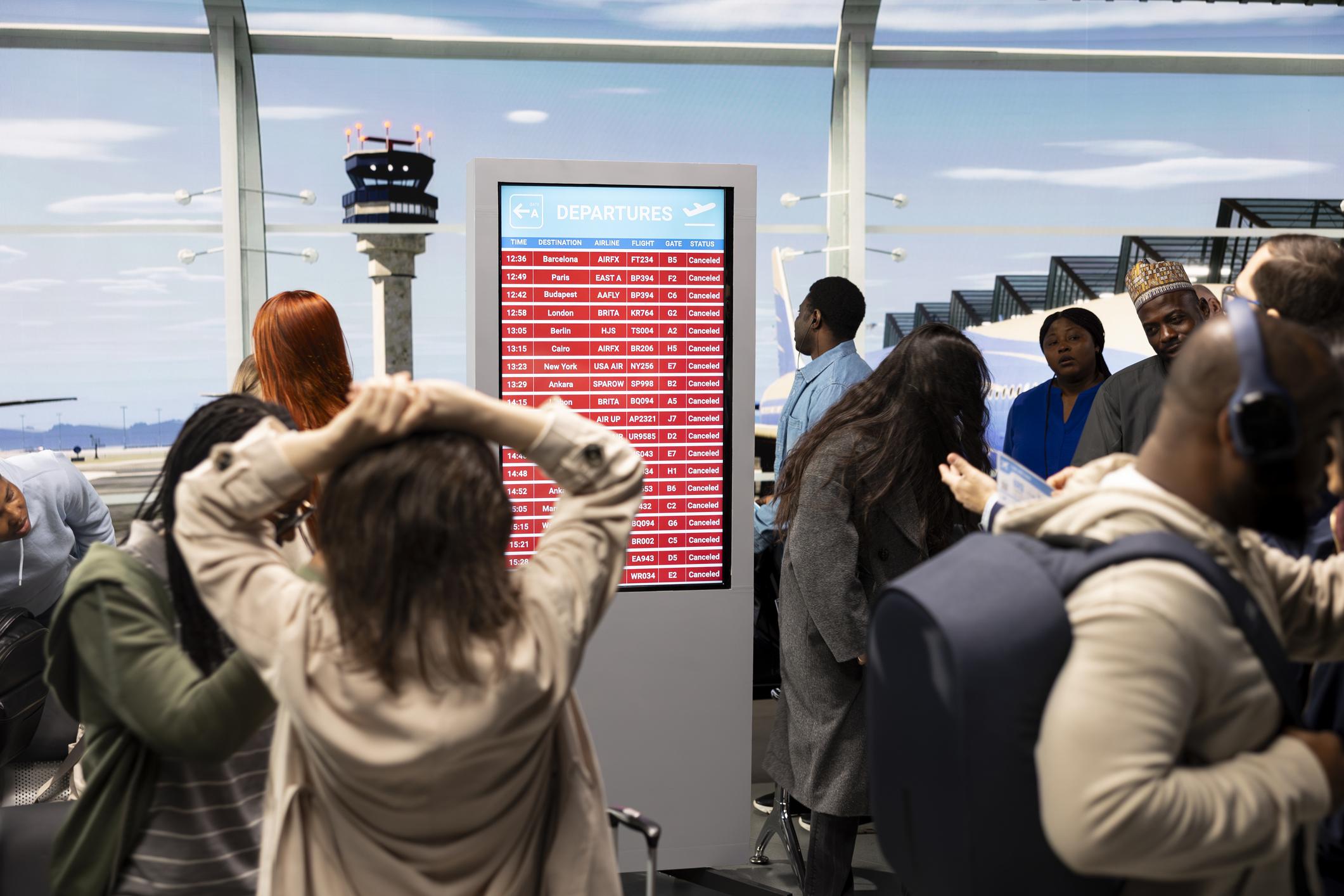
According to the International Air Transport Association (IATA), after the outbreak of the war on 28 February 2026, around 73% of flight capacity to and from the region was cancelled within just ten days.
This impact goes beyond a single country, extending to airlines, airports, hotels, travel insurance, ticket prices, investments, and the overall perception of destinations. As a result, the crisis cannot be viewed as purely regional; it affects global tourism activity as a whole.
Are we facing a structural shift in tourism or a temporary shock?
Both. In the short term, the crisis is clearly a shock: travelers postpone trips, airlines reroute flights, travel agencies adjust packages, and investors become more cautious.
However, if the conflict continues, it may lead to long-term structural changes. Tourism is no longer just about beaches, hotels, and attractions; security, political stability, and strong air connectivity have become essential parts of the tourism product itself.
Countries that can provide safety, simplify visa processes, maintain strong airports, and ensure political stability will be the ones attracting more tourists in the future.
Affected and beneficiary destinations
Countries close to the conflict zone are the most affected. Iraq, Jordan, Lebanon, and parts of the Eastern Mediterranean have faced challenges due to perceptions of high regional risk. Gulf countries have also been affected because many international flights pass through their airspace.
On the other hand, some countries may benefit by becoming perceived as safer alternatives, including Turkey, Greece, Spain, Italy, Egypt, Morocco, the Maldives, Thailand, Indonesia, and several Central Asian countries.

Forecasts on tourism impact
Current estimates indicate significant regional damage. Tourism Economics projects that inbound tourist arrivals to the Middle East in 2026 could decline by 11% to 27%, depending on the duration of the conflict.
In a short-term conflict scenario, the region could lose about 23 million visitors and nearly $34 billion in tourism spending.
Other studies predict even larger losses, with declines of up to 28 million visitors and around $40 billion in tourism revenue.
Globally, however, demand is not expected to collapse. People will continue traveling, but destinations will shift. The Middle East may temporarily lose market share, while safer destinations in Europe, Asia, and island countries could see increased demand.
Arab and regional beneficiaries
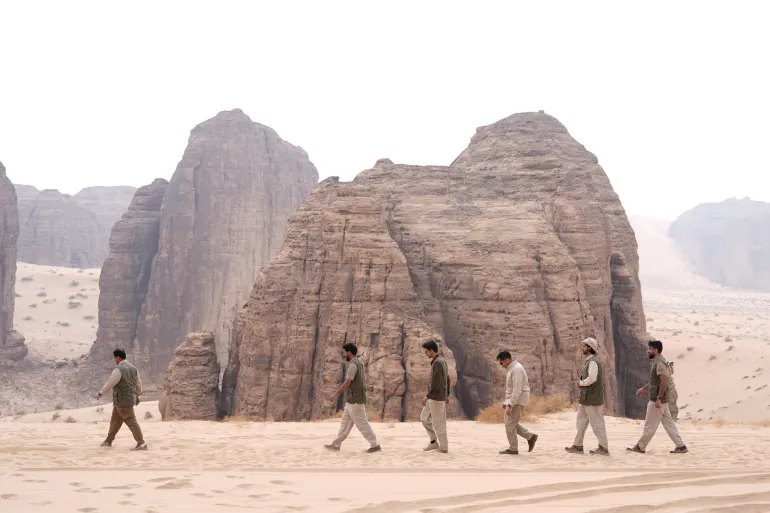
Some destinations may attract more tourists due to being perceived as safer and farther from conflict zones. These include Morocco, Red Sea resorts in Egypt, Oman, and certain destinations in Saudi Arabia.
However, Gulf countries face a more complex situation. Despite strong global brands and modern infrastructure in Dubai, Abu Dhabi, Doha, and Riyadh, their aviation systems depend heavily on stable airspace conditions.
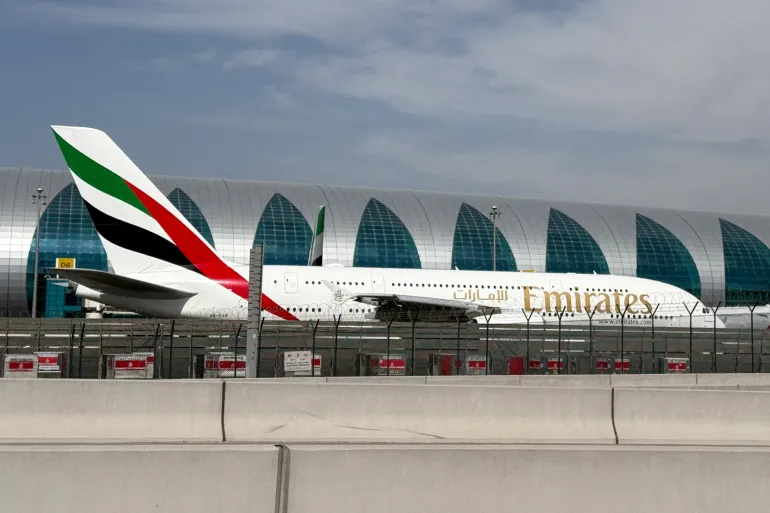
Dubai is a clear example. Reuters reported that restrictions on UAE airspace were later lifted and flight operations began returning to normal. Still, Dubai International Airport handled 18.6 million passengers in Q1 2026, compared to 23.4 million during the same period in 2025.
The position of Gulf countries
The greatest impact is clearly visible in aviation. Gulf countries are not only tourism destinations but major global aviation hubs, so disruptions in airspace create wide-ranging consequences.
As noted, passenger traffic at Dubai Airport fell from 23.4 million to 18.6 million in Q1 2026. IATA also reported that most regional flight capacity was cancelled in the early days of the war.
This affects not only hotels but also cargo, business tourism, events, transit tourism, and investment activity.
Protecting Gulf brands and image
Gulf countries have heavily invested in building their brands, airports, tourism infrastructure, events, and international marketing. The main challenge now lies in global perception. If travelers perceive the entire region as unsafe, this perception affects them even if specific cities remain safe.
Therefore, communication strategies are crucial. Gulf states must continue demonstrating safety, stability, and crisis management capability. Qatar and Dubai stand out in brand strength, representing safety, luxury, global connectivity, and business confidence.
In tourism, building a strong global brand is the most difficult part of development. Trust, differentiation, and emotional connection with travelers can take decades to build. While infrastructure may take a few years, tourism identity requires long-term consistency and global visibility.
The UAE, Qatar, and Saudi Arabia have already reached this level; they are no longer emerging destinations but globally recognized brands.
Thanks to this strong positioning, they are expected to recover and emerge even stronger after the crisis. In many cases, destinations with strong branding and effective crisis management can rebound faster and even strengthen their global image after periods of disruption.
Asia and Europe: winners and affected regions
Both Asia and Europe are simultaneously benefiting and being affected. Southern European countries such as Spain, Italy, Greece, Portugal, and Turkey may receive more tourists due to good weather, strong air networks, and cultural experiences.
Turkey has a special advantage as it connects Europe, Asia, and the Middle East through Istanbul’s aviation network.

Asian countries such as Thailand, Indonesia, Malaysia, Vietnam, Sri Lanka, and the Maldives may also benefit. However, Asia faces challenges including higher ticket prices, longer flight times, and reduced airline capacity.
Still, this shift is likely temporary. Strong Gulf destinations such as the UAE and Qatar have high resilience and are expected to recover quickly and regain momentum, possibly emerging even stronger in the short term.
However, rising travel costs and aviation restrictions remain major obstacles.
Impact on airfares and global tourism supply chains
The war affects tourism mainly through disrupted flights, fluctuating fuel prices, and rising insurance costs.
When airlines avoid certain airspaces, flights become longer. Longer flights mean higher fuel consumption, additional crew hours, and increased operational costs. These extra costs are directly reflected in higher ticket prices.
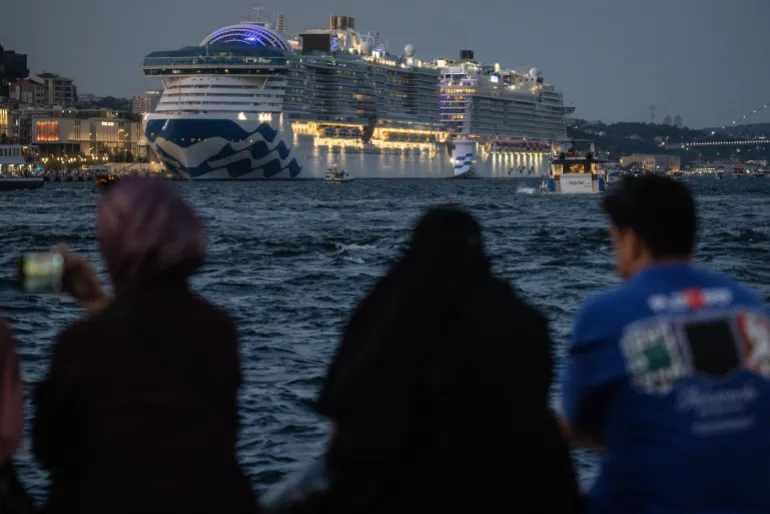
The conflict also impacts tourism supply chains: hotels depend on airline flows, conferences rely on international travel, cruise companies depend on port stability, and tour operators depend on reliable travel routes.
In tourism, aviation is not just a supporting factor—it is the backbone of the entire industry.
Spirit Airlines bankruptcy and industry risks
The bankruptcy of Spirit Airlines highlights the risks facing the aviation sector, especially low-cost carriers.
The company exited Chapter 11 restructuring in March 2025 after reducing debt and securing new financing, but recent reports suggest its operational halt was due to its inability to find a sustainable solution.
This confirms that airlines with high debt levels, weak financial liquidity, and strong exposure to fuel price volatility become highly vulnerable during geopolitical crises.
For tourism, the bigger risk is not only airline bankruptcies but the reduction in flight capacity. When airlines cut routes, access to destinations becomes more difficult, negatively affecting hotels, restaurants, events, and tourism investment. Air connectivity is essentially economic infrastructure.
Tourism investment outlook
Tourism investment will continue, but investors will become more selective and cautious. They will ask key questions: Is the country politically stable? Are its airports reliable? Is its infrastructure strong? Can it protect and manage tourists during crises? Does the government actively support tourism?
As a result, future tourism investment will focus more on resilient destinations, multi-use resorts, aviation-linked projects, wellness and medical tourism, cultural zones, and public-private partnerships.
Changing tourist behavior
Tourist behavior is changing rapidly. Travelers now prioritize flexibility, safety, and meaningful value-based experiences. They book trips closer to departure dates, assess risks more carefully, and prefer destinations with strong health, security, and transport systems.
Experience-based tourism is growing, including wellness tourism, eco and nature travel, culinary tourism, luxury resorts, medical tourism, and authentic cultural experiences.
In contrast, traditional mass tourism based on low-cost travel and large crowds is declining.
The future belongs to destinations that can simultaneously offer safety, authentic experiences, strong infrastructure, and investor confidence.
Tourism is entering a new geopolitical era, and countries that treat it as a strategic national industry will be the most resilient and successful in the future.
No comments yet. Be the first to share your thoughts.