
Argentina’s victory over Cape Verde was not enough to close the chapter on mistakes; instead, it opened the door to a comprehensive review inside the world champions’ camp. Coach Lionel Scaloni, away from the spotlight, preferred to analyze what happened against a rival that posed significant challenges despite limited resources compared to Argentina.
After moving from anxiety during the match to joy at qualification, the coaching staff began evaluating performance away from celebrations, convinced that any decline in the knockout stages could mean the end of the journey. This drove Scaloni to focus on fixing weaknesses without overanalyzing.
Messi acknowledges flaws
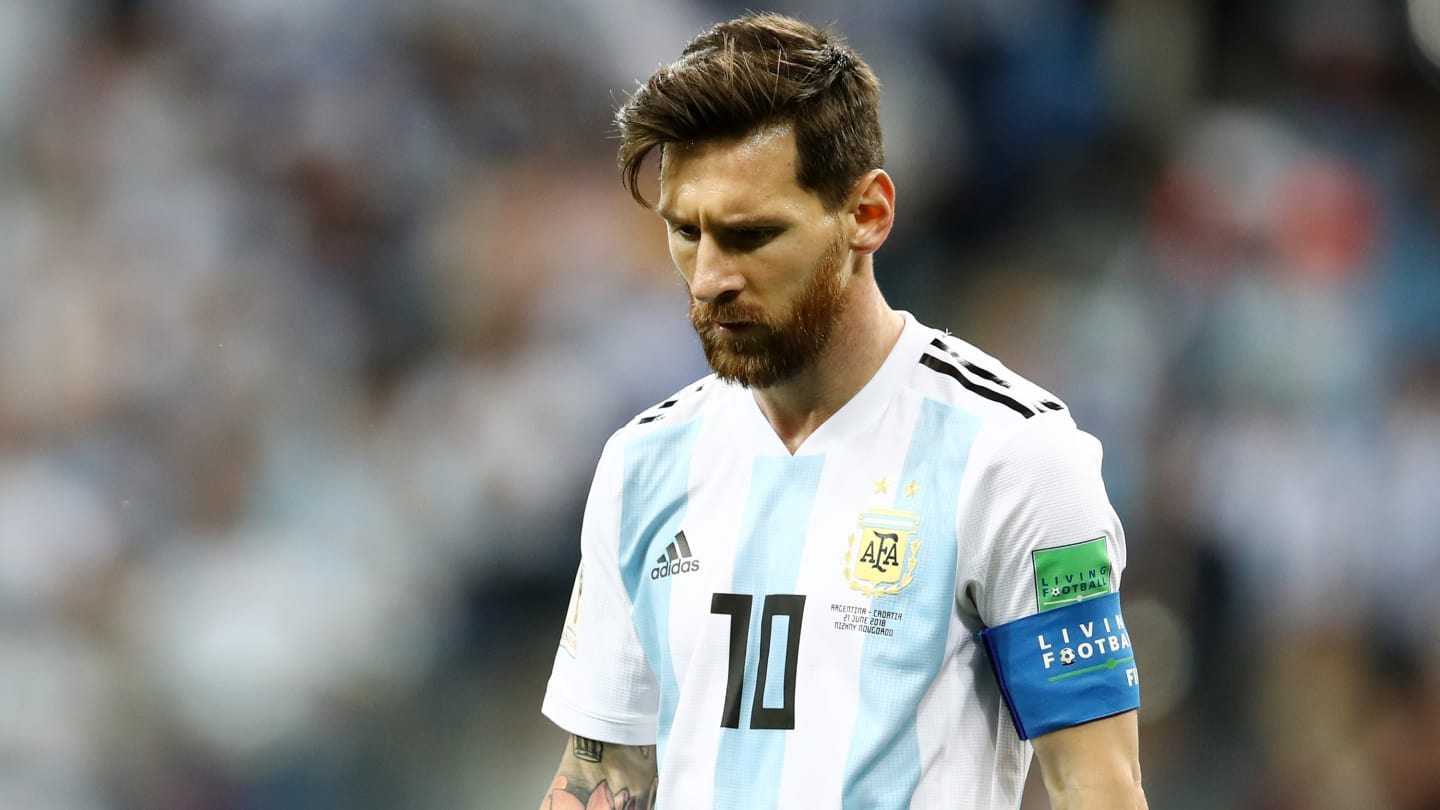
Captain Lionel Messi did not hide the reality, stressing that Cape Verde was a tough opponent despite perceptions that might underestimate them. He noted that the next stage requires full concentration, learning from positives while correcting clear negatives.
Although Scaloni has built a team not fully dependent on Messi over recent years, this tournament has revived that reliance, with the captain playing a decisive role in securing results. One of the staff’s key achievements was distributing responsibilities across the squad, but the latest performance revealed that attacking solutions are heavily tied to Messi, raising concerns before upcoming matches.
Scaloni begins corrections
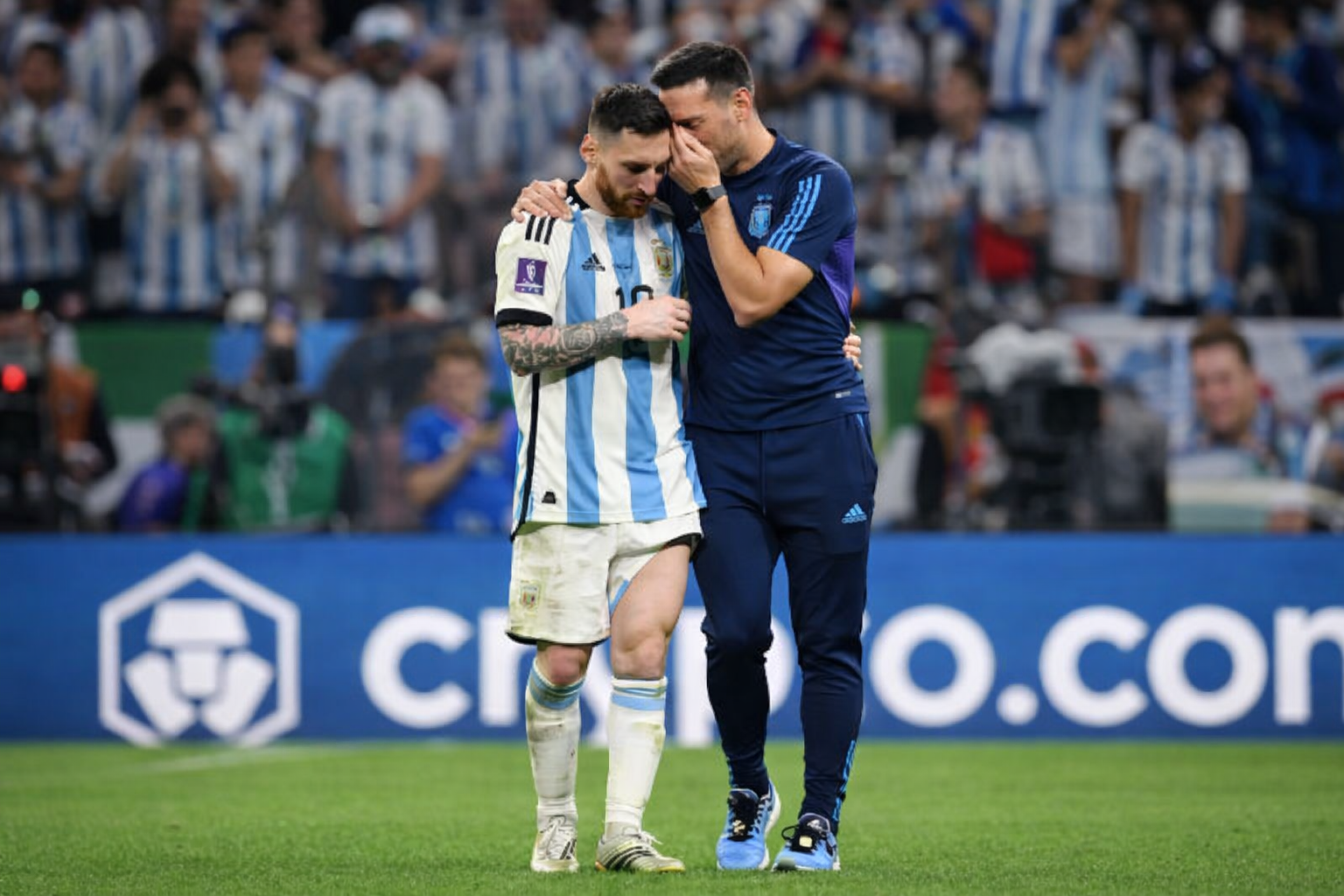
After the match, Scaloni confirmed he would discuss weaknesses with players inside camp, while publicly highlighting positives. He admitted the team faced setbacks at crucial moments but praised their resilience in chasing victory and regaining focus. Though he avoided detailing errors to the media, closed meetings have already begun to review tactical notes ahead of the next round.
Technical evaluation showed Argentina lacked some of the traits that defined success in recent years, notably collective pressing to recover possession and balanced role distribution without over-reliance on one player. The staff also observed reduced team cohesion, making it harder to impose their usual style.
Midfield searching for stability
Midfield has been the most criticized area in this tournament due to inconsistent performances. Rodrigo De Paul impressed against Algeria, Enzo Fernández shone versus Austria, while Alexis Mac Allister has yet to regain his known form. Thiago Almada, debated between midfield and attack, has struggled to fully integrate, leaving most offensive efforts reliant on Messi’s individual brilliance.
Slow tempo reduces threat
Another key observation was the lack of variety in tempo. Argentina relies on long spells of possession to draw opponents out and create space, a strategy Scaloni has favored since taking charge. But when possession fails to generate real chances, especially against organized and physically strong teams, it becomes a burden rather than a weapon.
More diverse attacking options
Problems extend beyond midfield to the absence of players exploiting spaces between lines or long passes. Messi alone adapted, capitalizing on De Paul’s decisive pass in the opener and Lisandro Martínez’s ball that led to the winning goal in the Round of 32. The staff believes full-backs must contribute more offensively, while forwards—Almada, Lautaro Martínez, Julián Álvarez, or Nicolás González—need to break defenses through dribbling or physicality to avoid predictability.
Facing Egypt requires different calculations
The staff knows the Round of 16 clash with Egypt will be very different from Cape Verde. Egypt, led by Mohamed Salah, relies more on skill and advanced play rather than sheer physical strength, demanding a tactical adjustment from Argentina.
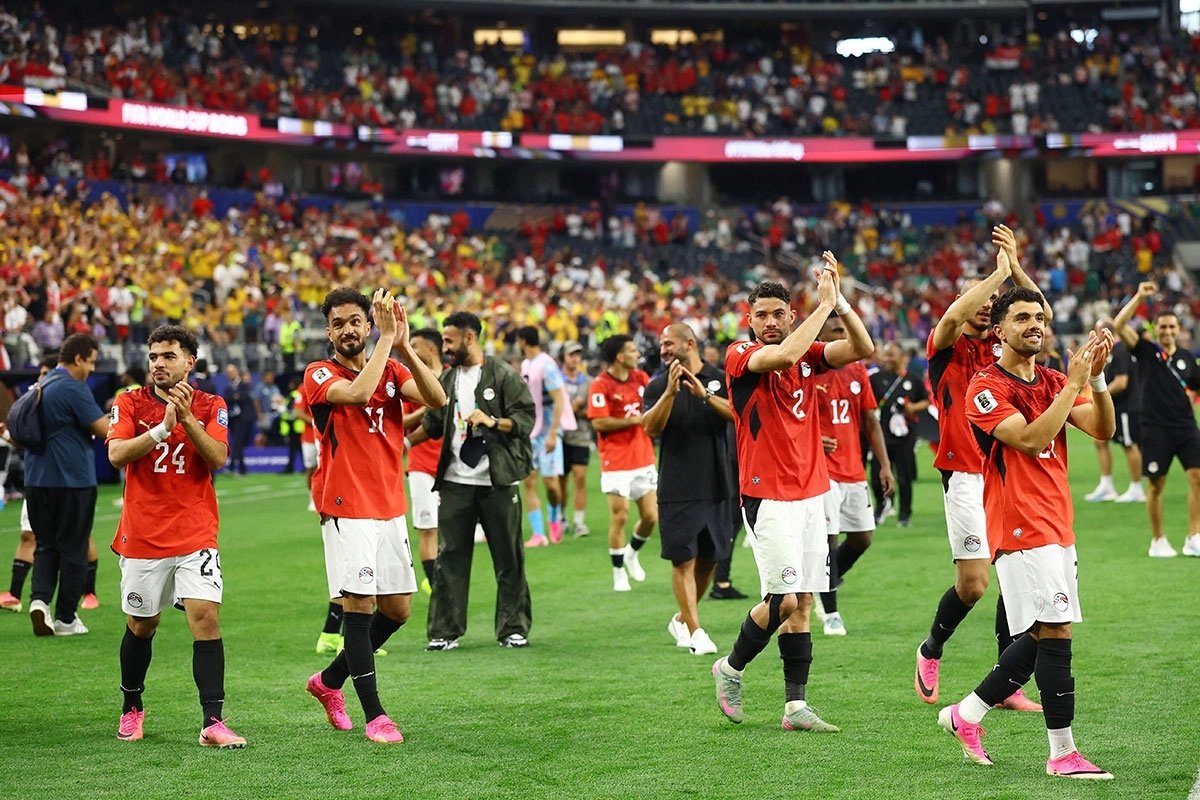
While Argentina enters as favorites, Egypt has the motivation to attempt an upset and continue its run. Despite technical concerns, Argentina continues to show exceptional character in tough moments. The team has repeatedly risen after setbacks, from Mexico in the World Cup, to the battle with the Netherlands, the final against France, and the Copa América 2024 clash with Ecuador.
These experiences prove Argentina’s strength lies not only in individual talent but also in mental resilience, enabling them to handle pressure and overcome the toughest circumstances.
No comments yet. Be the first to share your thoughts.