After Seizing 60% of Gaza: Is Israel Preparing to Swallow the Rest?
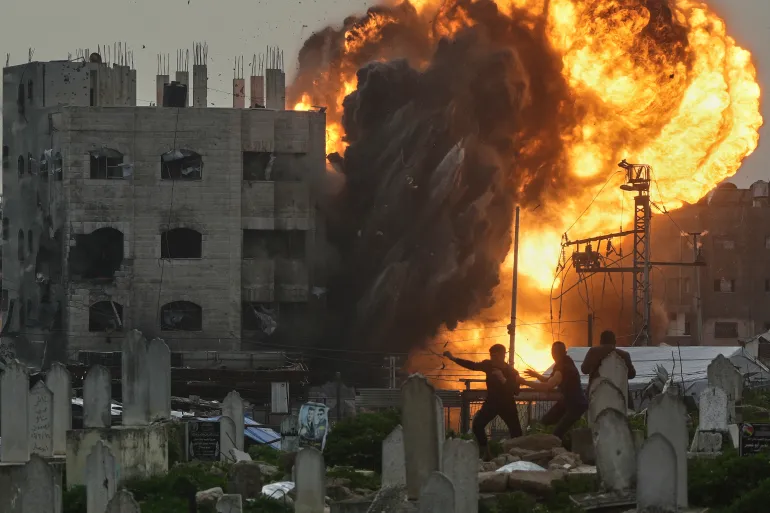
Israel’s daily bombardments and demolitions have left nearly 900 Palestinians dead since the latest ceasefire, raising fears that its control over 60% of Gaza may expand to the entire strip.
The humanitarian catastrophe in Gaza continues, with relentless Israeli strikes targeting displacement camps and worsening shortages of medicine. With 60% of the enclave under Israeli control, questions arise about the strategic goals behind this escalation.
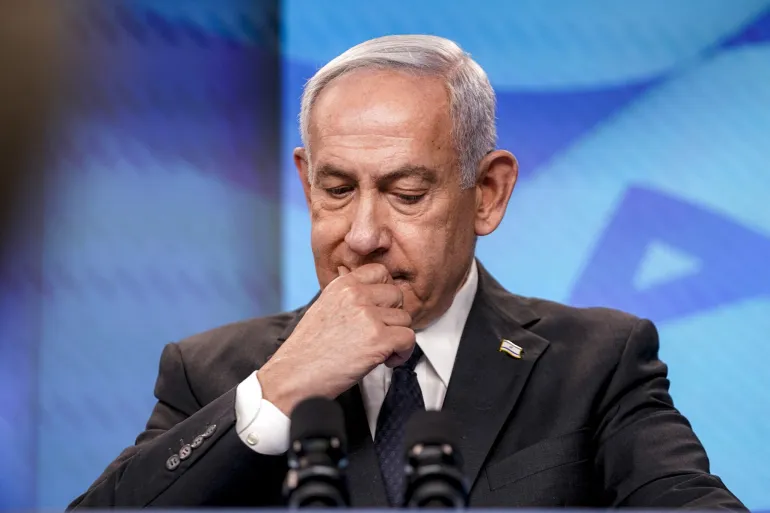
Israeli affairs expert Muhannad Mustafa argues that Israel aims to occupy the entire strip, exploiting Gaza as the “easiest and original front.” He notes Prime Minister Benjamin Netanyahu is stalling key ceasefire provisions, including the entry of a national committee to manage Gaza, humanitarian aid, and reconstruction. Netanyahu’s political survival is at stake ahead of September elections, and failure in Gaza could prove disastrous.
Conversely, strategic analyst Kenneth Katzman contends that Israel and the U.S. seek not full occupation but the destruction of Hamas’s military wing. He suggests that the “Peace Council,” led by Bulgarian diplomat Nikolay Mladenov, will eventually oversee Gaza’s administration with international forces.
Political writer Eyad al-Qara dismisses the Israeli-American narrative on disarmament as propaganda. He stresses that Hamas showed flexibility in Cairo talks, willing to address weapons through an administrative committee, but insists surrendering arms without guarantees would invite further massacres. He accuses Netanyahu of exploiting Washington’s focus on Iran to wage a “mini-war” through assassinations, aid restrictions, and forced evacuations.
The trajectory of escalation remains uncertain. Mustafa highlights U.S. President Donald Trump’s stance as a key barrier to a full invasion, noting global fatigue with mass atrocities against Gaza’s 2.2 million residents. Israel’s military is also overstretched in South Lebanon and the West Bank, with reserve forces under strain.
Al-Qara concludes that Netanyahu will fail again. Despite controlling 60% of Gaza, Israel has not crushed resistance after two and a half years of war that killed 70,000 Palestinians. He points to shifting international dynamics, with European states like Britain and Italy reconsidering their support and weighing measures against Israel.

No comments yet. Be the first to share your thoughts.