
With the renewal of America’s Independence Day, citizens retell a familiar story of how their nation broke free from Britain. Yet documents in the British archives reveal a more complex reality than the simplified narrative of a united people rising against a mad king.
Myth One: The Declaration as a List of Facts
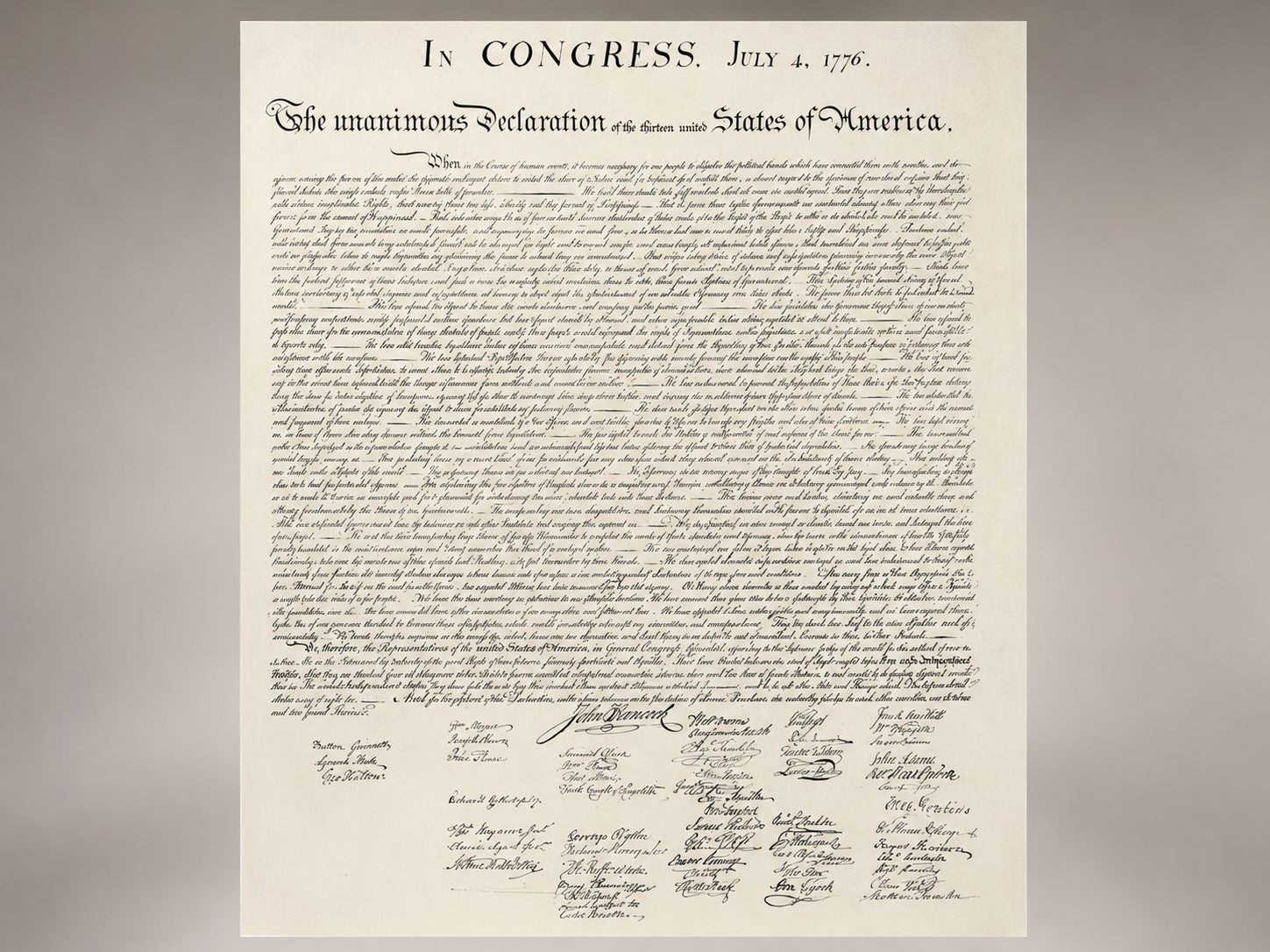
The Declaration of Independence accused King George III of numerous wrongs, presented as “facts to be submitted to a candid world.” Americans largely accepted these charges as proven truths. But historians note the document was crafted as propaganda, compressing disputes over taxes, trade, and sovereignty into a one-sided indictment of tyranny. Loyalists at the time dismissed it as “imaginary grievances.” Historian Robert Parkinson argues the 27 charges were engineered to portray George III as a “usurping ruler,” though many complaints targeted Parliament rather than the crown.
Myth Two: George III Was a Mad Tyrant
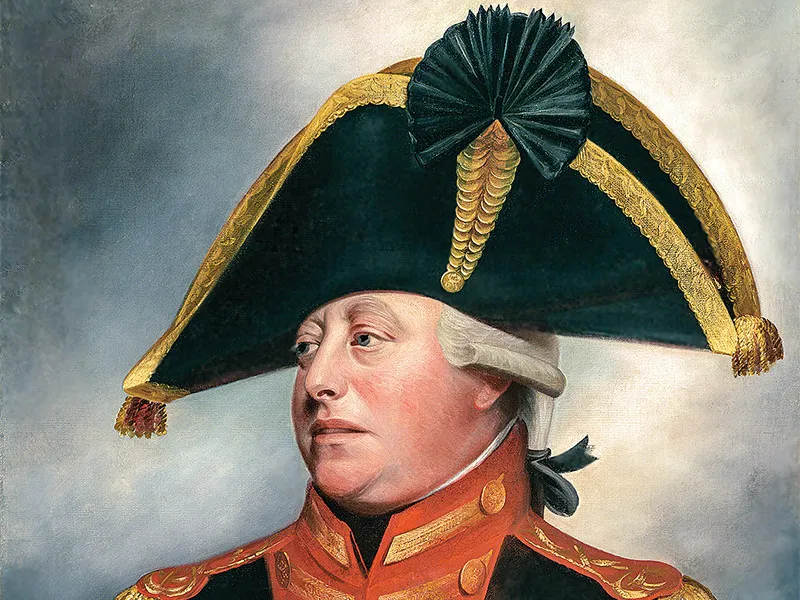
American memory often depicts George III as insane and cruel, reinforced by modern works like the musical Hamilton. Yet archival evidence shows a constitutional monarch deeply engaged in governance. In 1766, he even urged repeal of the Stamp Act, fearing it would widen the rift with America. By 1774, however, he insisted the colonies must “submit or triumph.” The Georgian Papers Project reveals a diligent king, invested in literature, science, and philosophy, far from the caricature of a deranged tyrant.
Myth Three: The Boston Massacre Happened as Painted
On March 5, 1770, five people died in Boston’s King Street. The iconic engraving by Paul Revere depicted British soldiers firing in formation at defenseless civilians, fueling outrage. Yet court testimonies conflicted, and Captain Thomas Preston was acquitted along with most of his men. Two soldiers were convicted only of manslaughter, defended by future president John Adams. The massacre’s enduring image was shaped more by art than by evidence.
Myth Four: Americans Always Wanted Independence
Independence was not inevitable nor universally desired in 1775. The Continental Congress even sent King George III the “Olive Branch Petition,” pleading for reconciliation. Signed by figures like John Adams, Jefferson, and Franklin, it described colonists as “loyal subjects.” The king refused to receive it, declaring the colonies in rebellion. Independence emerged as a last resort after failed reconciliation, not as the first choice of a united people.
Myth Five: The American People Were United Against Britain
The Revolution was also a civil war. In the South, neighbors fought neighbors, with raids, confiscations, and reprisals tearing communities apart. Patriots clashed with Loyalists, while enslaved people, Native Americans, and frontier settlers aligned based on their own interests. The myth of a single people rising together obscures the divisions that fueled later conflicts, including America’s own Civil War.
As fireworks light the skies each July 4th, the familiar tale of independence is retold. Yet the British archives remind us that the true story is more complex—rooted in propaganda, division, and contested memories—than the idealized myth celebrated each year.
No comments yet. Be the first to share your thoughts.