
Forty-seven human rights and humanitarian organizations have accused the European Union and its member states of being complicit in serious human rights violations committed against refugees, asylum seekers, and migrants in Tunisia.
The organizations, including Human Rights Watch, called on the EU to publicly condemn the reported abuses and suspend funding for migration control activities that violate fundamental human rights.
In a joint statement, the groups said that the Memorandum of Understanding signed between the European Union and Tunisia on July 16, 2023, aimed at preventing irregular migrant and asylum seeker departures toward Europe, has fueled and normalized human rights violations and, in some cases, contributed to deaths.
They argued that continued migration cooperation makes the European Union "complicit" in abuses committed by Tunisian security forces.
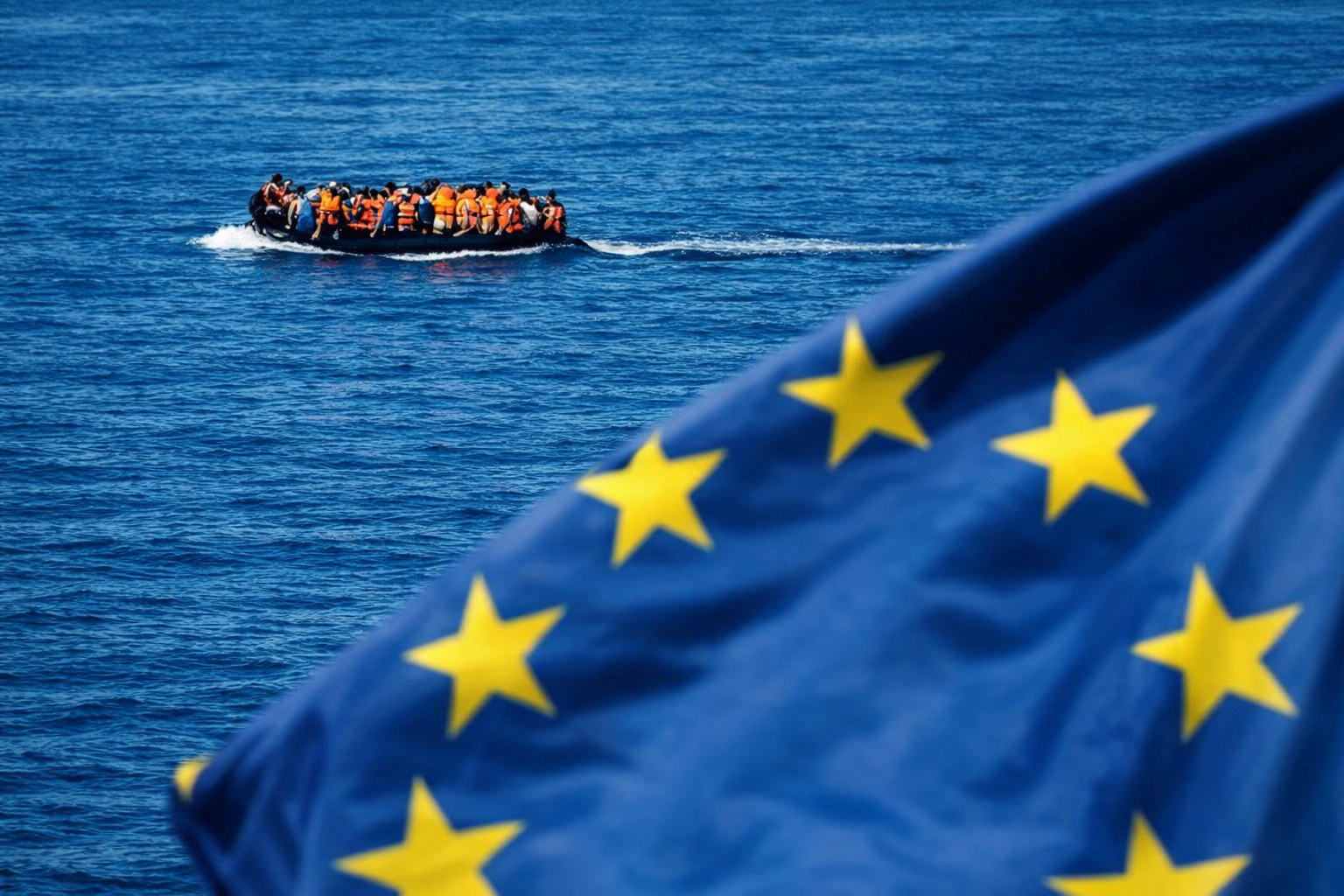
Under the migration component of the agreement, the European Union and its member states allocated €105 million (approximately $114 million) to support maritime interceptions and border surveillance operations.
According to the statement, at least €65 million (around $70.5 million) has already been contracted for training and equipping Tunisian institutions accused of violations, particularly the coast guard and the National Maritime Search and Rescue Coordination Center.
Allegations of Torture and Sexual Violence
Marie Michel, policy expert at SOS Humanity, said people rescued at sea had described "horrific experiences" involving torture, sexual violence, and racist abuse in Tunisia.
She alleged that the EU-backed Tunisian Coast Guard uses violence against people in distress at sea and forcibly returns them to a system where they face risks including deportation to desert areas or trafficking into Libya.
"Every euro provided to the security forces reinforces a system of abuse against people in need of protection," she said.
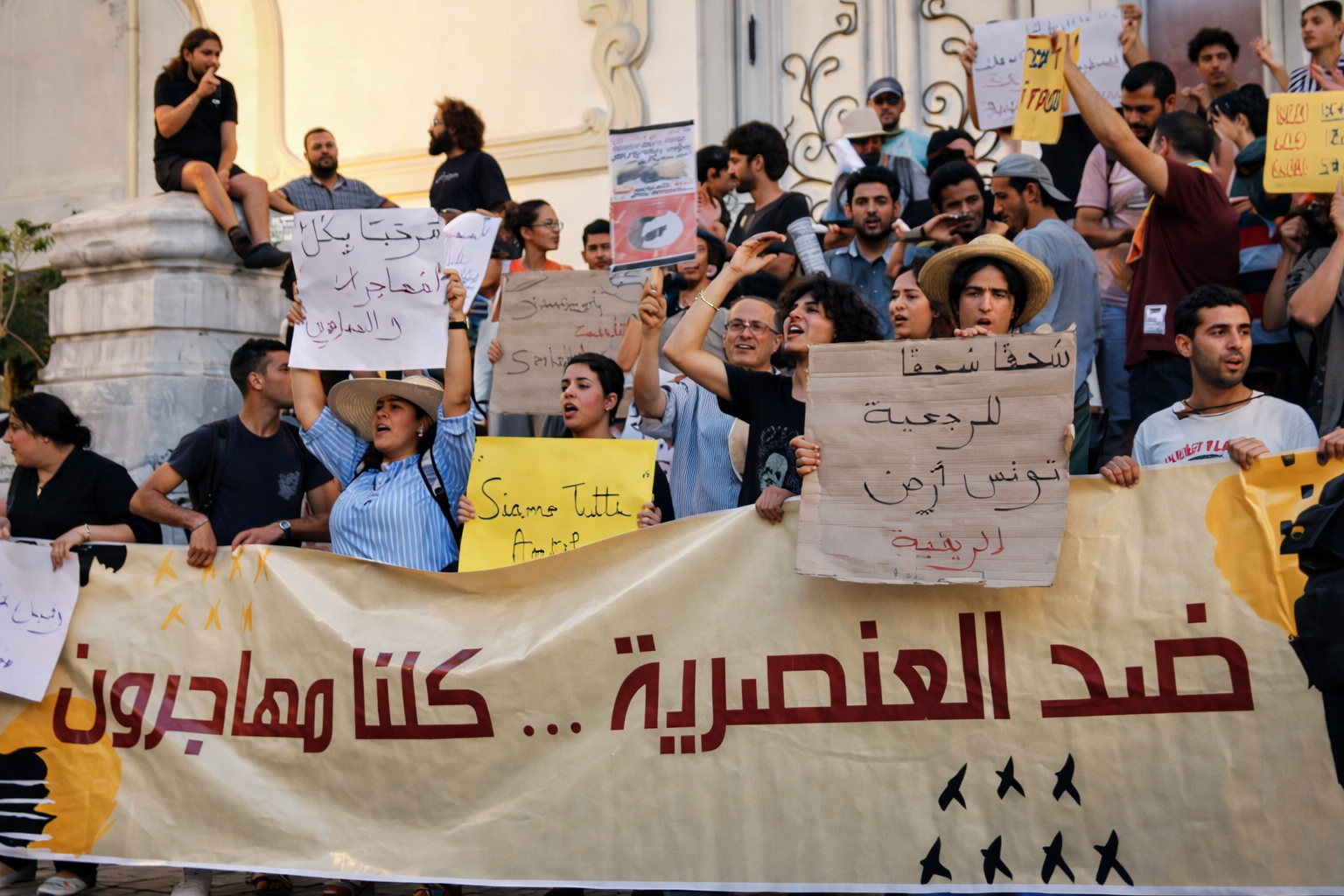
The organizations said Tunisian security forces have committed serious violations since the agreement was signed, including violent maritime interceptions, arbitrary detention, torture, ill-treatment, sexual violence, and collective expulsions to neighboring countries.
They also said these practices occur in an environment fueled by official racist rhetoric targeting Black Africans, while also affecting Tunisian citizens and civil society organizations providing humanitarian assistance.
The statement noted that asylum registration and refugee status determination activities carried out by the UN Refugee Agency have been suspended since June 2024, effectively eliminating access to asylum procedures in Tunisia.
It also alleged that state institutions receiving European funding, particularly the National Guard and police, have participated in the ongoing repression of political opposition and the criminalization of non-governmental organizations since President Kais Saied consolidated power in 2021.
The organizations criticized the European Union's February 2026 decision to add Tunisia to its list of "safe countries of origin," despite conclusions by UN experts and human rights organizations that Tunisia cannot be considered a "safe place" under international maritime law.
They warned that continued migration cooperation without effective safeguards risks strengthening and prolonging an increasingly authoritarian system of governance.
Frederikke Mager, EU advocacy coordinator at Human Rights Watch, said the European Union "cannot claim to defend human rights while deepening cooperation with authorities responsible for suppressing opposition and violating migrants' rights."
In a separate statement, Amnesty International also criticized the European Union's support for Tunisian border control operations, describing the assistance as lacking sufficient oversight and warning that it contributes to serious human rights violations against migrants, asylum seekers, and refugees.
The organization added that, given the dismantling of Tunisia's asylum system and the lack of access to protection procedures, the country cannot be regarded as a safe destination.
No comments yet. Be the first to share your thoughts.